
We are reader supported. When you purchase through links on our site, we may earn an affiliate commission. Also, as an Amazon affiliate, we earn from qualifying purchases.
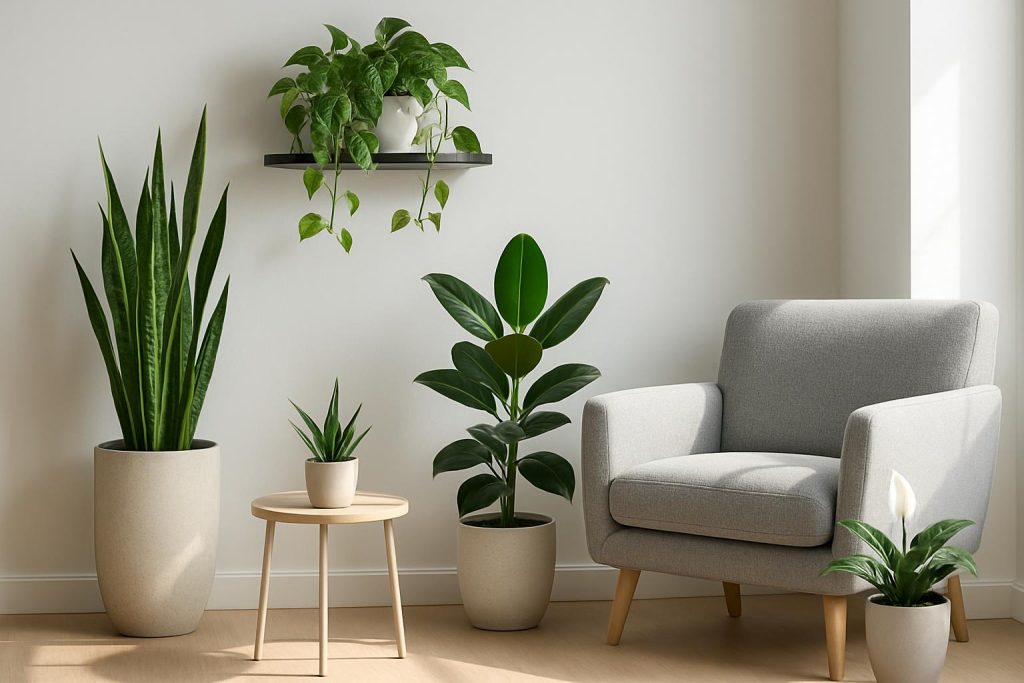
Indoor plants can change how your home feels, how you focus, and how you care for your space. The right plants are easy to keep alive, help your rooms look finished, and nudge you into a simple weekly routine that also makes the rest of your home cleaner. Start with one plant, get quick wins, and build a system that fits your light, your time, and your style.
Why indoor plants matter
Plants calm visual clutter and add a clear focal point. They soften hard lines, lift a dull corner, and make a room feel cared for. Many common plants thrive in average homes and help your air feel fresher by holding dust on their leaves and balancing dry indoor air around their canopy. You also gain a tidy weekly rhythm that improves your space. Water day leads to a five minute tidy, a quick wipe-down, and better habits.
How to pick your first plants
Match plant to light
Check light where you plan to place the plant. Bright indirect light means a bright room with no harsh sun on leaves. Low light means you can read comfortably but there is no strong sunbeam. East or north windows suit many plants. South and west windows give stronger light, which suits succulents and sun lovers if you diffuse it with a sheer curtain.
Match care to your schedule
If you forget to water, pick drought tolerant types. If you like a weekly check-in, choose plants that prefer evenly moist soil. Group plants with similar needs so routine is simple.
Use the right pot and mix
Always use a pot with a drainage hole. Add a saucer to protect furniture. Use a well-draining mix suited to your plant. For most tropicals, mix standard potting soil with perlite. For succulents like aloe, use a gritty mix with sand or cactus soil.
Start small and build up
Begin with one to three easy plants. Learn their light and water signals. Add more only after you have a routine that feels natural.
10 indoor plants that will transform your life
1. Snake Plant Sansevieria
Why it helps: It thrives on neglect and stands tall, which anchors a room without taking much floor space. It tolerates low light and uneven watering, so it reduces stress for beginners.
Light and placement: Low to bright indirect light. Avoid harsh midday sun on leaves. Corners, hallways, and bedrooms work well.
Water and care: Water every 2 to 4 weeks. Let soil dry fully between waterings. Use a well-draining mix. Overwatering is the only common failure.
Quick setup: Use a heavy pot to prevent tipping. Add a felt pad under the saucer to protect floors.
Cleaning tip: Wipe leaves monthly with a damp microfiber cloth to remove dust and keep the plant efficient.
2. Pothos Epipremnum aureum
Why it helps: It grows fast, trails nicely from shelves, and propagates easily in water. This creates quick wins and low-cost expansions across your home.
Light and placement: Low to bright indirect light. More light keeps variegation vivid. Ideal for bookshelves and cabinets.
Water and care: Water when the top 2 to 3 cm of soil are dry. Usually weekly in bright rooms, less in low light. Trim vines to shape and root cuttings in water.
Quick setup: Guide vines with small clear hooks along a wall or shelf edge to keep it tidy.
Cleaning tip: Rinse under a gentle shower every few weeks to remove dust from many leaves at once.
3. ZZ Plant Zamioculcas zamiifolia
Why it helps: It handles forgetful watering and poor light. Glossy leaves add a clean, modern look that pairs well with minimal decor.
Light and placement: Low to medium indirect light. Avoid hot sun. Works in offices and entryways.
Water and care: Water every 3 to 4 weeks. Let soil dry fully. Thick rhizomes store water, so go light on watering.
Quick setup: Choose a narrow tall pot to echo the upright growth and save floor space.
Cleaning tip: Use a soft brush to dust between leaflets where cloths do not reach.
4. Spider Plant Chlorophytum comosum
Why it helps: It produces baby plants that you can root and share, adding greenery across your home at no cost. It adapts well to changing homes and routines.
Light and placement: Bright indirect light for best growth. Good near east windows and in bright bathrooms.
Water and care: Keep soil slightly moist, watering when the top centimeter is dry. Flush the pot monthly to prevent salt buildup that causes brown tips.
Quick setup: Hang it near a window or set on a high shelf so the plantlets can cascade.
Cleaning tip: Mist lightly in dry seasons and wipe the arching leaves to remove dust.
5. Peace Lily Spathiphyllum
Why it helps: It gives a clear thirst signal by drooping, which teaches you timing. It also adds white blooms in brighter spots for a fresh, finished look.
Light and placement: Low to medium indirect light. More light means more blooms. Keep away from hot sun.
Water and care: Keep soil evenly moist. Water when the top 2 cm are dry or when leaves begin to soften. Use filtered water if your tap is hard, to reduce brown tips.
Quick setup: Use a deep saucer and water slowly so moisture spreads evenly.
Cleaning tip: Wipe large leaves weekly to keep them glossy and healthy.
6. Rubber Plant Ficus elastica
Why it helps: Large, bold leaves make a room feel structured. It grows into a small tree with simple care, acting as a natural statement piece.
Light and placement: Bright indirect light. A meter back from a sunny window is ideal. Rotate monthly for even growth.
Water and care: Water when the top 3 to 5 cm are dry. Avoid soggy soil. Stake young stems if leaning.
Quick setup: Use a breathable potting mix with extra perlite for drainage. Add a stable pot to prevent wobble.
Cleaning tip: Dust leaves weekly. A clean leaf surface improves photosynthesis and looks sharp.
7. Monstera deliciosa
Why it helps: Distinct split leaves create a focal point that lifts a tired corner. Training it on a support keeps growth vertical and space efficient.
Light and placement: Bright indirect light. Avoid harsh sun. Give room to grow up, not just out.
Water and care: Water when the top 3 to 5 cm are dry. Provide a moss pole or sturdy stake to guide growth upright.
Quick setup: Tie stems loosely to a pole with soft plant tape to avoid damage.
Cleaning tip: Wipe each lobe of the large leaves. A damp cloth with plain water is enough.
8. Aloe vera
Why it helps: It prefers bright light and little water, which suits sunny kitchens and busy lives. Its clean rosette form adds order to a windowsill.
Light and placement: Bright light to a few hours of gentle sun. A south or west window with a sheer curtain works.
Water and care: Water deeply then let soil dry fully for 2 to 4 weeks. Use a gritty cactus mix and a pot with large drainage holes.
Quick setup: Terra cotta pots help the mix dry fast and prevent root rot.
Cleaning tip: Use a soft dry brush to remove dust from the fleshy leaves.
9. Chinese Evergreen Aglaonema
Why it helps: It tolerates low light and delivers color and pattern that brighten dull rooms. It needs only moderate care.
Light and placement: Low to medium indirect light. Avoid direct sun that burns leaves.
Water and care: Water when the top 2 to 3 cm are dry. Wipe leaves to keep patterns clear.
Quick setup: Choose a pot that complements the leaf color to make it look styled with little effort.
Cleaning tip: Rinse in the shower on water day, then let it drip dry in the tub before returning it to its spot.
10. Parlor Palm Chamaedorea elegans
Why it helps: It brings a soft palm look in small spaces and handles average home conditions. It makes corners feel calm and complete.
Light and placement: Low to medium indirect light. Perfect for living rooms and bedrooms away from hot windows.
Water and care: Keep soil slightly moist, never soggy. Water when the top 2 cm are dry. Mist lightly in dry seasons.
Quick setup: Use a pebble tray to lift local humidity without wetting the soil.
Cleaning tip: Shake the fronds gently outside or in the shower to remove dust between leaflets.
A simple weekly plant care routine
Step 1: Walk and check
Take two minutes to look at each plant. Check soil with your finger. Dry means water. Slightly damp means wait. Note any pests, yellow leaves, or droop.
Step 2: Water by group
Group thirsty plants like peace lily and spider plant. Group drought tolerant plants like snake plant, ZZ plant, and aloe. Water slowly until a bit drains into the saucer. Empty saucers after 15 minutes.
Step 3: Rotate and tidy
Rotate pots a quarter turn for even growth. Trim dead leaves. Coil or clip vines for neat lines. Wipe stray splashes from shelves and floors.
Step 4: Dust leaves
Use a damp microfiber cloth. Support the leaf with one hand and wipe with the other. Clean plants collect less dust and look better.
Step 5: Monthly and seasonal tasks
Once a month, flush pots that get mineral buildup. In spring, repot rootbound plants into a pot 2 to 5 cm wider. In winter, reduce watering as growth slows.
Keep your home cleaner with plants
Protect surfaces
Always use saucers or trays. Add cork or felt under pots to prevent scratches and moisture rings. Choose lightweight waterproof trays for shelves.
Prevent mess
Use a watering can with a narrow spout for control. Place a towel under hanging plants on water day. Top dress with small pebbles if your soil splashes.
Manage humidity neatly
Use a pebble tray instead of daily misting for plants that prefer humidity. Fill a tray with pebbles, add water just below the top of the pebbles, and set the pot on top.
Keep pests out
Inspect new plants for pests before placing them with others. Quarantine new arrivals for two weeks if you can. Clean leaves regularly to reduce pest pressure.
Troubleshooting that saves plants
Overwatering
Signs include limp leaves, yellowing from the bottom up, and a musty smell. Action: Let soil dry fully, improve drainage with more perlite, and water less often.
Underwatering
Signs include crispy edges and dry soil pulling from the pot sides. Action: Water slowly and deeply, then check in a few days to confirm recovery.
Brown tips
Often from dry air or mineral buildup. Action: Use filtered water for sensitive plants like peace lily, flush soil monthly, and consider a pebble tray.
Pests
Look for sticky residue, webbing, or tiny moving dots. Action: Isolate the plant, wipe leaves with soapy water, rinse, and repeat weekly until clear.
Conclusion
Pick two or three plants from this list that match your light and time. Set them in spots you pass daily. Follow the simple weekly routine and keep surfaces protected. You will see cleaner shelves, calmer corners, and a home that stays organized with less effort. When your system feels steady, add one more plant and keep the rhythm going.
FAQ
Q: Which indoor plant is best for low light beginners
A: Snake Plant, ZZ Plant, and Pothos handle low to medium light and uneven watering, so they are ideal for low light beginners.
Q: How often should I water these plants
A: Water when the top 2 to 5 cm of soil are dry, which for most plants here ranges from weekly to every 3 to 4 weeks depending on light and plant type.
Q: How do I keep leaves dust free
A: Use a damp microfiber cloth and wipe each leaf while supporting it with your other hand, or rinse plants like pothos and aglaonema in the shower and let them drip dry.
Q: What is the simplest plant care routine I can follow each week
A: Walk and check soil, water by group, rotate and tidy, and dust leaves, with a monthly flush and seasonal repot as needed.
Q: How do I avoid overwatering
A: Always use pots with drainage holes, let soil dry between waterings, add perlite to improve drainage, and empty saucers after 15 minutes.