
We are reader supported. When you purchase through links on our site, we may earn an affiliate commission. Also, as an Amazon affiliate, we earn from qualifying purchases.
Dust mites thrive in warm, humid, fabric-heavy places and mattresses are their favorite home. If you wake up with a stuffy nose, itchy eyes, or morning sneezing, your mattress might be feeding the problem. The good news is you do not need a clinical overhaul. A smart mattress choice, paired with a simple cleaning routine, can lower dust-mite load and help you breathe easier. I will break down the key features that matter, then review four mattresses that balance hypoallergenic design with real comfort.
What Causes Dust Mite Symptoms In Bed
Dust mites feed on skin flakes and love humidity. They settle into mattress quilting, foam pores, and fabric seams. As their droppings build up, they trigger allergies. The goal is to reduce places where mites can live and cut humidity inside the sleep surface. Dense foams, latex, smooth tight-knit covers, and more airflow all help.
How To Choose A Hypoallergenic Mattress
Use these checkpoints to judge any mattress fast.
- Materials: Natural latex and dense foams leave fewer pockets for mites. Innersprings with thin, loose fiber padding can hold more dust unless well sealed.
- Cover: Look for a tight-knit, low-pile cover. Bonus if it is zippered and washable. If not, plan to add a full encasement.
- Airflow and humidity control: Breathable designs keep moisture down. Gel-infused foams, coil systems, and ventilated layers help.
- Certifications: CertiPUR-US foams reduce concern about certain chemicals and odors that can irritate sensitive noses.
- Firmness and support: Proper spinal alignment reduces tossing and turning, keeping bedding undisturbed and cleaner over time.
- Edge and motion: Good edge support and motion isolation improve comfort for partners and prevent sag zones that trap dust.
How I Evaluated Comfort And Cleanliness
I score mattresses on two fronts. First, allergy-friendly design, including fabric type, foam density, airflow, and ease of cleaning. Second, comfort basics: pressure relief, support, motion isolation, cooling, and edge stability. I also note setup odor and how quickly it clears. I think a mattress for allergies should still feel great night after night, so each pick balances both.
The 4 Best Mattresses For Dust Mite Allergy
1) Tuft and Needle Original Mattress
The Tuft and Needle Original is a simple, well-built foam mattress that avoids heavy quilting and loose fibers where dust collects. Its Adaptive foam is responsive rather than slow-sinking, which keeps airflow decent for an all-foam bed.
- Why it helps: Dense, uniform foams with a smooth knit cover leave fewer hiding spots for mites. Lower humidity inside the foam reduces mite growth over time.
- Feel and firmness: Medium-firm. Balanced cushion without that trapped-in-sand feel. Back and combo sleepers get reliable alignment.
- Materials and cover: Two-layer foam build with graphite and gel infusion to dissipate heat. Tight-knit, low-pile cover that does not snag lint easily.
- Cooling and airflow: Better than many budget memory foams due to the open-cell design plus cooling additives, though still not as airy as coils or grid designs.
- Motion isolation and edge support: Very good motion dampening for couples. Edge support is fair for an all-foam bed.
- Best for: Light to average-weight sleepers who want a clean, minimal design that keeps allergens in check without a deep sink.
- Potential downsides: Cover is not removable for machine washing. Initial off-gassing can be noticeable on day one but clears as the room airs out.
- My take: I think this is the most no-drama foam build for allergy-conscious shoppers who prefer medium-firm support. Add a quality encasement and you have a clean, low-maintenance setup.
2) Purple Mattress
Purple’s signature GelFlex Grid sits over foam layers, creating thousands of air channels. The grid is not a fibrous material, so it does not trap dust like fluffy quilting. This design keeps humidity lower inside the sleep surface, which is key for dust mite control.
- Why it helps: The open grid structure is breathable and does not hold onto lint or dander the way thick batting does, helping reduce allergen buildup inside the mattress core.
- Feel and firmness: Medium with a buoyant, floating feel. The grid cradles pressure points without a slow memory-foam melt.
- Materials and cover: Hyper-elastic polymer grid atop CertiPUR-US foam. Stretchy, breathable knit cover that lets the grid move and vent air.
- Cooling and airflow: Excellent. Air moves through the channels, limiting moisture where mites thrive.
- Motion isolation and edge support: Motion control is good, though there is a touch more bounce than dense memory foam. Edge support is moderate.
- Best for: Hot sleepers, combo sleepers, and anyone sensitive to humidity build-up in foam-heavy beds.
- Potential downsides: The feel is unique and not everyone loves the grid’s bounce. The mattress is heavy and awkward to move.
- My take: I think Purple shines for allergy control through airflow alone. If heat and humidity are your biggest triggers, this design makes nightly comfort easier.
3) Lucid 10 Inch Latex Hybrid Mattress
Latex has a natural resistance to dust mites and mold. Pair it with coils for even better airflow, and you get a mattress that feels lively while staying drier and cleaner inside.
- Why it helps: Latex is unfriendly to mites and stays cooler than slow memory foam. Coils move air through the core, keeping humidity in check.
- Feel and firmness: Medium-firm with a springy, on-top feel. Easy to change positions without sinking.
- Materials and cover: Latex comfort layer over supportive coils and transition foams. Knit cover with minimal fluff to trap dust.
- Cooling and airflow: Very good. Latex plus coils is a strong combo for warm climates or humid rooms.
- Motion isolation and edge support: Motion isolation is decent but not as hushed as all-foam. Edge support is stronger than many foam beds due to the coil perimeter.
- Best for: Allergy-conscious sleepers who want bounce and breathability rather than the slow hug of memory foam.
- Potential downsides: Slight latex scent out of the box. More bounce means a bit more partner movement transfer.
- My take: I think this is the most practical pick if you crave airflow and speedy response. It checks the hygiene boxes while staying comfortable for back and combo sleepers.
4) Zinus Green Tea Memory Foam Mattress
A budget-friendly foam mattress that still manages a clean, low-pile cover and dense foams that are less welcoming to dust mites than fluffy quilting. It is a strong starter option for guest rooms or first apartments.
- Why it helps: The foam’s tight structure offers fewer micro-pockets for mites. The simple knit cover avoids thick fibers that gather dust.
- Feel and firmness: Medium to medium-soft depending on thickness. The deeper models cradle side sleepers well.
- Materials and cover: Green tea and charcoal-infused foams to reduce odor. Smooth knit cover keeps the surface tidy.
- Cooling and airflow: Average for memory foam. Infusions help a bit, but this will sleep warmer than latex or coil hybrids.
- Motion isolation and edge support: Motion isolation is strong for couples. Edge support is limited on thicker, softer versions.
- Best for: Budget shoppers, side sleepers up to average weight, and guest rooms where you still want allergy-aware construction.
- Potential downsides: More noticeable off-gassing for the first day. Softer feel on thicker models can make combination sleeping harder for heavier users.
- My take: I think this is the best low-cost route for allergy management when paired with a full encasement and a strict wash routine.
Set Up Your Mattress For Fewer Allergens
Even the best mattress needs a basic routine to keep mites down. Here is the process I use at home and with clients.
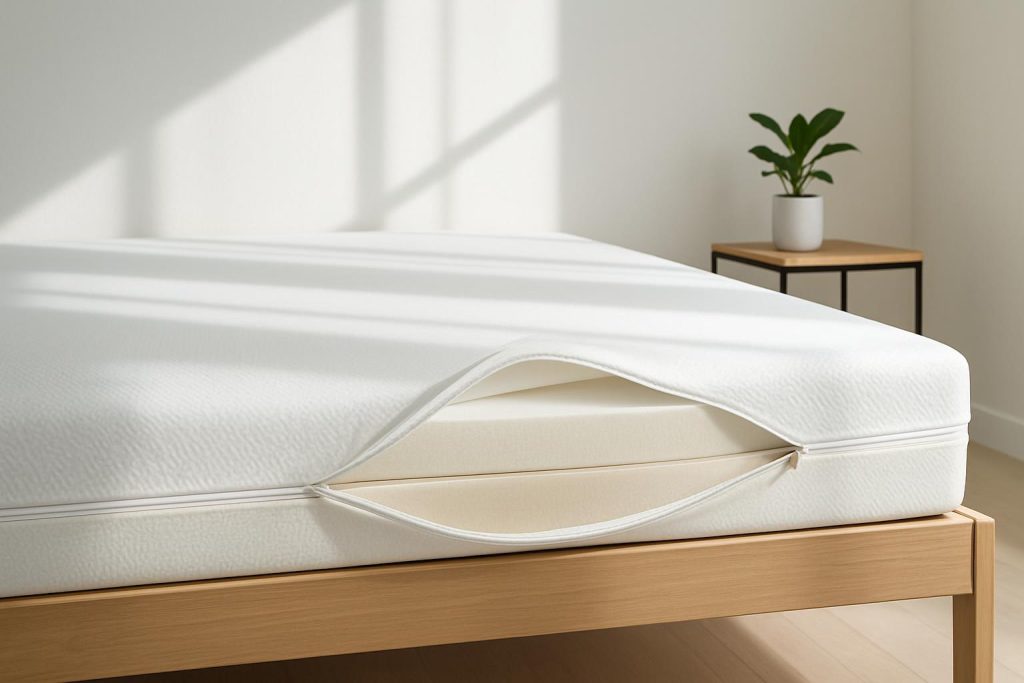
- Use a full encasement: Choose a zippered, allergy-proof encasement that covers all sides of the mattress. This locks out mites and keeps skin flakes from feeding them inside the core.
- Wash hot and often: Wash sheets and pillowcases weekly at 130 F or higher. Launder the encasement each quarter, or as directed.
- Vacuum the surface: Vacuum the mattress top and sides with a HEPA tool monthly before remaking the bed.
- Lower humidity: Keep bedroom humidity below 50 percent with a dehumidifier or AC. Mites hate dry air.
- Rotate on schedule: Rotate the mattress head to foot every 3 to 6 months to prevent sag zones that collect dust.
- Keep layers simple: Thick pads and heavy toppers can trap dust. Use a thin, washable protector plus the encasement.
Which One Should You Pick
If you run hot or live in a humid climate, the Purple Mattress or the Lucid Latex Hybrid both give you airflow that helps keep mites in check. If you want a simple foam feel with easier motion control, Tuft and Needle is the easy choice. On a tight budget, the Zinus Green Tea Memory Foam Mattress delivers a clean build that still respects allergy needs. Pair any of them with a full encasement and hot-wash routine and you will notice morning congestion fade.
Conclusion
You can cut dust mite exposure with two moves. Pick a mattress that limits humidity and fiber fluff where mites live. Lock it down with an encasement and hot-wash routine. The four mattresses above cover a range of feels and budgets while staying friendly to allergy control. Choose based on your sleep style, then stay consistent with cleaning. Small steps add up fast when your nose and lungs get a cleaner night of rest.
FAQ
Q: What mattress materials are best for dust mite allergies?
A: Natural latex and dense foams leave fewer pockets for mites, while breathable designs like grids and coils help keep humidity down.
Q: Do I still need a mattress encasement with a hypoallergenic mattress?
A: Yes, choose a zippered, allergy-proof encasement that covers all sides of the mattress to lock out mites and skin flakes.
Q: How often should I wash bedding to control dust mites?
A: Wash sheets and pillowcases weekly at 130 F or higher, and launder the encasement each quarter or as directed.
Q: Which of these mattresses is best for hot sleepers with allergies?
A: The Purple Mattress and the Lucid Latex Hybrid offer strong airflow that helps keep humidity and mite growth down.
Q: What is the best budget option for dust mite allergy control?
A: The Zinus Green Tea Memory Foam Mattress is a strong low-cost pick when combined with a full encasement and a hot-wash routine.