
We are reader supported. When you purchase through links on our site, we may earn an affiliate commission. Also, as an Amazon affiliate, we earn from qualifying purchases.
Curious how long a garden snail really lives and what makes the difference between one that thrives and one that vanishes after a season. This guide gives you a clear answer, plus the everyday factors that shorten or extend a snail’s life in your yard or terrarium. You will also learn simple home and garden steps that control snails humanely and keep them out of your house while protecting surfaces and plants.
What We Mean By Garden Snail
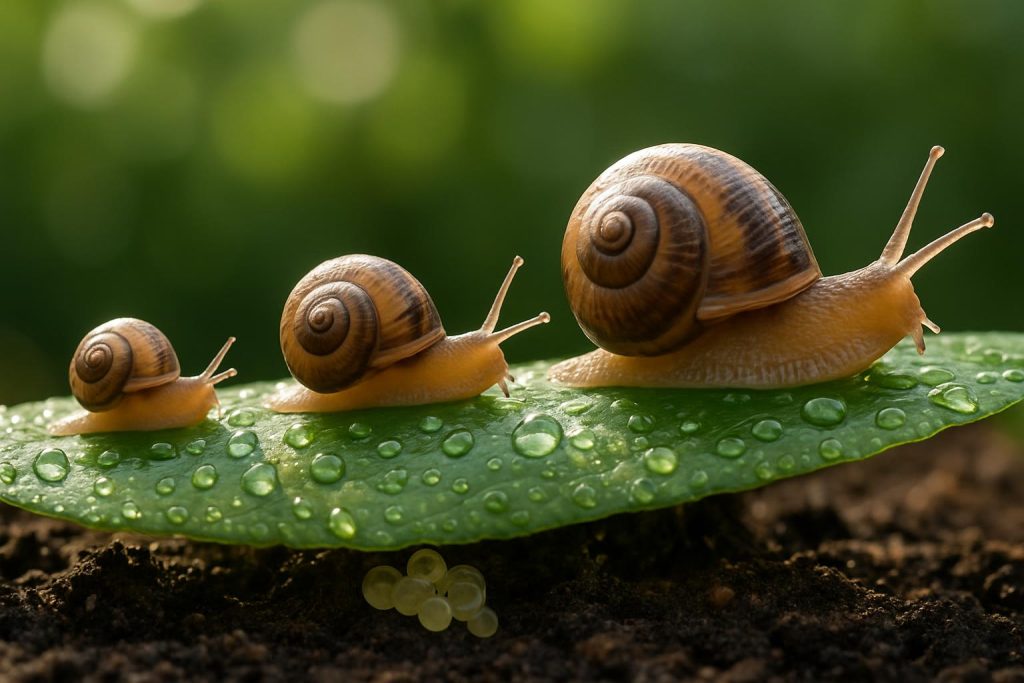
Most people mean the common brown garden snail, also called Cornu aspersum or Helix aspersa. It is widespread in Europe, North America, Australia, and many mild regions. There are other outdoor snails, but this species is the one most often seen on garden beds, pots, and home walls. The lifespan figures below refer mainly to this species, though many small land snails follow similar patterns.
The Short Answer: Average Lifespan
Outdoors in typical gardens, the average garden snail lives about 2 to 3 years. Many hatchlings die in the first year due to predators, drought, or lack of calcium. If a snail reaches adulthood, it can live 3 to 5 years in the wild. In captivity with steady moisture, calcium, and food, many live 5 to 7 years. A few can reach 8 to 10 years under careful care. So conditions matter more than genetics for most snails.
Life Cycle Basics
Eggs
Adults lay clusters of small round eggs in moist soil, often 50 to 100 eggs per clutch. Eggs hatch in 1 to 4 weeks depending on temperature and moisture.
Hatchlings
Tiny snails emerge with a small, soft shell. They need calcium and moisture right away. Without both, many die within days.
Juveniles
Juveniles add shell whorls as they grow. With steady food and humidity, they can reach breeding size within 6 to 12 months. In cooler climates, growth is slower and may pause over winter.
Adults
Adults breed when conditions are mild and damp. They can reproduce several times a year. Reproduction costs energy and can shorten lifespan if food or calcium is limited.
What Shortens Lifespan Outdoors
Predators
Birds, rodents, ground beetles, frogs, and even other snails prey on garden snails. Thrushes and jays can crack shells on stones. Eggs and hatchlings are easy targets for ants and beetles.
Heat and Cold Extremes
Prolonged heat over 30 C dries snails and forces them to seal up and wait. Hard freezes can kill sealed snails in shallow soil or on exposed walls. Rapid weather swings are especially hard on juveniles.
Drought and Low Humidity
Snails lose moisture quickly through their body. Dry spells lead to long periods of inactivity under debris. Repeated or prolonged droughts reduce feeding time and growth, and increase death from exhaustion.
Calcium Shortage
No calcium means no strong shell. Acidic or sandy soils with little calcium produce thin, fragile shells that crack easily. Weak shells reduce survival during predator attacks and dry spells.
Poor Diet Quality
Snails need leafy greens, decaying plant matter, fungi, and a steady water source. Starvation is common in overtidy beds without mulch or cover. Heavy competition from many snails in a small area also reduces food access.
Parasites and Disease
Parasitic flies and nematodes attack snails and their eggs. Overcrowded spots with decaying food and droppings raise the risk of infections that slow growth and shorten life.
Pesticides and Pollutants
Metaldehyde pellets kill snails efficiently but also harm pets and wildlife. Slug pellets and sprays reduce population and lifespan directly and indirectly by removing food sources and contaminating soil.
Human Hazards
Lawn mowers, foot traffic, road crossings, and salt spills from deicing damage shells and bodies. Hardscape edges and sharp gravel can cause cracks that the snail may not repair.
Seasonal Survival Strategies
Hibernation
In cold seasons, snails hide under soil or debris and become inactive. They seal the shell opening with a thin membrane and wait for mild temperatures. This saves energy and moisture.
Aestivation
In hot, dry periods, snails climb walls or posts and seal themselves to reduce water loss. Long aestivation drains reserves and can be fatal if it lasts too long.
Why It Matters
Snails that can safely hibernate or aestivate survive to breed the next season. Good shelter and steady humidity during these phases are often the difference between a two-year and a five-year life.
Shell Health and Lifespan
Growth and Maintenance
Snails add shell from the opening edge as they grow. They also repair chips and cracks by depositing new calcium layers.
Damage Risks
Cracks from falls, mower strikes, and predator pecks let in pathogens and dry the snail. Severe breaks are often fatal. Minor chips can heal if calcium and moisture are available.
Soil and Water Chemistry
Calcium-rich soils and hard water promote durable shells. Very acidic soils reduce calcium availability and lead to thin shells. In gardens with soft water and low-calcium soil, snails rarely reach the upper end of their lifespan.
How To Estimate a Garden Snail’s Age
Shell Size and Whorls
Count the number of shell whorls. Juveniles have fewer whorls. Adults of Cornu aspersum commonly have around 4 to 5 and a thickened outer lip. This only indicates maturity, not exact years.
Growth Lines
Subtle lines on the shell suggest growth pauses from cold or drought. More lines can mean older, but conditions can create multiple lines in one season, so precision is low.
Behavior and Shell Quality
Older adults often have heavier, thicker shells with more wear near the opening. Again, this is suggestive, not exact.
Keeping Snails As Pets: How To Reach Maximum Lifespan
Enclosure
Use a ventilated plastic box or glass tank with a secure lid. Add small holes for airflow, but keep humidity in. Size can be modest for a few snails, as they are slow and prefer cluttered spaces.
Temperature and Humidity
Aim for 15 to 22 C. Avoid prolonged temperatures below 5 C or above 28 C. Keep humidity high but not dripping, around 70 to 90 percent. Mist lightly once or twice daily depending on ambient conditions.
Substrate
Use coconut coir or pesticide-free topsoil at 3 to 5 cm depth. Keep it slightly damp, not waterlogged. Add leaf litter and cork bark for hiding.
Calcium Supply
Provide a piece of cuttlebone at all times. You can also offer crushed eggshell that has been boiled and dried, or a calcium carbonate block. Replace when soiled.
Diet
Offer varied leafy greens like lettuce, chard, kale, and dandelion leaves. Add cucumber, zucchini, carrot shavings, and occasional fruit like apple or melon. Rinse produce to remove residues. Avoid salty foods, processed foods, and strong alliums. Do not feed citrus. Remove wilted leftovers daily.
Water
Provide a shallow dish with a gentle slope so snails do not drown. Mist the walls for additional droplets they can drink.
Cleaning Routine
Spot clean droppings and old food daily. Wash the water dish daily. Replace substrate every 3 to 4 weeks. Rinse the enclosure with warm water only. Avoid detergents that leave residues. Dry fully before resetting.
Handling
Handle as little as possible. If needed, moisten your hands and let the snail crawl on its own. Do not pull a snail off a surface. Gently slide a thin card under the foot to release suction.
Health Checks
Look for cracks, soft spots in the shell, lack of appetite, or unusual inactivity. Isolate new snails for two weeks to avoid introducing parasites. Ensure calcium and humidity if you notice thin shell growth.
Humane Control In Gardens Without Harming Pets Or Soil
Make The Space Less Attractive
Water in the morning so the soil surface is drier at night when snails feed. Clear dense ground clutter close to tender plants while keeping some habitat zones elsewhere for biodiversity. Elevate pots and remove saucers that hold water overnight.
Physical Barriers
Wrap raised beds and pot rims with copper tape. Keep the copper clean so it works. Use fine mesh collars around stems of prized seedlings. Repair gaps quickly.
Traps You Can Maintain
Lay down wooden boards or inverted grapefruit halves in the evening. In the morning, collect snails hiding underneath. Relocate them to a distant, suitable wild area only if local rules allow and the species is native. Otherwise, use one-way collection and humane dispatch methods recommended by local wildlife or extension agencies.
Hand Picking
Go out at dusk with a headlamp after watering. Drop snails into a container for relocation or disposal based on local guidance. This is very effective when done several evenings in a row.
Baits
Use iron phosphate baits that are labeled safe for pets and wildlife when used as directed. Avoid metaldehyde, which is toxic to pets and beneficial animals. Always follow label directions and place baits in covered stations to prevent non target access.
Plant Choices And Spacing
Space plants to improve airflow. Choose less palatable plants at the bed edge, such as rosemary, lavender, and some ornamental grasses. Keep mulch thin near seedlings during peak slug and snail season.
Keeping Snails Out Of The House
Seal Entry Points
Install door sweeps, weatherstripping, and fine mesh at vents. Seal cracks around pipes and along foundations with exterior sealant. Pay attention to low door gaps and damp thresholds.
Reduce Moisture
Fix leaks, improve ventilation, and run a dehumidifier in damp basements. Move potted plants and stacked items away from doorways and walls. Clear leaf piles against the house.
Outdoor Lighting And Night Habits
Reduce excess night lighting that may draw insects and, indirectly, snails that feed on plant debris under lights. Clean up fallen fruit from trees near entrances.
Cleaning Slime Trails Indoors
On hard floors, wipe with warm soapy water using a microfiber cloth. For residue, spray a 1 to 1 mix of white vinegar and water, wait one minute, then wipe and rinse with clean water. On painted walls, test the vinegar mix on a small area first and dilute further if needed. On fabric, blot with cold water, apply a small amount of enzyme detergent, soak 15 minutes, and launder as usual. Avoid salt on indoor surfaces, as it can damage finishes and is inhumane to live snails.
Do Snails Die After Laying Eggs
No. Garden snails are hermaphrodites and can lay eggs multiple times in a year. However, egg production uses energy and minerals. Heavy breeding without strong nutrition and calcium can reduce lifespan.
How Many Eggs Do They Lay
Common clutches range from about 50 to 100 eggs. Some snails lay several clutches per season if conditions stay moist and mild.
Can I Release A Pet Snail To The Garden
Do not release captive snails to the wild. They can carry non native parasites or become invasive. Follow local rules and keep pet snails in secure enclosures.
Are Snails Good Or Bad For Gardens
They are both helpers and eaters. They recycle dead plant matter and contribute to soil health, but they also chew seedlings and tender leaves. The best approach is targeted protection for young plants and balanced habitat management.
Average Lifespan Recap With Context
Most garden snails outdoors live 2 to 3 years. Good seasons and safe shelter push that to 3 to 5 years. In captivity with stable humidity, food variety, and constant calcium, many reach 5 to 7 years, and a few live longer. Moisture and calcium access are the two biggest levers you can manage.
Quick Troubleshooting For Short Lifespans In Captivity
If snails stop eating
Check temperature and humidity. Offer fresh greens and remove spoiled food. Rinse produce. Confirm calcium availability.
If shells look thin or chalky
Add a larger cuttlebone and a calcium carbonate source. Reduce acidity sources like large amounts of citrus peels in the enclosure. Maintain steady humidity.
If you see cracks or chips
Reduce falls by lowering vertical climbs and adding soft moss or leaves under high points. Keep the enclosure away from vibration. Provide extra calcium and stable moisture to support repair.
If you find frequent deaths
Check for pesticide residues on produce, enclosure cleaners leaving film, overheating, or severe dryness. Quarantine new snails and review substrate cleanliness.
Simple Garden Routine To Limit Damage And Keep Balance
Water in the morning. Patrol and hand pick at dusk two to three evenings after rain. Keep copper tape clean on pots and bed edges. Use iron phosphate bait in covered stations near high pressure zones. Thin dense mulch around young seedlings. Maintain a compost area or leaf pile away from beds as a decoy food and shelter zone to concentrate snails where you can manage them.
Why Moisture And Calcium Decide Outcomes
Moisture allows feeding, movement, and repair. Calcium creates a shell that resists predators and weather. When both are steady, snails grow predictably and survive seasonal stress. When one is missing, lifespan drops fast. This is why the same species lives twice as long in a mild coastal garden or a well kept terrarium compared to a hot, dry yard with poor soil.
Ethical Tips For Homeowners
Choose controls that do not harm pets or wildlife. Avoid metaldehyde. Favor barriers, hand picking, and iron phosphate baits in protected stations. Do not use salt on live snails. If you collect snails, follow local rules for relocation or humane dispatch, and avoid moving species to new areas.
Conclusion
Garden snails are short lived in harsh yards and surprisingly durable in stable, humid environments. Expect 2 to 3 years on average outdoors, 3 to 5 years for well sheltered adults, and 5 to 7 years or more in captivity with proper care. If you keep them, focus on humidity, temperature, calcium, and cleanliness. If you manage them in the garden, combine morning watering, barriers, targeted hand picking, and safe baits. To keep them out of the house, seal gaps and control moisture, and clean trails with simple solutions that protect your finishes. With a few informed steps, you can either help a pet snail reach its full potential or keep your plants and home tidy without harsh chemicals.