
We are reader supported. When you purchase through links on our site, we may earn an affiliate commission. Also, as an Amazon affiliate, we earn from qualifying purchases.
Accent walls are a fast way to change a room with limited cost and effort. One wall gets focus. The whole space feels intentional. This guide gives practical ideas for every room, with steps you can follow even if you are new to DIY.
What An Accent Wall Does
An accent wall adds contrast, shape, and depth. It pushes the eye to a focal point, defines zones in open layouts, and helps tie colors together. Done well, it makes rooms feel more designed without a full remodel.
Plan Before You Start
Choose the Right Wall
Pick the wall your eye hits first when you enter. Good options include the wall behind a bed, sofa, fireplace, media unit, or dining table. Avoid walls with many doors or windows unless symmetry is strong. In small rooms, choose the far wall to pull the eye through the space.
Set a Clear Goal
Decide what you want the wall to do. Add drama. Create calm. Add texture. Mark a zone. Your goal will guide color, pattern, and material.
Pick a Tight Color Palette
Limit your palette to two to three main colors, plus a neutral. Pull hues from existing items like rugs, sofas, or bedding. Repeating a color you already have makes the result feel built in.
Test Samples in Real Light
Paint sample swatches or tape wallpaper samples and look at them morning to night. North light cools colors. South light warms them. Check under your lamps too. Keep the one that looks best across the day.
Select the Right Finish
Use matte or eggshell in living spaces for a soft, modern look. Use satin in busy areas for easy cleaning. Use semi gloss in baths and kitchens to handle moisture. Keep ceiling paint flat to hide flaws if you take color onto the ceiling.
Simple Paint Ideas That Work
Solid Bold Color
A single deep color delivers instant focus. Try forest green, navy, charcoal, or clay. Balance with lighter walls and a few matching accents like pillows or art mats.
Two Tone Split Wall
Paint the lower half darker and the upper half lighter. Set the break around one third up the wall or at the height of headboards or window sills. Add a simple trim strip if you want a crisp divider.
Color Blocking
Use painter tape to make large shapes. Try a vertical band behind nightstands, a wide arch behind a crib, or a square block behind a desk. Keep shapes simple and align them with furniture edges.
Stripes or Checks
Wide horizontal stripes make rooms feel wider. Vertical stripes add height. Use two close tones for a soft effect, or high contrast for punch. For checks, map a grid with a level and keep lines wide for a clean result.
Soft Ombre Blend
Blend from dark at the bottom to light at the top. Use related colors. Work quickly while paint is wet. Use a dry brush to soften the transition.
Writable Paint
Use chalkboard paint for a kitchen list or kids zone. Use dry erase paint for a home office project wall. Frame the area with wood trim for a finished look.
Add Texture and Dimension
Wood Slats
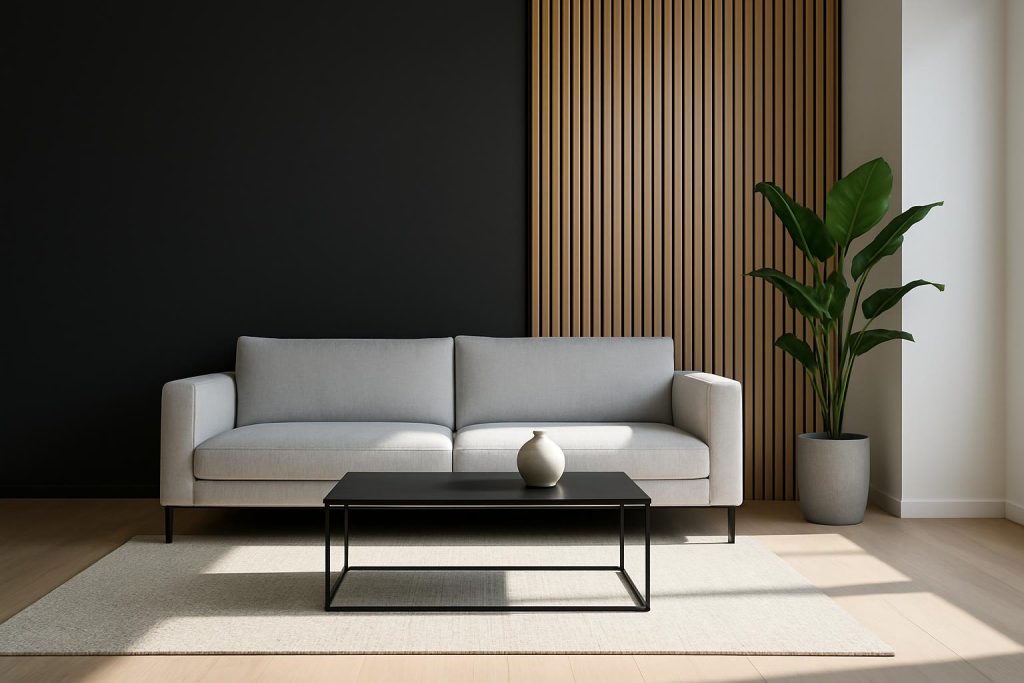
Thin vertical slats add clean lines and sound softness. Paint them the wall color for subtle texture or stain them for warmth. Space evenly with simple spacers. End with a top trim to finish edges.
Board and Batten
Build a grid with simple boards and thin battens. Paint the whole wall one color. This adds classic detail without heavy cost. Match the rail height to furniture height for good balance.
Picture Frame Molding
Make rectangles with trim to frame art or mirrors. Keep spacing equal from corners and between boxes. Paint trim and wall the same color for a seamless look.
Shiplap
Horizontal or vertical planks give a clean cottage feel. Vertical lines raise the eye and help small spaces feel taller. Caulk edges and paint with satin for easy cleaning.
Limewash and Mineral Paint
These create soft movement and a matte clouded finish. They hide minor wall flaws and feel calm. Apply with a block brush in random strokes for depth.
Venetian Plaster
Layer tinted plaster with thin coats and burnish for a gentle sheen. This gives depth without pattern. Use in living rooms, bedrooms, and entry walls.
Brick Veneer or Stone Peel and Stick
Thin brick or stone panels offer texture without full masonry. Paint white for a bright loft feel, or leave natural for warmth. Use on a fireplace wall, bar back, or entry niche.
Cork or Acoustic Panels
Cork tiles add texture, warmth, and sound control. Use in offices, media rooms, or bedrooms. Frame with thin trim for a finished edge.
Fabric Wrapped Panels
Wrap foam boards with fabric and mount in a grid. This adds softness and pattern without wallpaper. Use removable strips if you rent.
Wallpaper and Prints
Removable Peel and Stick
Great for rentals or quick updates. Install on smooth, clean walls. Start from a plumb line. Overlap or butt seams per the brand guide.
Large Scale Florals or Botanicals
Big patterns feel modern and less busy. Use on a headboard wall, dining wall, or entry niche. Pull one tone into pillows or curtains.
Geometric or Line Art
Clean shapes suit offices and living rooms. Choose mid scale prints so seams are forgiving. Keep furniture simple to let the pattern lead.
Mural Panels
Cityscapes, landscapes, or abstract murals turn a wall into a view. Size the mural to the wall width for clean edges. Add narrow side trims if needed.
Subtle Texture Prints
Grasscloth look, linen weave, or tiny dots add interest without noise. These work well in small rooms and hallways.
Room by Room Ideas
Living Room
Behind the sofa, use deep paint, slats, or a large format mural. Add two sconces to frame art. If the TV is on the accent wall, use dark matte paint or texture to reduce glare.
Bedroom
Behind the bed, try board and batten at two thirds height with soft color above, or a solid dark tone to anchor the headboard. Add simple art or leave blank for a quiet look.
Nursery and Kids Room
Color block an arch or half wall for a playful zone. Use washable paint. Keep hardware out of reach. Add soft decals you can change as they grow.
Kitchen and Dining
Use washable satin paint, beadboard, or tile. In dining areas, try a wallpaper above a chair rail. Keep patterns that do not fight with backsplash.
Bathroom and Powder Room
Powder rooms handle bold choices well. Try a dramatic wallpaper or plaster finish. In full baths, use moisture friendly paint or tile to handle steam.
Entry and Hallway
Define the entry with a dark color, narrow slats, or a mural. In halls, use picture frame molding with a mid tone to add depth without closing the space.
Home Office
Use a saturated color behind the desk to reduce screen glare and set focus. Add a cork section for pinning ideas. Install even shelves or a floating ledge for display.
Rental Friendly Options
Use peel and stick wallpaper, decals, large canvas art, fabric wrapped panels with removable strips, or a leaning screen. All can come down without damage.
Lighting and Styling
Layer Your Light
Accent walls look better when lit well. Add sconces, picture lights, or a floor lamp that washes the wall. Use warm bulbs for color depth.
Scale and Spacing
Match art and shelves to the wall size. Large walls need larger pieces. Keep margins even from edges and between items.
Art, Mirrors, and Shelves
Use one strong piece or a tight gallery. Keep frames simple if the wall is bold. Use slim shelves for books or plants but avoid clutter.
Balance the Room
Echo the accent color in two or three small items across the room. This spreads the hue and keeps the wall from feeling isolated.
Budget and Time
Cost Ranges
Paint is the lowest cost upgrade. Peel and stick wallpaper costs more but installs fast. Wood and trim add cost for materials and tools but create a high end look.
Save Money
Reuse paint from another room for color unity. Choose pre primed trim. Cut your own slats from plywood. Shop remnants for wallpaper on a small wall.
Weekend Timelines
Plan day one for prep and paint or layout. Plan day two for a second coat or install and styling. Complex trim may take an extra day for caulk and paint.
Prep and Execution
Measure and Map
Sketch the wall with measurements. Mark center and key heights like headboard top or chair rail. Use a level or laser for straight lines.
Surface Prep
Fill holes, sand smooth, and wipe dust. Prime if you cover dark colors, stains, or new drywall. Remove switch plates. Mask baseboards and adjacent walls.
Paint Steps
Cut in edges with a brush, then roll in a W pattern. Keep a wet edge. For sharp tape lines, press the tape firmly, then seal the tape edge with the base wall color, let it dry, and paint the accent color. Remove tape at a 45 degree angle while paint is slightly wet.
Wallpaper Steps
Mark a plumb line. Start in the least visible corner so the last seam lands there. Smooth from center out. Trim at base and ceiling with a sharp blade. Match patterns at eye level first.
Molding Basics
Find studs and mark them. Cut trim with clean 45 degree corners. Use construction adhesive and a nailer. Fill holes, caulk seams, and paint the entire wall and trim as one.
Clean Up and Cure
Pull tape slowly. Reinstall plates and hardware. Let paint cure per can directions before heavy use. Avoid washing walls for at least a week.
Common Mistakes and Easy Fixes
Wrong Wall Choice
If the wall fights furniture, pick another. The best wall supports the main function of the room.
Color Mismatch
Test larger samples and check them in your light. If the shade is off, adjust one step warmer or cooler and repaint the single wall.
Crooked Lines
Use a level or laser. Press tape hard and seal with base color first. If a line bleeds, scrape gently with a razor and touch up.
Overcrowding
Let the wall breathe. Choose one strong idea and edit decor. Negative space is part of the design.
Skipping Prep
Dirty or glossy walls make paint fail. Sand, clean, and prime where needed. The result will last longer.
Conclusion
An accent wall can shift the mood of any room fast. Plan the wall, pick a goal, and match the idea to your space and budget. Start simple with paint, step up to texture or wallpaper, and finish with good lighting and balanced styling. With clear steps and a weekend of work, your room can feel new.
FAQ
Q: How do I choose the right wall for an accent
A: Pick the wall your eye hits first, like behind a bed, sofa, fireplace, media unit, or dining table. Avoid walls chopped by many doors or windows unless the layout is symmetrical. In small rooms, choose the far wall to draw the eye through the space.
Q: What paint finish works best on an accent wall
A: Use matte or eggshell in living spaces for a soft look, satin in busy areas for easier cleaning, and semi gloss in baths and kitchens for moisture resistance.
Q: Can I add an accent wall in a small room
A: Yes. Place it on the far wall, choose a deeper tone to add depth, and use vertical lines to add height. Keep the other walls light and repeat the accent color in small decor for balance.
Q: What are renter friendly accent wall ideas
A: Use peel and stick wallpaper, decals, large canvas art, fabric wrapped panels with removable strips, or a leaning screen. These options come down without damage when you move.
Q: How do I get crisp lines with painter tape
A: Press the tape edge firmly, seal the tape with the base wall color, then apply the accent color. Remove the tape at a 45 degree angle while the paint is slightly wet.