
We are reader supported. When you purchase through links on our site, we may earn an affiliate commission. Also, as an Amazon affiliate, we earn from qualifying purchases.
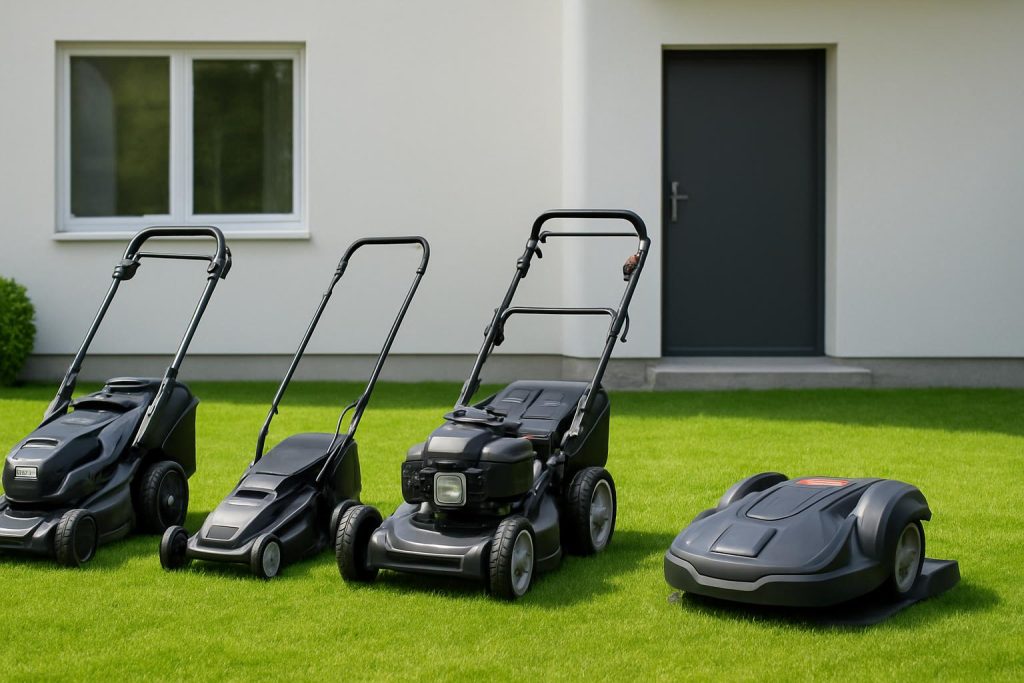
Picking the right lawn mower in 2026 is easier when you match the tool to your yard size, terrain, and maintenance style. Battery models are now strong enough for most suburban lawns, corded electrics stay unbeatable for small spaces on a budget, gas still wins for raw power in thick growth, and robots keep your grass in shape with minimal effort. Below I break down four standout mowers that solve different needs, explain why each one helps, and give plain guidance on setup, care, and choosing with confidence.
How to choose a lawn mower in 2026
Yard size first
Small yards under 1/8 acre do well with corded electric or compact cordless. Medium yards up to 1/3 acre favor modern cordless self-propelled. Large or overgrown spaces still benefit from gas power or a robot paired with periodic heavy cuts.
Terrain and grass type
Hills call for self-propelled drive. Thick, fast-growing, or damp grass needs higher torque and a strong blade. Warm-season grasses often prefer lower cutting heights than cool-season grasses; pick a mower with flexible height ranges.
Power source
Battery cordless is quiet, low maintenance, and strong now that 56V and high-amp-hour packs are common. Corded offers unlimited runtime with a trade-off in cord management. Gas brings maximum torque for tall or wet growth but needs more upkeep. Robotic mowers keep grass consistently short with minimal effort once the boundary wire is set.
Deck size and storage
A 21-inch deck clears standard suburban lawns quickly. Smaller decks turn easier in tight yards and around beds. Vertical folding handles save storage space in garages and sheds.
Cutting options
Mulching returns nutrients and reduces yard waste. Bagging gives a clean finish and helps with leaves. Side discharge is useful in heavy spring growth. Look for easy switching between modes.
Ease and safety
Single-lever height adjustment, easy-to-remove bags, bright controls, and strong safety interlocks all reduce frustration. Self-propelled variable speed and ergonomic handles matter on long mowing sessions.
A practical starting height
For most lawns, a safe starting point is around 2.5 to 3 inches. Raise it in hot, dry spells to reduce stress and weeds. Lower in cool, wet stretches if growth surges, but avoid removing more than one-third of the blade at a time.
The 4 best lawn mowers for different uses
EGO Power+ LM2102SP 21-Inch 56V Cordless Self-Propelled
Why it helps: Reliable cordless power with real-world runtime and a solid 21-inch cut. It handles medium to larger suburban lawns without fumes or constant maintenance.
Best for: Homeowners who want gas-like performance without gas. Yards up to about a third of an acre per charge, more with an extra battery.
Key specs to know: 56V system, 21-inch deck, self-propelled variable speed, 3-in-1 mulching, bagging, and side discharge, single-lever height adjustment with wide range, LED headlights, folds for vertical storage. With the included 7.5Ah battery, expect up to about 60 minutes in light to moderate conditions; thick or wet grass shortens runtime.
Standout features: The variable-speed drive matches your walking pace, which makes hills and long passes easier. The cut quality is clean with efficient mulching. Rapid charging gets you back out quickly if you run low mid-mow. Vertical storage saves real space in tight garages.
Setup and maintenance: Snap in the battery, unfold the handle, set height, and start. Keep the blade sharp, clear clippings from the deck, and store the battery indoors in temperature-friendly conditions for best life.
Potential downsides: Heavier than small corded units. Bag fills fast in spring growth. Runtime depends on conditions, so thick St. Augustine or damp fescue can drain the pack faster.
I think: The LM2102SP remains the most balanced cordless choice for most households. The drive system feels dialed in, the cut looks even, and the folding design respects your storage space.
CRAFTSMAN M215 159cc 21-Inch FWD Self-Propelled Gas
Why it helps: Consistent torque for tall, thick, or damp grass where battery models can bog down. It is a straightforward workhorse when you need to power through growth.
Best for: Yards with heavy spring flush, occasional neglect between cuts, and uneven turf. Also a smart backup for stormy weeks when grass gets ahead of you.
Key specs to know: 159cc gas engine, 21-inch deck, front-wheel-drive self-propelled, 3-in-1 mulching, bagging, and side discharge, multiple height positions, large rear wheels for traction.
Standout features: The front-wheel drive makes turns simple around beds and paths. The engine’s steady pull keeps the blade speed up through tough patches, and the bagging performance is strong when leaves drop.
Setup and maintenance: Add oil, add fuel, set height, and pull start. Keep a fresh blade, change oil at recommended intervals, and winterize with stabilized fuel or run it dry before storage.
Potential downsides: Heavier, louder, and more maintenance than electric options. Exhaust smell and storage of fuel are trade-offs for performance.
I think: When a yard fights back with thick or wet growth, this mower feels reassuring. The cut is tidy, and the drive takes strain off your legs on longer passes.
Sun Joe MJ401E-PRO 14-Inch 13-Amp Corded Electric
Why it helps: Lightweight, compact, and simple. It solves small-lawn cuts without battery charging or gas upkeep, and it fits in tight storage spaces.
Best for: Small, flat yards, townhomes, and easy access to an outdoor outlet. Anyone who wants low cost and low maintenance.
Key specs to know: 13-amp motor, 14-inch deck, 3-position manual height, collection bag, mulch plug in the PRO version, collapsible handle.
Standout features: The narrow deck is nimble around beds and patios. The lightweight body is easy to carry up steps or store vertically against a wall. The motor handles regular weekly cuts cleanly.
Setup and maintenance: Unfold the handle, attach the bag, plug into a 12 or 14-gauge outdoor cord sized for the length you need, and go. Wipe down the deck after use and keep the blade sharp. No gas, no oil, no battery to manage.
Potential downsides: The power cord needs attention to avoid tangling and requires a planned mowing pattern. The small deck means more passes on larger areas.
I think: For compact lawns, this is the stress-free pick. It is affordable, cuts neatly, and stores where bigger mowers simply cannot.
Worx Landroid WR155 L 20V Robotic Mower for up to 1/2 Acre
Why it helps: Hands-off care that trims a little each day so the lawn stays even and healthy. It frees your weekends once the boundary is installed.
Best for: Homeowners who want minimal mowing effort, consistent results, and are willing to spend time on initial setup. Works well on moderate slopes and multi-zone yards.
Key specs to know: Designed for lawns up to about a half acre, app control over Wi‑Fi, rain sensor to avoid wet cutting, adjustable cutting height, safety lift and tilt sensors, cut-to-edge design to reduce trimming.
Standout features: The scheduling keeps your lawn in a steady state, which reduces clumps and stress on grass. Multi-zone logic helps it cover front and back areas when you guide it with boundary wire. The dock-and-charge routine is seamless once dialed in.
Setup and maintenance: Plan your boundary and guide wire carefully, stake it low and tight, and test before finalizing. Keep debris and toys out of the yard, and trim edges occasionally for a crisp border. Replace blades periodically for a clean cut.
Potential downsides: Initial setup takes time and patience. Edges next to walls or beds still need touch-up trimming. Obstructions and tight pinch points require thoughtful wire routing.
I think: If you value your time, this mower changes the game. After week two the lawn looks consistently fresh, and upkeep drops to simple checks and occasional edge cleanup.
Setup tips that make mowing easier
Dial in cutting height first
Start around 2.5 to 3 inches and adjust by season. In hot, dry stretches, raise the deck to protect roots and conserve moisture. In cool, quick-growth weeks, cut a bit lower while never removing more than a third of blade length at once.
Sharpen the blade
A sharp blade slices cleanly, reduces engine or motor strain, and leaves grass healthier with fewer brown tips. Check the edge every 10 to 12 hours of mowing and touch up as needed.
Choose your cutting mode wisely
Mulch when you mow weekly and clippings are small. Bag when leaves or seed heads are heavy or when guests are coming and you want a pristine look. Use side discharge in lush growth to prevent clumping.
Plan a smart mowing pattern
Alternate directions each week to reduce soil compaction and rutting. On hills, mow across the slope with a self-propelled mower for stability. With corded models, mow away from the outlet and loop back to keep the cord behind you.
Maintenance that extends mower life
Electric cordless and corded
Keep decks clear, store batteries in a cool, dry place, and avoid fully draining packs repeatedly. Wipe connections clean and fold handles gently to protect cables.
Gas
Use fresh, stabilized fuel. Change oil on schedule, keep the air filter clean, and replace spark plugs when starts get harder. Winterize by draining fuel or running dry.
Robot
Walk the yard weekly to remove sticks and toys. Check the boundary line after pets or landscapers visit. Replace small blades regularly for the cleanest cut.
Which one should you choose
If you want the best all-around experience without fumes, pick the EGO LM2102SP. If thick or wet grass is your normal, the Craftsman M215 is the sure bet. For tiny yards and tight storage, the Sun Joe MJ401E-PRO is the simplest answer. If you value time more than tinkering, the Worx Landroid WR155 quietly keeps your grass ready every day.
Conclusion
Match the mower to the job and your routine gets easier. Battery tech now covers most suburban yards smoothly. Gas still rules when conditions get tough. Corded is a smart, low-cost fit for small spaces. Robots save time once installed. Pick the category that fits your lawn, set a healthy height, sharpen the blade, and you will see a more even, greener lawn with less effort week after week.
FAQ
Q: Which mower is best for small yards and tight storage
A: The Sun Joe MJ401E-PRO is best for compact spaces thanks to its 14-inch deck, lightweight body, and simple corded setup that avoids battery or fuel storage.
Q: How long does the EGO Power+ LM2102SP run on one charge
A: In light to moderate conditions, expect up to about 60 minutes with the included 7.5Ah battery, with runtime decreasing in thick or damp grass.
Q: Is a gas mower still worth it for thick or overgrown grass
A: Yes. The Craftsman M215’s 159cc engine delivers steady torque that powers through tall, dense, or damp patches better than most electrics.
Q: Can a robot mower like the Worx Landroid WR155 handle complex yards
A: Yes. With careful boundary wire setup, it handles moderate slopes, multi-zone layouts, and narrow passages, though edges may still need trimming and setup takes time.
Q: What cutting height should I start with for a healthy lawn
A: A practical starting point is around 2.5 to 3 inches, raising the height in hot, dry spells and lowering slightly in cool, fast-growth periods.