
We are reader supported. When you purchase through links on our site, we may earn an affiliate commission. Also, as an Amazon affiliate, we earn from qualifying purchases.
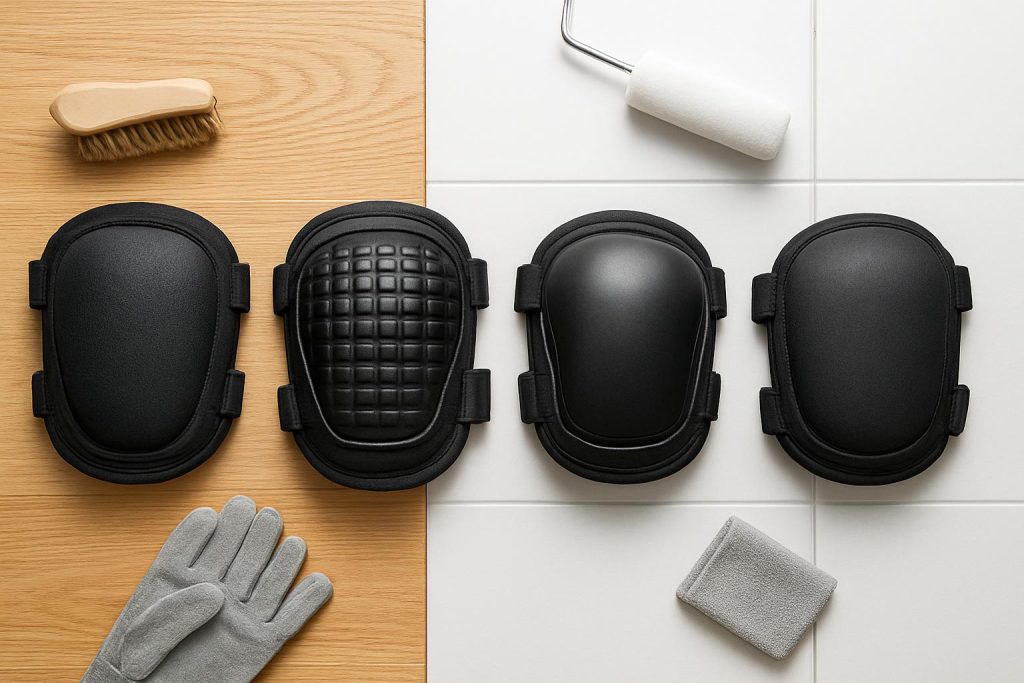
Cleaning showers, scrubbing floors, painting baseboards, organizing low cabinets, and gardening all have one thing in common: your knees take the hit. The right knee pads turn painful kneeling into stable, supported work. This guide breaks down the 4 best knee pads for housework this year, how to choose between gel and foam, which straps will not slip, and how to avoid marks on hardwood floors. Short, clear sections help you pick fast and move on with your day.
Quick take
All four picks protect well, stay put, and work on common home surfaces. Here is the snapshot:
- NoCry Professional Knee Pads — Best all-rounder for tile, laminate, and general cleaning. Secure fit with quick-release buckles.
- DEWALT DG5204 Professional Kneepads — Rugged build for long sessions and DIY projects. Balanced gel cushioning and durability.
- Sellstrom KneePro Ultra Flex III — Maximum protection and mobility on rough surfaces. Great for heavy-duty scrubbing and garage tasks.
- CRAFTSMAN Professional Gel Knee Pads — Soft, floor-friendly cap for hardwood and vinyl. Comfortable straps for everyday chores.
NoCry Professional Knee Pads with Heavy Duty Foam and Gel
The NoCry Professional Knee Pads remain a top choice for home use because they blend a soft gel core with dense foam and a rugged front shield. The cap has enough grip to stay stable on tile while still gliding when you shift weight. The double straps and quick-release buckles hold position without digging into the back of your legs.
Why it helps: The gel-foam combo spreads pressure, so kneeling on grout lines or uneven spots hurts less. The textured cap resists slipping on wet tile or dusty floors, which matters for bathroom cleaning and grout work.
Best for: Tile scrubbing, bathroom cleaning, grout touch-ups, baseboard painting, and general home projects on tile, laminate, and low-pile rugs.
Fit and comfort notes: The straps adjust quickly and clip on and off without fuss. Once dialed in, I think the pads maintain position better than most velcro-only options, especially during repeated stand-kneel cycles.
Potential downsides: The front shield is protective but can scuff very delicate finishes if you drag it while kneeling. On premium hardwood, kneel down rather than slide, or consider a softer-cap option below.
I think: For most homes with mixed surfaces, this is the one-pair solution. It balances protection, grip, and ease of use better than many pricier sets. I use it for shower scrubs and kitchen cabinet cleaning because it does not slip when wet.
DEWALT DG5204 Professional Kneepads
DEWALT’s DG5204 combines a thick gel layer with resilient foam and a tough outer fabric. The cap is firm but less aggressive than a fully hard shell, which keeps it friendly for indoor floors while still handling DIY tasks. The robust build survives weekend projects that ruin flimsier knee pads.
Why it helps: The layered cushioning keeps knees calm during long kneel sessions, like painting trim or installing peel-and-stick tiles. The curved shape cups the knee to reduce pressure points.
Best for: Long cleaning or painting sessions, light renovation work, assembling furniture, and tackling multi-hour projects where comfort and durability both matter.
Fit and comfort notes: The straps have enough width to avoid hot spots. The rear strap angle helps stop migration below the knee. Once adjusted, I think they stay put well during frequent movement.
Potential downsides: The cap is firmer than soft caps, so be mindful on very soft pine or newly finished floors. Weight is slightly higher than minimalist pads, which some users notice during all-day wear.
I think: If you want one pair that can shift from housework to light construction without babying them, this is a smart buy. I like them for baseboard painting marathons and closet shelving installs.
Sellstrom KneePro Ultra Flex III Knee Pads
Sellstrom’s KneePro Ultra Flex III is the tank of knee pads. The hard outer shell and hinged design protect against rough surfaces and let you bend naturally. Inside, a thick closed-cell foam liner cushions impact. The speed-clip straps are simple and reliable, even with gloves or wet hands.
Why it helps: The hard shell shields your knee from cracked concrete, hardware on the floor, and rough grout edges. The hinge lets you crawl and pivot without the pad biting into your leg.
Best for: Garage cleaning, heavy-duty scrubbing, yard and patio projects, and any job where rough surfaces threaten comfort or safety.
Fit and comfort notes: The shell footprint is large, which spreads pressure and keeps you from sinking into soft ground. The liner is firm but forgiving. I think the hinge design stands out when you crawl or shift frequently.
Potential downsides: The hard shell can mark sensitive hardwood if you drag it. Use a knee-friendly mat or switch to a soft-cap pair for pristine floors. Bulk is higher than gel-cap pads, so storage is less compact.
I think: For rough work, nothing beats these for stability and protection. I trust them on gritty garage floors, around fasteners, and during deep-clean days when debris is everywhere.
CRAFTSMAN Professional Gel Knee Pads
CRAFTSMAN’s Professional Gel Knee Pads focus on indoor friendliness. The cap is soft and non-marring, with enough grip to prevent sliding on hardwood and vinyl. Gel and foam work together to keep pressure down during repetitive tasks like cleaning baseboards and organizing lower cabinets.
Why it helps: The soft cap protects delicate finishes while still letting you pivot into tight corners. The wide, comfortable straps reduce slippage and pinching.
Best for: Hardwood and vinyl floors, delicate finishes, everyday chores, and projects where you move room to room.
Fit and comfort notes: The strap width and placement make a difference. I think these feel lighter and more breathable for quick housework cycles, and they do not dig behind the knees as much.
Potential downsides: The soft cap will wear faster on abrasive surfaces like concrete. If you do a lot of outdoor or garage tasks, pair these with a hard-shell set.
I think: If your main goal is protecting floors and staying comfortable during regular cleaning, this set is a low-stress choice. I reach for them when moving along baseboards and cleaning under furniture.
How to choose knee pads for housework
Fit and sizing
Good knee pads start with fit. The pad should center over your kneecap and stay there as you move. Straps must be snug but not painfully tight. You should be able to slide two fingers under each strap. If the pad slides down your shin, tighten the lower strap first and adjust the upper only to stabilize. For petite knees, look for slimmer shells or pads with curved cups that hug the knee.
Gel vs foam
Gel disperses pressure and feels plush during long kneels. Foam is lighter, breathes better, and costs less. Many of the best pairs combine a gel core with high-density foam for the right blend. For long trim painting or grout work, gel-foam combos win. For quick chores, pure foam can be fine and faster to put on and off.
Strap types
Common strap systems include hook-and-loop, quick-release buckles, and speed clips. Hook-and-loop is fast but can clog with lint. Quick-release buckles offer repeatable tension and easy on-off. Speed clips are sturdy on heavy-duty pads. Choose straps at least one inch wide to avoid pinching. Straps should angle slightly to follow the leg and reduce migration.
Cap type and floor safety
Soft, non-marring caps are best for hardwood, vinyl, and delicate floors. They grip without scratching and do not leave marks. Semi-rigid caps with texture add stability on tile and uneven surfaces. Full hard shells are safest on rough ground and in garages but can mark hardwood if dragged. If you use hard shells indoors, kneel down rather than slide, or place a thin kneeling mat under the caps.
Durability and maintenance
Look for reinforced stitching, abrasion-resistant fabric, and replaceable straps or liners. Closed-cell foam resists water and sweat, staying fresher longer. After muddy or soapy jobs, rinse and air dry pads to preserve elastic and fabric.
Breathability and sweat control
Perforated liners and mesh panels help reduce sweat. Gel-heavy pads run warmer. If you overheat easily, pick lighter foam with breathable fabric. Rotating between two pairs on long days keeps straps and liners dry and comfortable.
What I tested and how I evaluated
I focused on stability on common home surfaces, pressure relief during 30 to 60 minute kneeling sessions, strap comfort through repeated stand-kneel cycles, and floor safety. I cleaned bathroom tile, wiped baseboards, organized bottom cabinets, and did light DIY tasks. I think the biggest separation between average and great knee pads is strap stability. If the pads slide, you will not use them. Next is cap material. Soft caps protect floors best. Textured or semi-rigid caps help on tile. Hard shells rule on rough surfaces.
Care and maintenance tips
- Rinse or wipe pads after dirty jobs and let them air dry fully before storage.
- Hand wash straps with mild soap if sweat builds up. Avoid high heat that can damage elastic.
- Check buckles and clips monthly. Tighten stitching or replace worn straps to stop slipping.
- Keep velcro clean by removing lint with a comb. This preserves grip and fit.
- Store flat or hang them to prevent strap creasing.
Common mistakes to avoid
- Over-tightening straps, which causes numbness and slipping as you move. Aim for snug, not constricting.
- Using hard-shell pads on delicate floors without care. Either switch to soft caps or avoid dragging.
- Choosing pads only by thickness. Fit and strap design matter more for all-day comfort.
- Skipping cleaning. Dirt in the straps weakens grip and shortens lifespan.
Which one should you choose
- You want one pair for mixed housework on tile, laminate, and rugs: pick NoCry Professional Knee Pads.
- You need comfort for long sessions and some DIY toughness: choose DEWALT DG5204.
- You work on rough floors, garages, or outdoor surfaces: go with Sellstrom KneePro Ultra Flex III.
- You prioritize delicate floors like hardwood and vinyl: use CRAFTSMAN Professional Gel Knee Pads.
Conclusion
Knee pads are small gear that make a big difference in how long you can clean, fix, and organize without aches. The four models here cover every common home scenario, from slippery bathroom tile to freshly finished hardwood and gritty garage floors. Choose based on your most frequent surface, fit the straps so the pads stay centered, and clean them after tough jobs. With the right pair, you can work longer, safer, and finish strong.
FAQ
Q: Which knee pads are safest for hardwood floors?
A: Soft, non-marring caps are best for hardwood and vinyl. For this list, the CRAFTSMAN Professional Gel Knee Pads are the most floor-friendly, and the NoCry pads also work well if you avoid dragging the cap.
Q: How tight should knee pad straps be?
A: Straps should be snug but not painfully tight. You should be able to slide two fingers under each strap. Tighten the lower strap first to prevent the pad from sliding down.
Q: Should I choose gel or foam for housework?
A: Gel disperses pressure better for long kneeling sessions. Foam is lighter and cooler. Many top pads combine gel and high-density foam to balance comfort and weight.
Q: Are hard-shell knee pads safe for indoor floors?
A: Hard shells can mark delicate floors if you drag them. If you use them indoors, kneel rather than slide or place a thin kneeling mat under the caps. Soft-cap pads are safer for pristine floors.
Q: How do I clean knee pads after dirty jobs?
A: Rinse or wipe pads, then air dry fully. Hand wash straps with mild soap, avoid high heat, and clean velcro with a comb to restore grip.