
We are reader supported. When you purchase through links on our site, we may earn an affiliate commission. Also, as an Amazon affiliate, we earn from qualifying purchases.
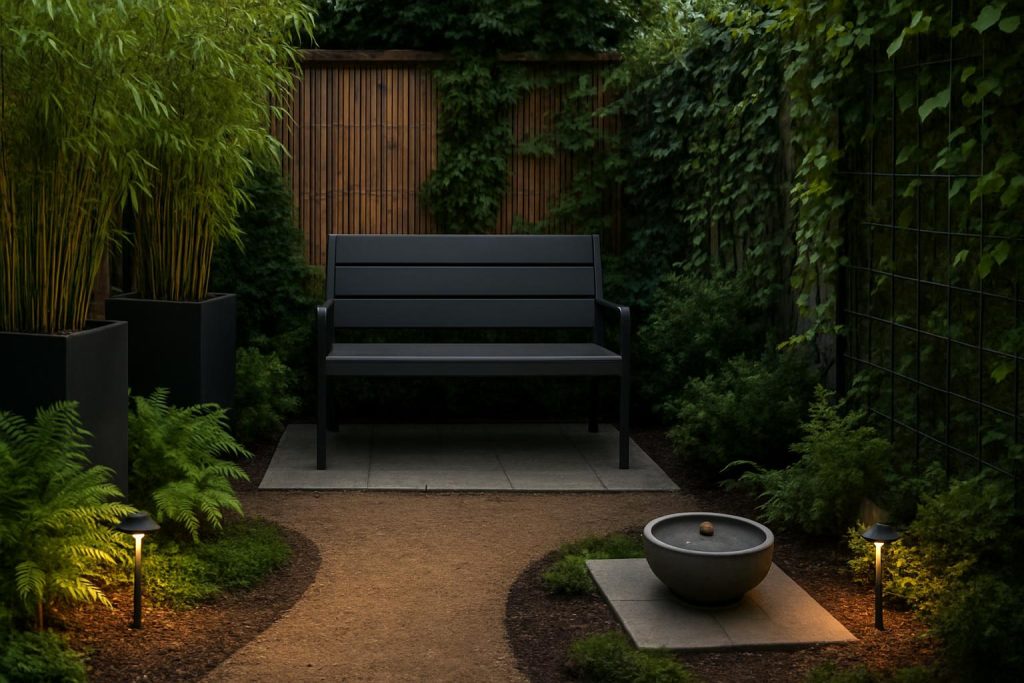
A secret garden is a private corner that feels calm, sheltered, and personal. It does not need a big yard or a large budget. With smart screening, layered plants, and simple paths, you can build a hidden oasis that works in almost any space. This guide walks you through planning, building, planting, lighting, and maintaining a secret garden you will use often.
Plan Your Hidden Oasis
Define Your Purpose
Decide what you want first. Reading nook, quiet tea area, morning stretch space, or a compact dining spot. Purpose guides size, layout, seating, and lighting. It also tells you how much privacy you need and when you use the space most.
Choose the Best Location
Pick a spot that is slightly out of the main view. Corners, side yards, a back corner of a deck, or the far end of a balcony work well. Notice sun, wind, and noise. If you need morning light, avoid deep shade. If you need afternoon shade, plan a canopy or shade sail. If traffic noise is high, plan sound masking early.
Measure and Sketch
Measure length, width, and any fixed features like doors, windows, AC units, or hose bibs. Sketch a quick plan. Mark the entrance, the main seat, and the focal point. Show where privacy is weakest. This is where screens, hedges, or trellises will go first.
Create Privacy Fast
Structural Screens and Fencing
If you can build, install a solid or louvered fence panel where sightlines are strongest. Cedar, composite, or metal screens last. Use lattice only where you want partial privacy. In rentals, use freestanding privacy screens or bamboo panels anchored in heavy planters. Place screens just inside the boundary to reduce exposure from above or from angled views.
Living Walls and Hedges
Plants soften hard edges and reduce echo. For fast results, mix evergreen shrubs and climbers. Arborvitae, privet, and cherry laurel build a year-round wall in many climates. Clumping bamboo creates height without spreading if you choose the right type and use containers or root barriers. Use trellises with jasmine, clematis, honeysuckle, or passionflower to cover vertical planes quickly.
Vertical Layers and Containers
Stack privacy in layers. Start with a screen, add a tall planter, then train a climber. Use large containers with narrow bases and wider tops to save floor space. Place tall potted evergreens at corners and beside seats to block sightlines. Stagger heights so there is no clear window through the planting.
Shape a Discreet Entrance
Gate and Arbor Choices
The entrance sets the tone and controls views. Use a narrow gate or an arbor to compress entry. A solid or louvered gate stops direct views. Keep the gate simple with a latch you can use one-handed. In rentals, an arbor or freestanding trellis aligned at a right angle to traffic hides the garden beyond.
Path Design for Concealment
A direct path invites a direct view. Use a gentle curve or an offset step so you cannot see the whole space from the entrance. Keep paths 60 to 90 cm wide to feel intimate yet passable. Break long sightlines with a planter, a bench end, or a low screen placed just off center.
Threshold Details and Hardware
Emphasize the threshold so entry feels intentional. A small step stone, a change in paver direction, or a simple doormat marks the shift. Use a latch that closes quietly. Add a low light near the latch for safe access at night.
Build the Bones
Pathways and Surfaces
Choose stable, quiet surfaces. Decomposed granite, compacted gravel with a stabilizer, pavers on sand, or composite decking are easy to maintain. Keep joints tight to limit weeds. Add a solid pad under seating to keep chairs level. If space is small, use one consistent material to reduce visual clutter.
Seating and Layout
Place seating where it faces greenery and away from busy views. A bench with a high back creates instant enclosure. Corner benches save space. Chairs with arms feel secure and are easier to stand from. If dining, allow at least 60 cm per person on a bench or chair. Add a small side table to keep the main seat clear.
Focal Points and Sightlines
Pick one focal point. A low water bowl, a sculptural pot, or a compact birdbath works in tight spaces. Align the focal point with the main seat and hide busy elements behind it. Remove visual noise like random tools and hoses. Store them out of sight.
Planting Strategy for a Lush Feel
Right Plant, Right Place
Match plants to sun, soil, and water. Check your climate and choose plants known to thrive locally. In deep shade, focus on texture with ferns, hosta, and evergreen shrubs. In sun, use fragrant shrubs, herbs, and grasses. Pick at least one evergreen layer so the space looks alive year-round.
Canopy, Shrubs, Groundcover
Use three layers for depth. A light canopy like a small tree or a pergola beam creates overhead shelter. Medium shrubs build the wall. Low groundcovers or edging soften the base and reduce weeding. Repeat the same three to five species for a calm look. Avoid overplanting. Leave space to move and clean.
Fast-Track Options
For speed, buy fewer but larger plants for key positions. Place them at corners, beside seating, and along the entrance. Fill the rest with smaller plants that grow in over time. Try clumping bamboo, arborvitae, privet, or fast climbers like jasmine and clematis on a sturdy trellis for quick privacy. Use mulch to lock in moisture and make the planting look finished on day one.
Sound, Light, and Microclimate
Mask Noise With Water and Plants
Water adds gentle sound and movement. A small recirculating fountain near seating masks noise without needing plumbing. Place it on a solid base to reduce splashing. Add rustling ornamental grasses and a dense hedge to absorb sound along the boundary. Avoid loud pumps. The goal is a soft, steady layer of sound.
Layered Lighting for Safety
Light only what you need. Layer low path lights at knee height to guide steps. Add warm string or low-voltage lights above eye level to lift the mood. Use shielded fixtures on timers or dusk sensors to reduce glare and power use. Keep fixtures away from direct views to avoid hotspots. Test at night and adjust.
Shade, Wind, and Temperature
Use a shade sail, an umbrella, or a narrow pergola beam where afternoons are harsh. Break wind with staggered screens and tall shrubs instead of one long solid wall. In cool zones, choose dark containers and stone that hold heat. In hot zones, use light colors and more mulch.
Small Spaces and Rentals
Balcony or Patio
Focus on vertical growth and movable pieces. Use a foldable bistro set, a slim bench with storage, and tall planters with trellises. Group containers in odd numbers to read as a unit. Keep the tallest plants at the back or along the railing for privacy. Choose lightweight materials that meet building rules.
Rent-Friendly Privacy
Use freestanding screens, bamboo panels in planters, outdoor curtains on tension rods, and containers with climbers. Avoid drilling into walls. Use rubber feet under screens to protect surfaces. At move-out, patch any small marks and take everything with you.
Storage, Care, and Safety
Hidden Storage
Clutter breaks the secluded feel. Use a storage bench for cushions and small tools. Add a narrow deck box behind a screen for potting soil and hoses. Keep a simple cleaning kit on hand with a brush, a bucket, mild soap, and microfiber cloths.
Maintenance Routine
Set a 15 minute weekly routine. Sweep paths, deadhead flowers, and check ties on climbers. Wipe water features and refill as needed. Every month, trim hedges lightly to keep form. In spring and fall, top up mulch and check irrigation. Clean algae from hard surfaces with a mild soap and water mix or a diluted vinegar solution if suitable for your surface. Rinse well.
Safety Checks
Test lights and replace weak batteries or bulbs. Secure loose pavers. Check pergola or screen anchors after storms. Keep pathways clear of overgrowth to reduce trips. Store fertilizers and tools out of reach of children and pets.
Budget and Timeline
Phased Approach
Phase one handles privacy, one seating zone, and a simple path. Phase two adds a water feature, lighting, and more plants. Phase three upgrades materials or expands. This keeps costs predictable and gives plants time to grow into their roles.
Save Versus Splurge
Save on decor and small pots. Splurge on the main screen, key evergreen shrubs, a quality hose and nozzle, and safe lighting. A solid screen and a comfortable seat set the mood every day. Cheap versions often need early replacement.
Quick Weekend Project Example
Day One Morning
Clear the area and measure. Mark the entrance and the main seat. Place a compact bench with a high back against the least attractive boundary. Set path edges with simple pavers or composite edging to define a gentle curve.
Day One Afternoon
Install a freestanding trellis panel behind the bench and a second panel near the entrance to block the main view. Place two tall planters with evergreen shrubs at the gate posts. Fill a third large planter with a fast climber and position it by the trellis.
Day Two Morning
Lay decomposed granite or gravel along the path and compact it. Mulch planting areas deeply. Install a small recirculating fountain near the bench on a stable paver. Coil a hose neatly and tuck it behind a screen.
Day Two Afternoon
Add path lights at knee height and a warm string light above the seat. Place a side table and a washable outdoor cushion. Do a final sweep. Sit down and note any gaps in privacy, then adjust plant positions six to eight inches as needed.
Design Tips That Work
Limit the Palette
Use one or two materials and three to five plant species. Repetition creates a calm look and speeds decisions. Keep accent colors to small items like cushions or one ceramic pot.
Control the Views
Always test sightlines from the entrance, the house, and the neighbor side if visible. Sit in the main seat and check what you see at eye level. Raise or lower screens or planters to remove gaps.
Think Maintenance While You Design
Leave access around water features, lights, and hose bibs. Keep plant beds shallow near hard edges so sweeping is easy. Avoid tiny gravel that scatters; use compacted gravel or pavers for stable edges.
Eco-Friendly Choices
Water Wise
Use drip irrigation or a simple soaker hose on a timer. Group plants by water needs. Mulch with shredded bark or leaves to reduce evaporation. Collect rainwater in a barrel if local rules allow.
Native and Pollinator-Friendly
Choose native shrubs and perennials that suit your site. Add a few long-blooming plants for bees and butterflies near the focal point where you can enjoy the activity. Avoid pesticides unless absolutely necessary.
Common Mistakes to Avoid
Too Many Small Plants
Do not overcrowd with many small pots. Use fewer, larger elements to build structure, then fill in over time.
Ignoring Noise and Light
Do not wait to address noise and lighting. Add the fountain and path lights early. It makes the space usable right away.
Flat Planting
Do not plant everything at the same height. Layer canopy, shrubs, and groundcovers to create depth and better privacy.
Conclusion
A secret garden works because it edits what you see, hear, and feel. Start with privacy and a clear purpose. Build simple paths and a comfortable seat. Add layered plants, quiet water, and safe light. Keep storage hidden and care simple. With a focused plan and a few strong moves, you can create a hidden oasis that feels calm every day.
FAQ
Q: What is the quickest way to add privacy to a secret garden?
A: Combine freestanding screens or bamboo panels with a trellis and fast climbers, then fill gaps with tall potted evergreens for instant height.
Q: How do I design a hidden entrance that feels private?
A: Use a narrow gate or arbor positioned out of direct sight, add a simple latch, and frame the opening with dense plants or a trellis.
Q: Which plants give fast privacy in most climates?
A: Try clumping bamboo, arborvitae, privet, or fast climbers like jasmine and clematis on a sturdy trellis.
Q: How can I mask street noise in a small space?
A: Install a small recirculating fountain near seating and add rustling ornamental grasses and a dense hedge to absorb sound.
Q: How should I light a secret garden safely at night?
A: Layer low path lights at knee height, add warm string or low-voltage lights above eye level, and use shielded fixtures on timers or dusk sensors.