
We are reader supported. When you purchase through links on our site, we may earn an affiliate commission. Also, as an Amazon affiliate, we earn from qualifying purchases.
Pet hair loves wool. The soft fibers grip fur, the fabric builds static, and suddenly your elegant coat looks fuzzy. The good news: you can remove pet hair from a wool coat quickly and safely with the right tools and gentle techniques. This guide gives you 11 beginner-friendly methods, plus professional tips to prevent hair from sticking in the first place. Everything here is wool-safe when done carefully, so you can refresh your coat without damage.
Before You Start: Simple Prep Steps
Read the care label first. If your coat is labeled “dry clean only,” you can still remove surface hair at home using the methods below, but avoid soaking, heat, or aggressive scrubbing.
Hang the coat on a sturdy hanger. A hanging coat is easier to brush from top to bottom. Work in good light so you can see the hair and your progress.
Test first. Before trying a new method, test it on a hidden area (inside hem or facing) to be sure it does not mark, snag, or leave residue on the wool.
Work gently and in one direction. Wool is resilient but can pill or distort if you rub back and forth. Most methods work best with light, downward strokes.
Why Wool Holds Pet Hair
Wool fibers are slightly scaly and textured. Those tiny scales can trap fine hairs as you move. Static electricity also makes stray fur cling to the surface. Dry winter air and friction from scarves or bags add to the problem. Removing hair is about two things: lifting hair off the fiber tips and reducing static so hair stops re-clinging as you work.
11 Ways to Remove Pet Hair From a Wool Coat
1) Use a Proper Clothes Brush
A natural-bristle clothes brush is a classic for a reason. The bristles are firm yet gentle and designed for wool tailoring. Hang the coat, then brush in short, downward strokes from shoulders to hem. Focus on high-friction zones like sleeves, belly, and back. Tap the brush against a trash can to release collected hair as you go. This method is safe for daily use and helps keep the nap of the wool looking smooth.
2) Go-To Disposable Lint Roller
A standard lint roller is fast and beginner-friendly. Choose a medium-tack roller instead of very strong adhesive. Roll downward with light pressure, lifting and replacing sheets as they fill. Avoid grinding the roller into the fabric. For seams and buttons, press gently and roll in small sections. If you notice the roller pulling fibers rather than just hair, switch to a gentler method like a clothes brush or silicone brush.
3) Washable Silicone Lint Brush
Reusable silicone lint brushes or rubberized lint tools are great for wool because they pick up hair without sticky residue. Use light, steady strokes in one direction. When the tool is covered in hair, rinse under warm water, shake off, and keep going. These tools are kinder to delicate fabrics than strong tape and are good for long coats that need frequent touch-ups.
4) Damp Rubber Glove Trick
Put on a clean rubber glove, lightly dampen the palm with water, then swipe down the coat in smooth, gentle strokes. The slight moisture and tackiness gather hair into clumps you can pinch away. Rinse the glove when it gets loaded so you do not redeposit hair. This is a great method for heavy, embedded hair and costs almost nothing. Keep your touch gentle to avoid disturbing the wool’s surface.
5) Slightly Damp Microfiber Cloth
A microfiber cloth lightly misted with water can lift hair without snagging. Wring it out well so it is just barely damp. Wipe downward in long strokes, folding the cloth often to expose a clean area. If static is intense, you can add one drop of a gentle fabric softener to a cup of water, mist the cloth, and test on a hidden spot first. Do not soak the coat. Light moisture is enough to detatch hair.
6) Wipe With a Dryer Sheet
A new, unscented dryer sheet wiped lightly across the fabric can reduce static and grab fine hair. Use soft, downward swipes; then follow with a brush or lint roller to finish. This is especially useful on dry winter days. Avoid over-rubbing with dryer sheets on very dark coats if you notice residue; if so, switch to the damp microfiber method.
7) Gentle Steaming Plus Brushing
Steam loosens static and relaxes fibers so hair releases more easily. Hang the coat and use a garment steamer on the lowest setting. Keep the steamer head a few inches away; do not press it to the fabric. Lightly pass steam over a panel, then immediately brush with a clothes brush to sweep hair away while the fabric is slightly warm and relaxed. This method also freshens the coat and helps restore the nap.
8) Anti-Static Mist (Store-Bought or DIY)
A quick anti-static spritz prevents hair from re-clinging as you work. Use a garment-safe anti-static spray or make a light DIY version: mix one cup of water with one to two tablespoons of white vinegar in a fine mist bottle. Lightly mist the air around the coat and a whisper over the coat from a distance, then brush or roll. Always test first and avoid over-wetting the wool. Vinegar smell fades as it dries and helps cut static.
9) No-Heat Dryer Tumble With Dryer Balls
If your care label permits, place the coat in a large-capacity dryer on air-fluff or no-heat for five to ten minutes with two to three clean dryer balls. The tumbling knocks loose hair, and the balls help sweep it away. Add a clean, slightly damp microfiber cloth to reduce static further. Do not use heat; heat can shrink or felt wool. Remove promptly and brush to finish. This method is great before a deep brush-out, especially after heavy pet contact.
10) Vacuum With an Upholstery Tool
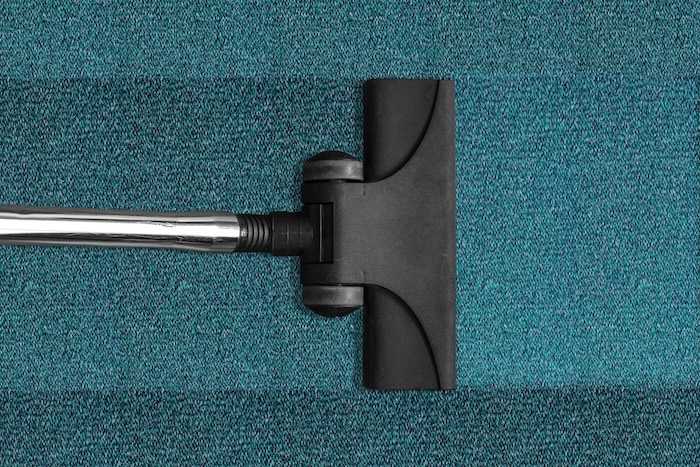
A vacuum is powerful for stubborn hair, but you must protect the wool. Fit the upholstery attachment and set suction to low. Cover the nozzle with a piece of clean pantyhose or a mesh laundry bag to prevent pulling fibers. Hold the fabric taut with one hand and vacuum in downward passes. If you hear the fabric “slapping” or see distortion, reduce suction. Follow with a clothes brush to align the nap.
11) Rubber Squeegee for Stubborn Spots
A small, clean rubber squeegee (the kind for windows) can gather hair on smooth, sturdy wool coats. Use a light touch and short downward pulls. Test first and avoid aggressive pressure on soft, loosely woven wools. This trick works well on sleeves, pocket areas, and the back panel where hair can mat into the surface. Finish by brushing to smooth the nap.
Combining Methods for Faster Results
For heavy hair, stack methods in a smart order: reduce static first, then lift hair, then finish-smooth. A simple sequence is anti-static mist or a light steam, followed by a silicone brush or damp glove, then a clothes brush to refine the nap. For everyday maintenance, a quick wipe with a dryer sheet plus a few passes with a roller is often enough. When you come in from a pet cuddle session, a 5-minute routine prevents buildup that becomes harder to remove later.
Extra Tips for Tricky Areas
Seams and cuffs trap hair. Pinch the fabric to open the seam ditch and roll or brush inside it. For buttons and plackets, use the corner of a microfiber cloth or the edge of a silicone brush. On collars and lapels, brush from the outer edge inward, then downward, to avoid driving hair into the roll line. For linings, a lint roller or a quick vacuum pass keeps static down and stops hair from migrating back to the outer fabric.
Prevention: Keep Hair From Sticking in the First Place
Brush your pet regularly. Less loose fur means less on your coat. A quick daily groom for shedding seasons makes a big difference.
Reduce static in your home. Use a small humidifier near your entryway during dry months. Slightly higher humidity greatly cuts static cling.
Pre-treat the coat. Before leaving home, lightly mist a garment-safe anti-static spray or use a dryer sheet wipe on high-friction zones like sleeves and sides.
Store the coat well. Hang it on a wide, supportive hanger in a breathable garment bag. Avoid laying it across sofas or car seats that collect pet hair.
Keep a mini tool on-the-go. A travel lint roller or small silicone brush in your bag lets you fix hair before it sets in with friction.
Choose complementary colors for daily wear. If you have a white cat, a light gray or camel coat will show less hair than black, and vice versa.
What to Avoid With Wool
Avoid strong adhesives like duct tape. They can distort fibers, pull at the nap, and leave sticky residue that attracts even more hair.
Do not use high heat. Hot dryers, hot irons, or pressing steam heads directly to the fabric can shrink or glaze wool.
Skip aggressive scraping. Pumice stones and sweater stones are for pills, not hair, and can rough up the surface if misused.
Do not overwet the coat. Wool soaks up water and can lose shape. Use only light misting and allow to dry fully on a hanger away from direct heat.
Troubleshooting Common Problems
If hair keeps reappearing as you clean, you are fighting static. Add a small anti-static step first: run a humidifier for a few minutes, lightly mist an anti-static spray, or steam and air-dry for a minute before brushing.
If the coat looks fuzzy afterward, you may be brushing too hard or in both directions. Switch to gentler, one-way strokes and a softer brush. Finish with a final top-to-bottom pass to lay fibers smoothly.
If adhesive residue appears from a roller or tape, stop and blot gently with a clean, slightly damp microfiber cloth. Let it dry, then brush. For stubborn residue, a tiny drop of diluted mild wool detergent on the cloth, tested first, can help.
A Quick Routine You Can Repeat
After wearing the coat around pets, hang it and give it a light once-over with a clothes brush. If you see cling, do a fast dryer sheet wipe or a few passes with a silicone brush. For heavy days, add a 1–2 minute steam and brush. This routine takes three to five minutes and keeps hair from building up so you need fewer deep cleanings.
When to Seek Professional Help
If hair seems embedded and the coat also needs deodorizing or stain removal, take it to a trusted dry cleaner. Mention pet hair so they can pre-brush before cleaning. Professional pressing also restores the coat’s shape and surface after a season of wear.
Frequently Asked Questions
Can I put my wool coat in the washer to remove hair?
No. Agitation and water can shrink or felt wool. Use surface-removal methods and professional cleaning when needed.
Is tape safe on wool?
Use only low-tack tape, gently, for small areas. Strong tapes can damage fibers. A silicone brush or clothes brush is safer.
Will a fabric shaver remove pet hair?
Fabric shavers are for pills, not hair. Using one for hair can cut fibers or create bald spots. Stick to brushes, rollers, and gentle lifts.
Conclusion
Removing pet hair from a wool coat is simple once you pair gentle tools with light, one-way strokes and a bit of anti-static help. Start with a clothes brush or silicone brush, add a damp glove or microfiber wipe when needed, and use steam or a no-heat tumble to loosen stubborn cling. Avoid strong adhesives and high heat, and keep a quick daily routine so hair never gets the chance to build up. With these 11 easy methods, your wool coat will stay clean, smooth, and ready for every outing—pets included.