
We are reader supported. When you purchase through links on our site, we may earn an affiliate commission. Also, as an Amazon affiliate, we earn from qualifying purchases.
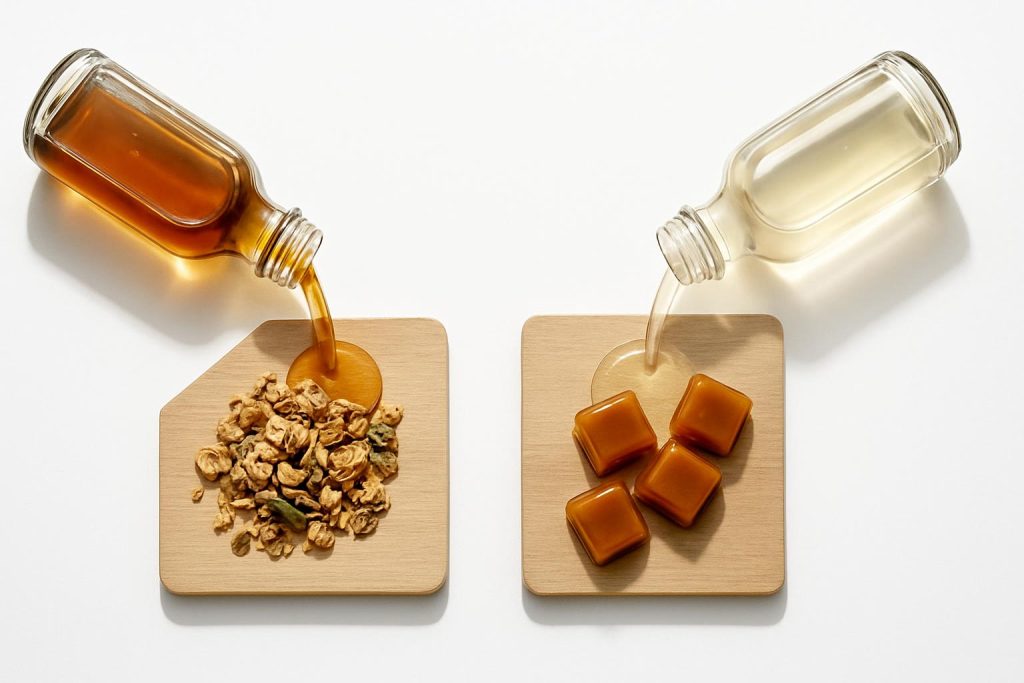
Oligo syrup and corn syrup look similar in the bottle but behave very differently in your kitchen. If you are trying to pick the right one for cooking, baking, organizing your pantry, or keeping clean counters free of sticky messes, this guide breaks it down in plain language. You will learn what each syrup is, how they are made, how they taste, how they perform in recipes, how they affect digestion, and how to store and clean them with zero fuss.
What Is Oligo Syrup
Basic definition
Oligo syrup is a family of syrups rich in oligosaccharides. Oligosaccharides are short chains of sugars linked together. Common types include isomalto-oligosaccharides, fructo-oligosaccharides, and galacto-oligosaccharides. These syrups are popular in East Asian kitchens and in high-fiber snack products because some of them act as prebiotics.
How it is made
Manufacturers start with a starch or sugar source such as corn, tapioca, wheat, or sugar beets. Enzymes convert these into short-chain carbohydrates. The result is a thick, clear to amber syrup with varying sweetness. Some products are blended with other sweeteners to adjust taste and texture, so labels matter.
Flavor, sweetness, and texture
Oligo syrups are usually less sweet than table sugar. Isomalto-oligosaccharide syrup is roughly half to two-thirds as sweet as sugar. Fructo-oligosaccharides often taste milder, around one-third to one-half as sweet. Texture is thick and glossy, similar to corn syrup, with good binding ability in granola and snack bars.
Nutrition and digestion
Some oligosaccharides resist digestion in the small intestine and are fermented by gut bacteria in the large intestine. This can offer prebiotic effects for some people. It can also cause gas or bloating in sensitive individuals. Claims about low glycemic impact vary by product, and not all oligo syrups meaningfully lower blood sugar responses. People on a low FODMAP diet often react to FOS and GOS, and many also react to IMO, so portion control and trial are important.
Common uses
Oligo syrup works well as a mild, clean-tasting binder in granola bars, protein balls, and cereal clusters. It adds shine to glazes and sauces without overwhelming sweetness. It is common in Korean cooking for glossy stir-fry sauces and marinades because it provides body and a subtle sweetness without dominating the dish.
What Is Corn Syrup
Basic definition
Corn syrup is a syrup made by breaking down corn starch into glucose and related sugars. It is not the same as high-fructose corn syrup. Standard corn syrup is mostly glucose-based and has a neutral taste and strong anti-crystallization power, which is why bakers rely on it for candies and smooth sauces.
How it is made
Manufacturers use acids and enzymes to hydrolyze corn starch into a mixture of glucose, maltose, and longer chains. The process is tuned to reach a target dextrose equivalent, which affects sweetness and thickness. The syrup is filtered, concentrated, and sometimes clarified for a clear appearance.
Flavor, sweetness, and texture
Corn syrup has a clean, neutral flavor. Its sweetness is typically lower than table sugar, often in the 45 to 65 percent range depending on formulation. It is thick, pourable, and excellent at keeping sugar crystals from forming. That makes it ideal for caramels, marshmallows, and glossy sauces.
Common uses
Use corn syrup for candies, frostings, pecan pie, caramel sauce, and any recipe that needs smooth texture without grittiness. It also helps cookies stay soft and adds sheen to glazes. In sauces, it provides body and prevents graininess.
Oligo Syrup vs Corn Syrup at a Glance
Source and composition
Oligo syrup contains short-chain carbohydrates that may be partially fermentable by gut bacteria. Corn syrup is mostly glucose and short glucose chains. Both can be made from corn starch, but their carbohydrate structures and functions differ.
Sweetness
Oligo syrup is usually less sweet than corn syrup. Expect to add a little extra sugar or honey if swapping oligo syrup into a dessert. Corn syrup gives a reliable, mild sweetness that most American recipes are built around.
Crystallization control
Corn syrup excels at preventing crystallization in candies and syrups. Oligo syrups vary. Some help, but many do not match corn syrup for high-heat candy work. For brittle, toffee, and pulled sugar, corn syrup is usually the safer choice.
Browning and heat stability
Corn syrup supports caramelization and Maillard browning under high heat, giving expected color and flavor in candies and baked goods. Oligo syrups often brown less and can break down unpredictably at high temperatures, which may affect texture and flavor in candy recipes.
Digestive tolerance
Some people tolerate corn syrup well because it is primarily glucose. Oligo syrups can cause gas or bloating, especially FOS and GOS. IMO can also trigger symptoms in many people despite low-calorie marketing. Start with small amounts if you are sensitive.
Glycemic impact
Corn syrup raises blood sugar similarly to other glucose-based syrups. Oligo syrups may have a lower impact for some, but the effect is product dependent and portion dependent. For anyone managing blood sugar, test small servings and monitor response.
Allergens and ingredients
Both can be derived from corn. If you avoid corn, check labels for the starch source. Some oligo products are made from tapioca or wheat. If gluten is a concern, verify certification. For genetically modified concerns, look for products labeled non-GMO.
Availability and price
Corn syrup is widely available and low cost. Oligo syrups are more common in Asian markets and health stores and can cost more. Online shops often carry multiple types with different fiber percentages.
How They Perform in Real Recipes
Candy making
For brittle, toffee, marshmallows, pulled sugar, and smooth caramels, corn syrup is the reliable choice. It resists crystallization and tolerates high heat. Oligo syrups can become too sticky, may not set firmly, and can produce inconsistent textures in high-heat candy stages.
Baking cookies and cakes
Corn syrup adds chew and moisture in cookies and helps cookies spread moderately. It also gives a gentle sheen to glazes. Oligo syrup adds moisture and binding but with less sweetness and sometimes less browning. Expect slightly paler cookies and a softer bite. For cakes, small amounts of either can help retain moisture, but do not overuse or you risk a gummy crumb.
Cold drinks and sauces
Both dissolve well. Corn syrup contributes predictable sweetness and body in cold brew, iced tea syrups, and chocolate sauce. Oligo syrup gives body with less sweetness, useful when you want texture without a sugar punch. In vinaigrettes and marinades, oligo syrup sticks to ingredients and gives a glossy coat.
Granola bars and clusters
Oligo syrup shines as a binder for no-bake bars, seeded crackers, and nut clusters. It helps hold pieces together while keeping sweetness moderate. If the bars crumble, warm the mixture slightly and press firmly into the pan, or add a little extra syrup for better binding.
Substitution Guide
Replacing corn syrup with oligo syrup
Start 1 to 1 by volume in sauces, glazes, and no-bake bars. Because oligo syrup is less sweet, add 10 to 25 percent more sugar or honey to match taste. For candymaking, avoid a full swap. If you must try, keep the candy at the soft-ball range and be ready for a softer set.
Replacing oligo syrup with corn syrup
Use 1 to 1 in most savory sauces and glazes, then reduce other sugars slightly to avoid oversweetening. In cereal bars, corn syrup will bind well but taste sweeter. Reduce added sugar or dried fruit to balance. In marinades, thin with a splash of water if the glaze is too thick.
Pantry and Storage Tips
Best containers and conditions
Keep both syrups in airtight containers at room temperature, away from heat and sunlight. Wipe the rim before sealing to prevent dried crusts that glue the cap shut. A squeeze bottle with a flip-top cap reduces drips and keeps your shelf clean.
Shelf life and quality
Unopened syrups last many months. Opened syrups remain safe for a long time because low water activity limits microbial growth. If you see sugar crystals in corn syrup, warm the bottle in a bowl of hot water and stir gently. If an oligo syrup separates or thickens, warm and stir until smooth.
Preventing sticky build-up
Decant a working bottle for daily use and keep the bulk container sealed. Label the bottle with the product name and the open date. Store on an easy-wipe shelf liner to make cleanup fast.
Cleaning Up Sticky Syrup Messes
Countertops and stovetops
Wipe fresh drips immediately with a damp microfiber cloth. For dried spots, lay a cloth soaked in warm water and a drop of dish soap on the area for two minutes, then wipe. Rinse with clean water and dry to remove residue and prevent dust from sticking.
Cabinets, handles, and floors
Use warm water with a small amount of dish soap. Wring the cloth well to avoid streaks on wood or laminate. Follow with a plain water wipe and dry with a towel. For floors, mop with warm water and a neutral pH cleaner. Rinse high-traffic spots so they are not tacky.
Fabric and clothing
Rinse the spot with lukewarm water to dissolve the syrup. Apply liquid laundry detergent directly and work it in gently. Soak for 10 to 15 minutes. Wash as usual. Air dry first. Heat from a dryer can set any remaining stain.
Cookware
Fill the pan with warm water and a little dish soap. Let it sit for 10 minutes. Use a non-scratch sponge. Avoid abrasive pads that haze stainless steel or damage nonstick coatings.
Reading Labels and Buying Smart
What to look for
Check the carbohydrate type and percentage of oligosaccharides if you are buying oligo syrup. Look for the starch source if you avoid corn or wheat. Check fiber claims and serving sizes. For corn syrup, verify whether it is light or dark and whether any flavoring or salt is added.
Non-GMO and certifications
If non-GMO is important to you, buy products clearly labeled as such. For gluten concerns, look for certification if the syrup is made from wheat or processed in mixed facilities.
Price comparisons
Compare by price per 100 grams or per ounce. Bulk sizes often save money. If you use syrup only occasionally, buy smaller bottles to avoid long storage times and reduce the chance of sticky caps and crystallization.
Health and Tolerance Notes
Digestive comfort
Introduce oligo syrups slowly, especially FOS and GOS. Many people experience bloating or gas even at moderate servings. IMO can also cause symptoms for some. If you follow a low FODMAP plan, use caution and small portions.
Blood sugar management
Corn syrup is glucose heavy and can raise blood sugar quickly. Oligo syrups can vary widely. Do not assume a low response. Test small portions and monitor your individual reaction. Work with your health professional if unsure.
Dental care
All syrups can promote tooth decay with frequent exposure. Rinse your mouth with water after sticky snacks, and avoid sipping sweetened drinks over long periods.
Quick Decision Guide
If you are making candy
Choose corn syrup for reliability. It prevents crystallization and handles high heat well.
If you want a mild binder for bars
Choose oligo syrup for body with less sweetness. Press the mixture firmly and chill to set.
If you are sensitive to digestive upset
Start with small amounts of either. Many people tolerate corn syrup better than FOS or GOS. Test IMO cautiously.
If you want less overall sweetness
Oligo syrup gives texture without the same sugar punch. Adjust other sweeteners to taste.
If you need maximum availability and low cost
Corn syrup is easier to find and cheaper in most supermarkets.
DIY Alternatives You Already Have
Rice syrup
Thick, mild, and about half as sweet as sugar. Good for granola bars and glazes. Less effective than corn syrup for high-heat candy.
Honey
Sweeter than sugar and distinct in flavor. Good for sauces and no-bake bars. Can promote browning and may crystallize over time. Do not use for infants under one year due to botulism risk.
Maple syrup
Distinct flavor and thinner texture. Better for sauces and dressings than for binding bars. Reduce other liquids if swapping into baking.
Simple syrup
Combine equal parts sugar and water and heat until dissolved. Good for cold drinks and some sauces. Not a corn syrup replacement for candy because it crystallizes more readily unless inverted.
Homemade invert-style syrup
Simmer sugar with water and a small amount of acid such as lemon juice until slightly thickened and clear. This reduces crystallization compared to plain simple syrup but still does not match corn syrup for hard candies.
Practical Kitchen Workflow Tips
Measure with less mess
Lightly oil a measuring cup or use a silicone cup so syrup slides out cleanly. Or weigh syrups directly in the mixing bowl to skip scraping.
Stage ingredients
If a recipe uses syrup as a binder, have all dry ingredients pre-measured. Mix quickly while the syrup is warm so it coats evenly and sets with a smooth finish.
Label and rotate
Write the open date on each bottle. Store syrups you use most at eye level. Keep specialty syrups in a bin so sticky rings do not spread to shelves.
Common Mistakes to Avoid
Using oligo syrup for hard candies
It often will not set as firmly and can turn tacky. Save it for glazes, sauces, and bars.
Over-sweetening when swapping corn syrup
Corn syrup can push a recipe over the edge if you also use a lot of sugar or honey. Reduce other sugars slightly and taste as you go.
Ignoring tolerance
Do not assume a prebiotic claim means gentle for everyone. Start small and assess how you feel.
Conclusion
Oligo syrup and corn syrup are not interchangeable twins. Corn syrup wins for classic candy texture, consistent crystallization control, and broad availability. Oligo syrup offers mild sweetness, strong binding for bars, and possible prebiotic effects, with the tradeoff of variable sweetness and potential digestive sensitivity. Choose by task first, then by taste and tolerance. Keep your bottles clean, label them clearly, and store them smartly. With the right syrup in the right recipe, you get better texture, smoother results, and a neater kitchen.