
We are reader supported. When you purchase through links on our site, we may earn an affiliate commission. Also, as an Amazon affiliate, we earn from qualifying purchases.
Old Mexican house ideas bring warmth, soul, and practical comfort into daily life. You get earthy materials, handcrafted detail, and friendly spaces that invite people to gather. You also get a style that works with real life. Floors stand up to traffic. Walls breathe. Patina grows better with age. If you want a home that feels calm, human, and easy to maintain, keep reading. You will learn what to keep, what to add, and how to care for it all with simple steps.
This guide is beginner friendly. You will see clear color choices, core materials, simple DIY steps, and safe cleaning methods. You will also learn how to plan storage, set a maintenance routine, and control moisture without losing charm. Pick one idea to start this weekend, then stack changes over time for a strong result.
Understanding Old Mexican House Style
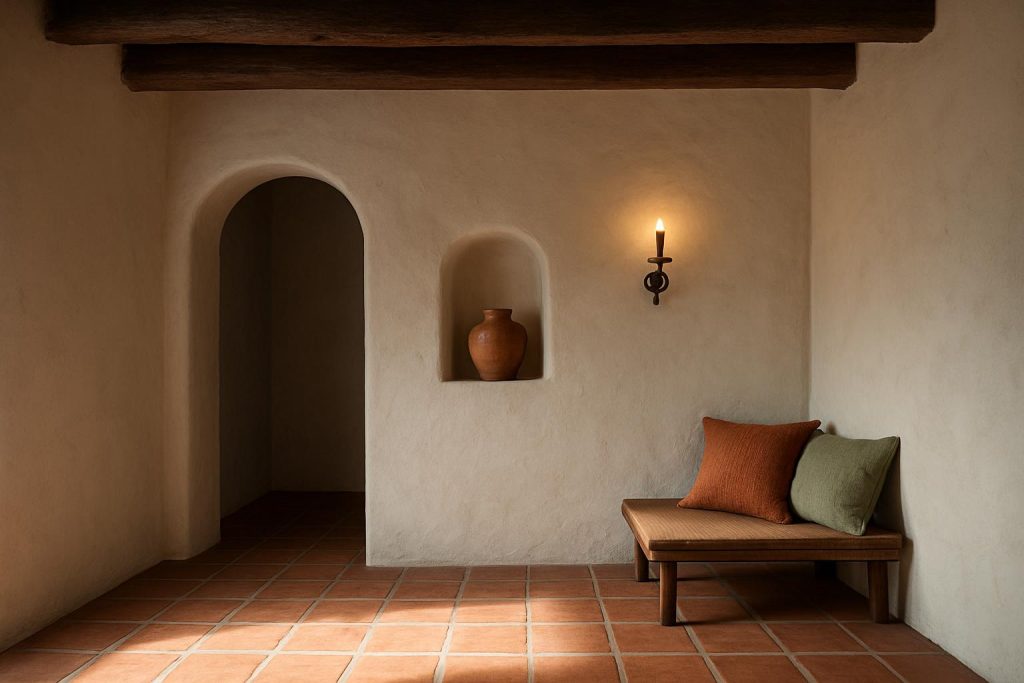
Old Mexican homes are about natural materials, skilled craft, and layered texture. Adobe, lime plaster, wood beams, clay tile, and hand painted details form the base. The look is grounded and lived in, not polished. Patina is not a flaw. It is the design.
The key is balance. Use warm neutrals as the canvas. Add saturated color in controlled blocks. Mix rough and smooth. Keep floor plans simple, with an easy path for air and light. Function always supports the mood.
Core Color Palette and Finishes
Start with warm whites, creamy limewash, and sand tones. Add terracotta, ochre, deep cobalt, sage green, and brick red in doors, textiles, or tiles. Keep black or oil rubbed bronze as grounding accents in hardware and window grills.
Favor matte or low sheen finishes. Limewash on walls softens light and hides minor flaws. Unsealed or lightly sealed wood stays honest. Clay tile with a thin sealer looks natural and is easy to refresh.
Materials That Matter
Clay, lime, wood, and iron define the style. These materials age well and are repairable. Avoid glossy plastic, high lacquer, and cold chrome. Choose handmade when you can. Small irregularities add warmth.
When you combine materials, keep contrast simple. Clay floor, limewashed wall, dark wood beam, iron pull. That is enough.
Floors: Saltillo, Terra Cotta, and Care
Saltillo and terracotta clay tiles set the tone. They are porous, warm underfoot, and forgiving to scuffs. Set tiles in a simple grid or diagonal. Leave a modest grout line in a sandy beige or warm gray.
Daily care is simple. Dry sweep or vacuum with a soft brush. Damp mop with warm water and a pH neutral cleaner. Avoid acids and bleach. Vinegar and lemon will etch the surface.
Sealing is key. Test a drop of water. If it darkens fast, reseal. Use a penetrating sealer for a natural look. Apply in thin coats, wipe excess, and allow full cure. Reseal every one to three years based on traffic.
Walls: Adobe, Plaster, and Limewash
Adobe and lime plaster breathe and regulate humidity. They also cover cracks with grace. To refresh walls with limewash, work in small sections.
Step one, prep. Dust the wall and patch holes. Dampen the surface with a spray bottle.
Step two, mix. Use lime putty or hydrated lime with clean water. Add mineral pigment if you want color. The mix should be like thin cream.
Step three, apply. Use a wide brush in crisscross strokes. Allow each coat to dry before the next. Two to three coats give depth.
Safety first. Wear gloves, goggles, and a mask. Lime is alkaline. Protect skin and eyes.
Arches, Niches, and Built ins
Arches soften doorways and hall transitions. Niches add display and storage without clutter. Use a low arch or a simple square niche with a wood or talavera tile sill. Keep dimensions practical. A niche at eye level for art, a deeper one near the entry for keys, or a tall one near the dining area for pottery.
Finish niches in limewash or tile. Add a small sconce above for a gentle glow.
Doors, Beams, and Hardware
Solid wood doors with simple panels anchor the look. Exposed wood beams can be structural or added as cladding. Keep finishes low sheen. A light wax or penetrating oil is enough.
Iron and brass hardware add weight. Clean hardware with a damp cloth. Remove light rust with fine steel wool. Wipe dry and seal with paste wax or a thin coat of mineral oil. Repeat seasonally.
Textiles and Patterns That Work
Use striped or diamond woven rugs, embroidered cushions, and simple cotton curtains. Limit the palette to two or three colors per room. Let one pattern lead and keep others quiet. Natural fibers breathe and suit the climate if you live warm.
Rotate textiles with the seasons. Lighter cottons in summer, layered wool in winter. Air rugs outdoors and tap to release dust. Spot clean with mild soap and water. Avoid hot water that can set stains.
Furniture and Layout for Flow
Choose wood furniture with clean lines. Let the grain show. A sturdy table, ladder back chairs, a carved chest, and a simple bench set a strong foundation. Keep furniture off the walls to allow air to circulate.
Group seating around a low table. Leave clear paths to doors and windows. Add a woven basket near seating for throws, a tray for candles, and a low cabinet for games or books.
Kitchen Details and Upkeep
Old Mexican kitchens center on clay, stone, and tile. Talavera backsplashes bring color. Open shelves show pottery and tools. A farm style sink in clay or copper fits well.
Care tips matter. Do not use acidic cleaners on talavera or cement tile. Wipe spills fast. Clean with pH neutral soap and warm water. Dry after washing to avoid mineral marks.
For copper sinks, wash with mild soap, rinse, and dry. Let the natural patina form. If you prefer more protection, apply a food safe wax and buff lightly.
Bathroom Solutions for Moisture and Style
Bathrooms need airflow. Use a quiet exhaust fan and crack a window when showering. Lime plaster can handle humidity if well cured. Seal grout and cement tile with a penetrating sealer.
Keep the palette calm with white or sand walls and one strong color on a vanity or mirror frame. Use wrought iron towel bars and a clay or stone soap dish. Dry surfaces after use to prevent water spots and mold.
Lighting: Warmth and Shadow
Layer light. Use a mix of wrought iron pendants, wall sconces, and table lamps with warm bulbs. Avoid cold daylight tones. Aim for warm white. Use opaque or punched metal shades to create soft pools of light.
Place switches where your hand falls naturally. Add dimmers in living and dining areas for evening mood.
Courtyards and Indoor Outdoor Living
A small patio can act like a room. Use terracotta pavers, a simple fountain, and potted agave or rosemary. Add a bench with washable cushions. String lighting can work if subtle and warm.
Plan drainage. Slope the floor away from the house. Keep gutters clear. Seal the base of exterior walls with lime render to help shed water. Sweep leaves often to prevent stains on clay floors.
Organizing the Mexican Way
Storage blends into structure. Use built in niches, thick shelves, and peg rails. Keep baskets of palm or sisal for daily items. Clay jars hide utensils. A carved trunk stores blankets and adds seating.
Set zones. Entry for keys and shoes, kitchen for tools you use daily, living room for books and throws. Label baskets on the inside rim for a clean look.
Cleaning Methods That Protect Patina
Use the gentlest method that works. Dust first. Vacuum with a soft brush. Mop with pH neutral soap and warm water. Spot test any cleaner on a hidden area.
For limewashed walls, avoid scrubbing. Use a dry cloth or a soft brush to lift dust. For stains, dab with a barely damp sponge and let dry. Recoat with a thin limewash layer if needed.
For talavera and cement tile, avoid acid. For iron hardware, avoid water sitting on surfaces. For wood, avoid silicone polishes. Use a light beeswax balm instead.
Maintenance Schedule and Quick Checks
Weekly. Sweep or vacuum floors. Damp mop high traffic areas. Dust beams, shelves, and window sills. Air rugs outdoors.
Monthly. Inspect tile sealer by watching water bead. Check for rust on hardware and apply wax. Wipe cabinet doors and oil hinges if squeaky.
Seasonally. Reseal clay floors if water no longer beads. Clean gutters and check exterior plaster for hairline cracks. Touch up limewash on scuffed areas. Condition wood beams with a natural oil or beeswax if dry.
DIY Projects You Can Do This Weekend
Limewash a feature wall. Prep, dampen, brush two coats, and let cure. This softens the room and hides small flaws.
Seal saltillo or terracotta. Clean, dry, then apply a penetrating sealer in thin coats. Wipe excess to avoid shine. Let cure before moving furniture.
Stencil a talavera inspired border. Use painter tape and low VOC paint over a sealed surface. Keep patterns simple and repeat evenly.
Refresh iron hardware. Remove, scrub light rust with fine steel wool, wipe clean, and seal with paste wax. Reinstall firmly.
Build a wall niche. Cut between studs, add a simple box, trim the edge with wood or tile, and limewash. Use a small sconce above if wiring allows.
Budget Tips and Smart Sourcing
Focus budget on floors and walls. Save on decor. Shop reclaimed wood, flea markets, and local makers. One or two talavera accents can transform a room. You do not need full coverage.
Buy fewer, better textiles. Rotate rather than accumulate. Use simple clay pots and baskets for impact at low cost. Paint and limewash deliver the biggest change per dollar.
Safety and Preservation Basics
Old materials need gentle care. Do not trap moisture. Let walls breathe. Avoid heavy plastic paints over lime plaster. Use breathable products like limewash or mineral paint.
Check for pests and gaps. Seal cracks at baseboards and around windows. Use door sweeps. Sprinkle food grade diatomaceous earth in hidden areas if needed. Keep firewood outside.
Watch for moisture. Use exhaust fans, dehumidifiers in damp zones, and cross breezes. Protect floors from plant watering with trays. Fix roof leaks fast.
Conclusion
Old Mexican house ideas work because they mix beauty with daily ease. Clay tile, limewash, wood, and iron age with you. With a calm palette, focused accents, and simple care, your rooms will stay warm and grounded. Start with floors and walls, add honest furniture, layer textiles, and use gentle cleaning. Set a short maintenance routine and keep water under control. Your home will feel settled, welcoming, and ready for real life.
FAQ
Q: What colors define an old Mexican house style?
A: Warm whites and sand tones set the base, with accents of terracotta, ochre, deep cobalt, sage green, and brick red, anchored by black or oil rubbed bronze hardware.
Q: How do I clean and protect saltillo or terracotta floors without damage?
A: Sweep or vacuum with a soft brush, damp mop with warm water and a pH neutral cleaner, avoid acids and bleach, and reseal with a penetrating sealer when water no longer beads.
Q: What is the safest way to refresh walls in this style?
A: Use limewash over prepared and dampened walls, apply in thin crisscross coats, allow to dry between coats, and wear gloves and goggles because lime is alkaline.
Q: How should I care for talavera and cement tiles in the kitchen or bath?
A: Wipe spills fast, clean with pH neutral soap and warm water, avoid acidic cleaners, and keep grout or tile sealed with a penetrating sealer.
Q: How can I organize without losing the old Mexican look?
A: Use built in niches, thick shelves, peg rails, and natural baskets or clay jars, set clear zones for daily items, and label baskets on the inside rim for a clean look.