
We are reader supported. When you purchase through links on our site, we may earn an affiliate commission. Also, as an Amazon affiliate, we earn from qualifying purchases.
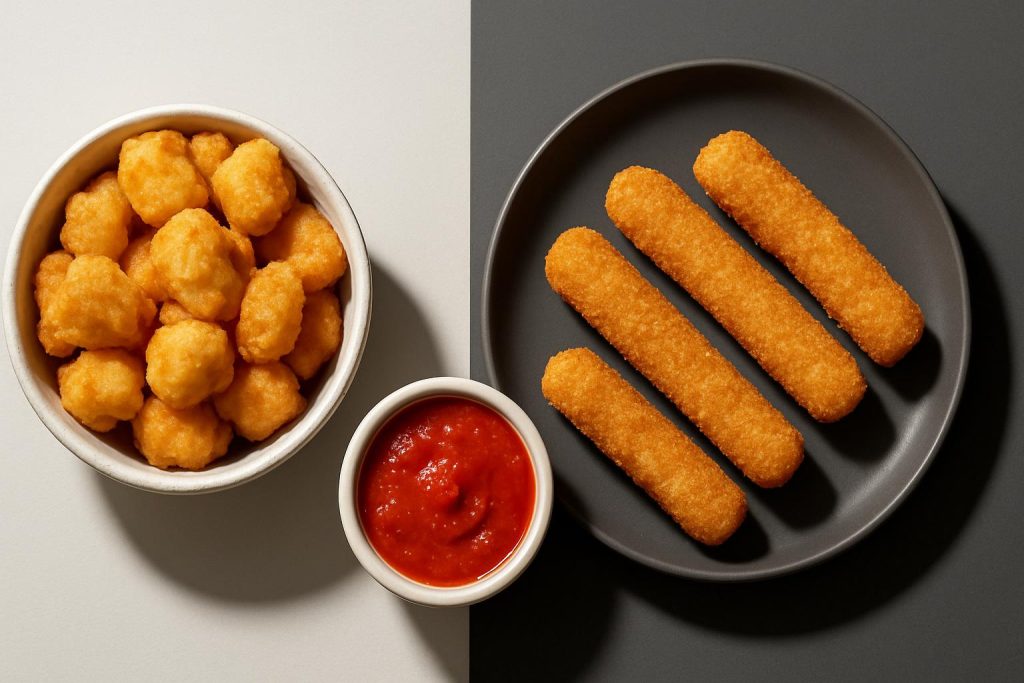
Cheese curds and mozzarella sticks are both hot, cheesy, and tempting. They look similar once fried, but they deliver different flavors, textures, and cooking needs. If you cook at home, host gatherings, or meal prep snacks, the better choice depends on your goals. This guide compares them in taste, nutrition, cost, cooking methods, storage, and cleanup. You will know exactly which snack fits your kitchen and your life.
Introduction
There is no single winner for every person or situation. Cheese curds shine when you want fresh dairy flavor and a squeaky bite. Mozzarella sticks win for stretchy pull and dip-friendly appeal. Home cooks should also think about time, mess, and cleanup. Keep reading for a clear, practical breakdown that helps you decide.
What Are Cheese Curds
Cheese curds are small, fresh pieces of curdled milk, usually from cheddar. They are mild, slightly salty, and bouncy. Fresh curds squeak when you bite them. They are often served plain, lightly breaded, or beer-battered and fried. In the Midwest and in Canada, curds are popular and easy to find fresh. Outside those regions, frozen curds are more common.
What Are Mozzarella Sticks
Mozzarella sticks are breaded sticks of low-moisture mozzarella. They are made to be fried or air fried. When cooked well, the interior stretches and the crust stays crisp. They usually come frozen, ready to heat, and pair with marinara or ranch. They are widely available in grocery stores, pubs, and stadium menus.
Flavor and Texture Comparison
Cheese Curds: Fresh Dairy and Bounce
Fresh curds taste like young cheddar. They have a clean, milky flavor with a light tang. Texture is the star. Uncooked curds are springy. Fried curds turn juicy inside with a delicate crust outside. They do not stretch much, even when hot.
Mozzarella Sticks: Mild Taste and Stretch
Mozzarella is mild and milky with a softer salt level. The star feature is the long pull. When cooked properly, mozzarella stretches. The breading adds crunch, often seasoned with garlic, onion, or herbs. The contrast of crisp crust and stringy interior is the main appeal.
Which One Satisfies Cravings Faster
If you want a squeaky, fresh cheese bite, go with curds. If you want that photo-ready pull and a strong crunch, choose mozzarella sticks. For dipping, mozzarella sticks have a slight edge because the stick shape holds up in sauces and the flavor is built for marinara.
Nutrition Basics
Both are indulgent. Serving size and cooking method matter more than the cheese type. Here are general points to guide you.
Calories and Macros
Plain cheese curds are cheese only. Per ounce, they are dense in fat and protein. Fried curds gain calories from batter and oil. Mozzarella sticks include breading, which adds carbs and calories. A typical serving of four to six sticks is calorie heavy, especially when deep-fried.
Sodium and Additives
Fresh curds are simple ingredients. Pre-breaded mozzarella sticks can include added sodium and stabilizers. If you track sodium, compare labels. Some frozen sticks vary widely in salt.
How to Make Either Snack Lighter
- Use an air fryer instead of deep-frying.
- Choose lighter breading or skip batter for curds.
- Portion out servings before cooking.
- Pair with raw vegetables and a lighter dip like yogurt ranch.
Cooking Methods at Home
Choose the method that matches your time, tools, and tolerance for mess. Each method changes texture and cleanup requirements.
Deep-Frying
Deep-frying gives the crispiest result for both curds and mozzarella sticks. Use oil at a stable medium-high temperature. Work in small batches to avoid soggy results. Drain well on a rack. Expect more cleanup and oil disposal afterward.
Air Fryer
Air frying is fast, clean, and consistent. It works especially well for frozen mozzarella sticks. Spray lightly with oil for better browning. For cheese curds, air frying works if the curds are breaded and chilled or frozen first to prevent leaks. Clean the basket as soon as it cools to prevent stuck crumbs.
Oven Baking
Oven baking is hands-off but gives a softer crust than air frying or deep-frying. Preheat fully. Use a preheated sheet pan or wire rack for better crisping. Flip halfway. This method is convenient for larger batches.
Pan-Frying or Shallow-Frying
Pan-frying can work in a pinch. Use enough oil to cover at least half the piece. Cook quickly and turn once. This method can lead to uneven results and more splatter, so use a splatter screen.
Choosing Breading and Batter
Breading and batter change flavor, crunch, and mess. Panko gives a light, crispy bite. Fine breadcrumbs give an even golden crust. Beer batter or tempura gives a craggy, airy finish but can drip and requires careful oil temperature. For curds, a light batter protects the cheese and locks in moisture. For mozzarella sticks, a double coat of flour, egg, and crumbs reduces blowouts.
Preventing Cheese Blowouts
A blowout happens when cheese melts out and ruins the crust. Prevention is simple. Freeze breaded pieces for 20 to 30 minutes before cooking. Do not overcrowd the fryer or basket. Keep oil or air fryer temperature stable. Cook just until golden and remove promptly.
Best Dips and Seasoning
Classic Pairings
- Mozzarella sticks: marinara, pizza sauce, garlic aioli, ranch
- Cheese curds: ranch, chipotle mayo, honey mustard
Seasoning Ideas
- Italian herb blend for mozzarella sticks
- Paprika and garlic salt for curds
- Lemon pepper for a bright finish on both
- Buffalo sauce toss for extra heat
Cost and Availability
Frozen mozzarella sticks are widely available and affordable. Store brands often perform well in air fryers. Fresh cheese curds can be pricey or hard to find outside dairy regions. Frozen curds are easier to find online. If budget guides your choice, mozzarella sticks usually cost less per serving. If freshness and local dairy matter, curds can be worth the extra cost.
When to Serve Which
Game Day or Parties
Mozzarella sticks are dependable crowd-pleasers and easy to batch in an air fryer or oven. They fit dips and platters well. For variety, add curds as a second option.
Family Snack Nights
Curds offer a fun texture change and pair well with simple dips. Kids often like the mild taste. If you need the classic stretch factor, sticks win.
Late-Night Cravings
Mozzarella sticks heat from frozen with little prep. Curds are better fresh, so plan ahead or keep a bag of frozen breaded curds ready.
Storage, Freezing, and Reheating
Storing Fresh Curds
Fresh curds taste best the same day. Store in a breathable bag in the fridge for up to two days. The squeak fades over time. For longer storage, freeze them in a single layer, then move to a freezer bag with the air pressed out.
Storing Mozzarella Sticks
Keep them frozen until cooking. Reseal bags with clips or use airtight containers to prevent freezer burn. Label with date so you use older stock first.
Reheating Leftovers
Air fryer is best for crisping leftovers without overcooking. Use a low to medium heat setting to avoid re-melting to the point of blowouts. Avoid microwaves for breaded snacks unless you accept a softer crust. If microwaving, place on a paper towel and eat immediately.
Mess Control and Cleanup
Crispy snacks can mean greasy counters, sticky baskets, and lingering odors. Set up your space so cleanup is fast.
Before You Cook
- Clear the counter near your cooking zone.
- Lay parchment or a tray under breading stations.
- Preheat your appliance to reduce leaks and sticking.
- Set out a cooling rack over a sheet pan for draining.
Oil Management and Disposal
- Use a deep pot with high sides if frying to reduce splatter.
- Clip a thermometer to hold temperature steady.
- Let oil cool fully, then strain through a fine mesh to reuse up to a few times if it still smells clean.
- Dispose of spent oil in a sealed container. Do not pour down the drain.
Splatter Prevention
- Use a splatter screen on pans.
- Dry cheese and breading before frying.
- Do not overcrowd the pot or basket.
- Cook at the correct temperature to avoid steaming and bursting.
Surface and Appliance Cleaning
- Wipe counters with warm soapy water, then a degreaser if needed.
- For air fryers, soak the basket in warm soapy water for 10 minutes. Use a non-scratch brush for the mesh.
- For ovens, wipe spills while warm with a damp cloth. Avoid harsh scraping.
- Wash splatter screens immediately so grease does not harden.
Stains and Odor Control
- Grease stains on fabric: blot with dish soap and warm water, rinse, repeat, then launder.
- Grease on wood: use a mild dish soap solution, wipe dry, then condition if needed.
- Cooking odors: simmer water with lemon slices for 10 minutes or run your range hood on high.
Organizing Your Snack Station
A tidy setup saves time and reduces waste. Keep what you need close and label it clearly.
Freezer Setup
- Use clear bins for frozen snacks.
- Group by type. Keep mozzarella sticks together and curds together.
- Label with purchase date and cooking instructions.
- Keep a small notepad on the freezer door to track what to restock.
Dry Goods and Dips
- Store breadcrumbs, panko, flour, and spices in airtight containers.
- Keep marinara, ranch, and aioli in a door bin of the fridge for quick access.
- Use squeeze bottles for sauces to reduce mess.
Tools You Actually Need
- Air fryer or a sturdy pot for oil
- Splatter screen and tongs
- Cooling rack and sheet pan
- Thermometer for oil or oven
- Paper towels or reusable draining cloths
Troubleshooting Common Problems
Soggy Crust
Crust gets soggy when temperature is too low or food steams in a crowded basket. Preheat fully. Cook in small batches. Drain on a rack, not on a flat plate.
Cheese Leaking
Leakage signals weak seal or overcooking. Double bread mozzarella sticks. Chill or freeze before cooking. Remove as soon as they turn golden.
Uneven Browning
Rotate pans halfway through baking. Shake air fryer baskets once or twice during cooking. Level the oven rack to improve heat flow.
Grease Taste
Oil too cool leads to greasy results. Keep oil at a steady cooking temperature. Replace oil that smells old or dark.
Sustainability Considerations
Frying uses significant oil and energy. Air frying or baking reduces oil usage. Choose larger batches to make energy use more efficient. Reuse oil when safe. Buy local curds when possible to support regional dairies and reduce transport. Minimize food waste by planning portions and freezing extras promptly.
Which Snack Is Better
Quick Summary
- Best for stretchy cheese lovers: mozzarella sticks
- Best for fresh dairy flavor and squeak: cheese curds
- Best for easy, low-mess weeknights: mozzarella sticks in the air fryer
- Best for special treat or regional flair: fresh fried cheese curds
By Situation
- Hosting a party: mozzarella sticks for consistency and dip pairing
- Trying something new: cheese curds for unique texture
- Watching calories: air-fried versions of either, smaller portion
- On a tight budget: store-brand mozzarella sticks
Conclusion
Cheese curds and mozzarella sticks both deliver comfort and crunch, but they serve different needs. Mozzarella sticks are reliable, easy to cook from frozen, and ideal for dipping and sharing. Cheese curds are fresher tasting, springy, and memorable when fried well. Your best pick depends on what you value most. If you want convenience and a crisp crust with a long cheese pull, choose mozzarella sticks. If you want a unique bite and a dairy-forward flavor, pick cheese curds. Set up your kitchen for efficient cooking, control splatter, store smartly, and clean as you go. You will get better results, less mess, and a snack you will repeat with confidence.