General information

Everything about ecofriendly

How to Get Blood Stains Out of Carpet Fast (Even If It‘s Dried)

Blood stains on carpet can look alarming, but you can remove them safely with a calm, step-by-step plan. The key is cold water, gentle blotting, and patience—never hot water or rubbing, which set the stain. This beginner-friendly guide explains how to lift both fresh and dried blood using household items like dish soap, hydrogen peroxide, or enzyme cleaner. You’ll learn exactly how to rehydrate dried stains, prevent wicking, and protect delicate fibers like wool or silk. With the right method, even tough spots can be erased quickly without damaging your carpet.

Natural Ways to Clean a Fabric Sofa – Eco-Friendly DIY Tips

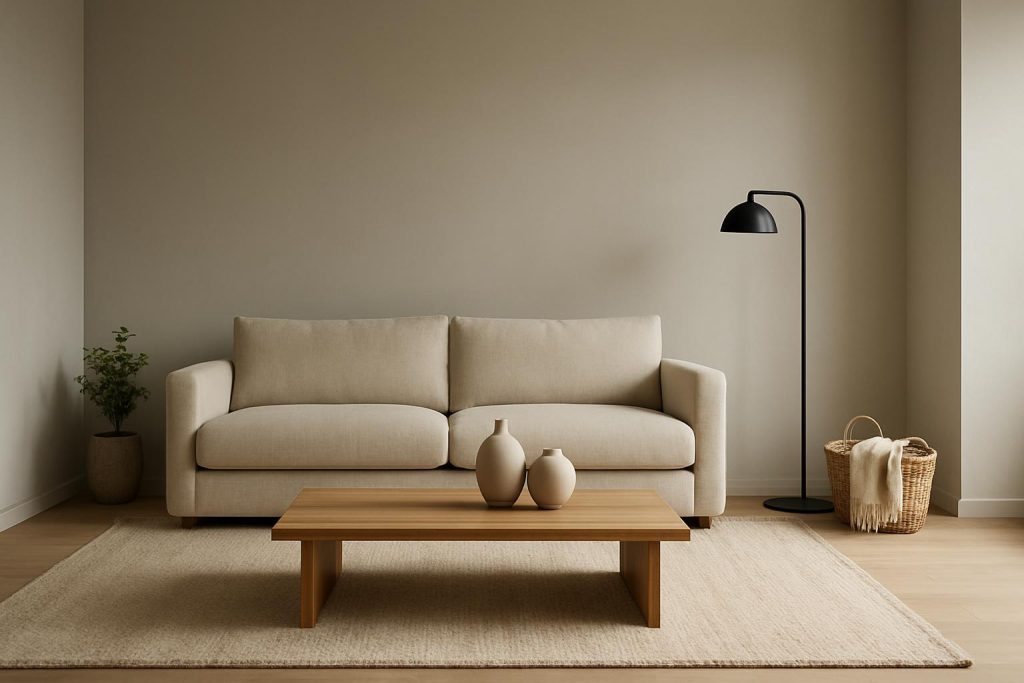
Keeping your fabric sofa clean doesn’t require harsh chemicals or costly cleaners. This beginner-friendly guide shows how to use safe, eco-friendly ingredients—like baking soda, vinegar, and mild soap—to remove stains, banish odors, and refresh upholstery. Learn to identify your sofa’s fabric code (W, S, WS, or X), test before cleaning, and follow gentle, low-moisture methods that protect texture and color. With clear steps for handling spills, pet messes, and everyday buildup, plus drying and deodorizing tips, you’ll keep your sofa looking fresh, soft, and naturally clean—week after week.

How to Clean a Chandelier Without Taking It Down – Crystal-Clear Results

A clear, safe, in-place chandelier clean is totally doable with some prep and the right touch. Cut power (switch, then breaker), let bulbs cool, protect sockets and floors, and work from a sturdy ladder with a helper. Use soft microfiber or cotton gloves plus distilled water-based solutions; avoid harsh chemicals, ammonia on lacquered metals, and heavy spraying near sockets. Choose one of two methods: the no-drip wipe for maximum control, or the drip-dry spray for faster crystal refresh—both done without removing prisms. Identify materials first (crystal, glass, acrylic; brass, nickel, bronze, gilding) and tailor your approach. Dust monthly, deep clean every 6–12 months (more often in kitchens), and photograph layouts before you begin. Never spin the fixture; move yourself instead. When height, complexity, or delicate finishes raise risk, hire a pro.

Can You Use an Air Purifier with the Window Open? Pros and Cons

Yes, you can run an air purifier with a window open—if outdoor air is as clean or cleaner than indoors and your goal is fresh air; otherwise, keep windows closed, especially during wildfire smoke, heavy traffic, high pollen, or high ozone. Purifiers clean existing indoor air (HEPA for particles; activated carbon for odors/VOCs) and don’t add oxygen, so open windows can either dilute or introduce pollution. Use short, controlled openings (10–20 minutes), higher fan speed, and thoughtful placement: protect your breathing zone or position the intake toward the window if outdoor air is marginal. Check AQI, trust your senses, and do quick tests with a monitor if you have one; close up if levels spike and let the purifier restore low particles. Size the purifier to the room (CADR/ACH), manage humidity with HVAC or a dehumidifier, and maintain filters more often if you air out frequently. Smart timing and placement let you enjoy fresher air without losing the benefits of filtration.

How Often Should You Replace a Bottle Brush? Cleaning Experts Explain

Wondering if that funky smell means it’s time to toss your bottle brush? Most nylon brushes last 1–3 months, baby-bottle brushes 2–4 weeks, and silicone up to 3–6 months with careful cleaning and thorough drying—but replace any brush immediately if it smells, sheds, molds, rusts, or the bristles splay. This beginner-friendly guide explains why timely replacement matters (biofilm and trapped residue), how to clean and disinfect your brush the right way, and how to choose a better, longer-lasting brush next time. Keep separate brushes for different tasks, inspect weekly, and keep a spare on hand so you never push a worn tool past its prime.