
We are reader supported. When you purchase through links on our site, we may earn an affiliate commission. Also, as an Amazon affiliate, we earn from qualifying purchases.
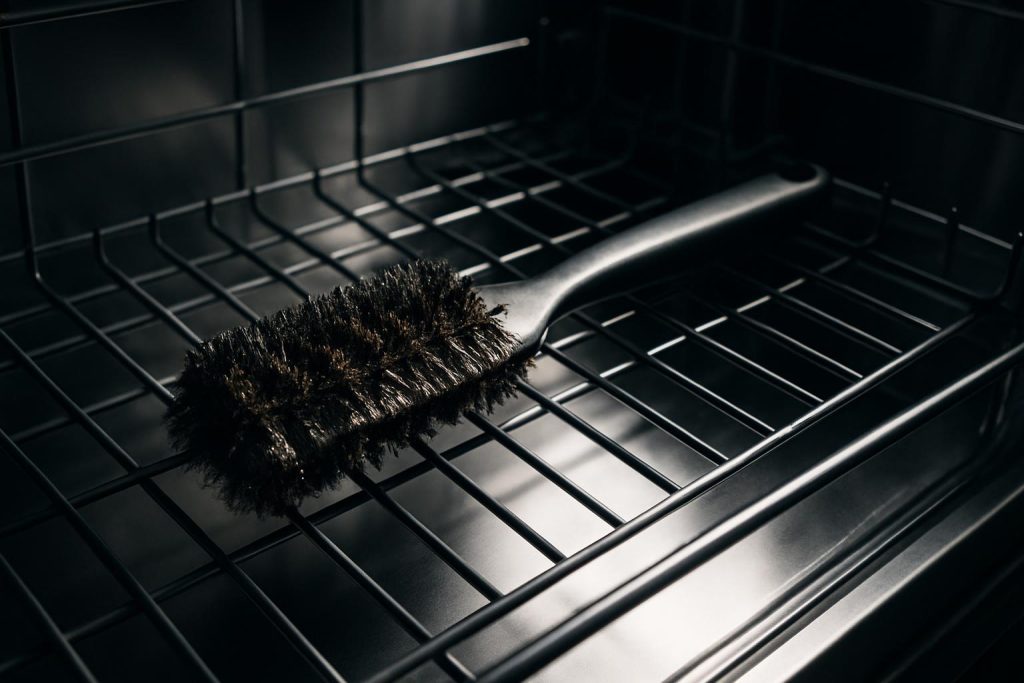
Can you put a grill brush in the dishwasher. Sometimes, but it is rarely the best choice. The answer depends on the brush type, the materials, and how dirty it is. If you want a clean and safe grill brush, you need a plan that goes beyond a quick dishwasher cycle. This guide explains when a dishwasher works, when it does not, and how to clean a grill brush the right way without risking loose bristles or a greasy dishwasher.
Quick Answer: Should You Put a Grill Brush in the Dishwasher
For most metal bristle grill brushes, no. A dishwasher will not remove heavy grease and carbon well, can loosen bristles, may damage wood or plastic handles, and can spread greasy residue inside the machine. The safer bet is hand cleaning and regular inspection.
There are narrow exceptions. Some bristle free coil scrubbers, nylon bristle heads, and removable plastic or silicone parts labeled as dishwasher safe can go on the top rack. Always follow the manufacturer label. If the brush is not clearly listed as dishwasher safe, keep it out.
Why Dishwashers Are Not Ideal for Most Grill Brushes
Grease and Carbon Build Up Resist Dishwasher Action
Grill brushes collect sticky fat, burned sauce, and carbonized debris. Dishwashers are designed for food soil, not baked on grill residue. The spray pattern cannot reach deep into bristles or tight coils. You often end up with a brush that looks cleaner but still holds embedded grease. That residue then transfers back to your grates the next time you scrub.
Heavy grease also coats dishwasher filters and spray arms. Over time, this reduces wash performance for your dishes and can cause odor. If the brush sheds debris, it can clog the filter and require a manual cleanout.
Loose Metal Bristles Are a Real Safety Hazard
Metal bristle brushes can shed. Dishwasher jets and heat cycles can loosen already fatigued bristles. A lost bristle can lodge in the dishwasher filter or end up on other items. The bigger risk comes later on the grill. If a bristle remains in the brush or falls onto the grate, it can stick to food and be swallowed. This is a documented cause of mouth, throat, and digestive injuries.
Because of this risk, many pros now avoid metal bristle brushes entirely. If you continue to use one, inspect it before and after each use and replace it at the first sign of wear.
Handle and Head Materials Do Not Always Tolerate Heat
Wood handles swell, crack, or splinter after repeated dishwasher cycles. Glues or epoxies that hold the head can soften and fail. Low grade plastics warp in high heat. Nylon bristles can bend or melt if the water is too hot or if the brush sits near the heating element during the dry cycle.
Even when a part seems fine after one cycle, repeated runs shorten the life of the tool. Dishwashers are harsh on mixed materials, and grill brushes often mix metal, wood, plastics, and adhesives.
Rust and Shorter Lifespan
High heat, moisture, and detergent can strip protective finishes and accelerate rust on metal parts. Once corrosion starts at the base of bristles or coils, shedding increases. That is both a safety concern and a performance problem. Rusty wires also scratch porcelain coated grates more easily.
Hygiene and Cross Contamination
A greasy grill brush carries raw meat residue and smoke deposits. Placing it next to plates and utensils is not ideal. Even if you run a separate cycle, residue can remain inside the tub, on racks, or in the filter. You will need to clean the machine afterward to keep your dishwasher ready for food contact items.
When a Dishwasher Can Be Used
Brush Types That May Be Dishwasher Safe
Some tools are designed for it. Look for removable nylon heads that state top rack safe, bristle free stainless steel coil scrubbers made as dishwasher safe, and scraper tools with all stainless or heat stable plastic bodies. Read the product label or the manufacturer care page.
If the brush has natural wood, metal bristles crimped into a plate, or unknown adhesives, do not machine wash. When in doubt, hand clean.
Placement and Settings Guidelines
If the brush head or tool is clearly listed as dishwasher safe, place it on the top rack. Keep it away from the heating element. Choose a hot water cycle but disable high heat dry if nylon is involved. Avoid overcrowding so spray can reach the tool. Do not run it with food dishes. Run it alone with only other grill tools or by itself.
Use standard dishwasher detergent. Skip rinse aid for that cycle if you can, because it is not necessary for tools and you want a thorough rinse without extra surfactants on surfaces you will later heat.
After Wash Checks
Inspect the tool closely. Tug gently on bristles or coils to test for looseness. Look for bends, melted spots, cracked plastic, or loosened joints near the head. If anything seems off, retire the brush. Dry it completely before storage to prevent rust.
Clean Your Dishwasher After
Remove and rinse the filter. Check the sump for metal bristles or debris. Wipe the door gasket and bottom of the tub. Run an empty hot cycle with a cup of white vinegar placed upright on the top rack to cut grease. This protects your dishwasher and prevents transfer to dishes later.
Safer Ways to Clean a Grill Brush by Hand
Basic After Each Use Routine
While the grill is still warm, knock debris off the brush over a trash bin. Tap gently to avoid loosening bristles. Rinse the head under hot water to soften grease. Apply a drop of degreasing dish soap to the bristles or coil, work it in with your gloved hand, then rinse again. Shake off water and air dry hanging up.
Deep Clean Method Step by Step
First, prepare a hot soapy soak. Use very hot water and a strong dish soap in a bucket or sink. Submerge only the head if the handle is wood. Soak 10 to 20 minutes to soften heavy grease.
Second, scrub the head. Use an old dish brush or a nylon pad to scrub between bristles or coils from multiple angles. Rotate the head so you reach the base where grease hides.
Third, rinse thoroughly. Run hot water through the head until the water runs clear. Use a short blast from a sink sprayer if you have one. Look for any loose wires and remove them with pliers.
Fourth, deodorize and break down remaining residue. For metal heads, sprinkle baking soda on the wet bristles or coil and work it in, then rinse. For nylon heads, use a mild vinegar rinse after the soap rinse, then rinse with water again. Avoid long vinegar soaks on metal to limit corrosion.
Fifth, sanitize briefly if needed. Mix a mild bleach solution of 1 tablespoon unscented bleach in 1 gallon of water. Dip the metal head for 1 minute. Rinse thoroughly with hot water and dry. Bleach can corrode metal with long exposure, so keep contact short. As an alternative, pour boiling water over the head for 30 seconds, repeat twice, then dry.
Finally, dry and store. Shake off water. Pat the head with a towel. Air dry fully in a well ventilated area. Hang the brush to keep the head dry and prevent deformation.
Products That Help Degrease
Use a concentrated dish soap labeled for grease, a small amount of oxygen based cleaner dissolved in hot water for metal heads, or a paste of baking soda and water for spot work. Always rinse completely. Avoid oven cleaner on bristles and avoid harsh lye based products that can damage metals and plastics.
Drying and Storage Practices
Dry fast to prevent rust. Do not put the brush away damp or in a closed bin. A hook near the grill works well. Keep it out of rain and away from direct sun that can degrade plastics. If your climate is very humid, store indoors between grilling sessions.
Alternatives to Bristle Brushes
Bristle Free Options
Coiled stainless scrubbers without loose bristles reduce the risk of wire shedding. Scraper heads with formed edges fit common grate shapes and remove residue without wires. Some tools use stainless scouring pads fixed to a handle with no bristles at all.
Bristle free does not mean maintenance free. Grease still builds up. Clean and inspect them regularly, and replace worn parts.
Non Brush Tools
Grill scrapers, pumice grill stones for cast iron or stainless grates, bamboo scrapers that form grooves, and chain mail scrubbers are effective. Follow grate material guidelines. Avoid abrasive stones on porcelain coated grates to prevent scratching.
Care for These Tools
Rinse hot, degrease with soap when needed, and dry completely. Many of these options tolerate a dishwasher better than bristled brushes, but still check labels. Scrapers with wood handles should stay out of the dishwasher.
Safety Checks Before and After Grilling
Inspect the Brush Regularly
Before each use, examine the head. Look for bent rows, missing wires, broken coils, rust at the base, or loose bristles. If you can pull out a bristle with a light tug, retire the brush. Replace brushes at the first signs of shedding, heavy rust, or deformation.
Check the Grates for Loose Bristles
After brushing, wipe the cool grates with a damp paper towel and dispose of it. The towel can catch stray wires. Use a folded kitchen towel dedicated to grilling and launder it hot after use. Shine a flashlight across the grate surface to reveal reflective wires. A magnet test helps with some steels, but many stainless wires are weakly magnetic or not magnetic, so do not rely on it.
Before cooking, heat the grill, then scrape with a bristle free scraper to dislodge anything missed. Finally, oil the grates lightly with a high smoke point oil on a folded paper towel held with tongs.
Set a Replacement Schedule
Heavy users should expect to replace a metal bristle brush every grilling season or sooner. Light users might get a year if the brush shows no wear. Bristle free tools often last longer but still need replacement when coils unwrap, scrapers round off, or stones wear down.
Choosing a Dishwasher Friendly Grill Cleaning Tool
What to Look For at Purchase
Check for clear dishwasher safe labeling for removable heads or full tools. Favor single material designs like all stainless steel or high heat stable polymers. Avoid wood if you plan to machine wash. Select replaceable head designs to simplify cleaning and replacement. Choose bristle free if safety is your top priority.
Labels and Care Guidance
Read care instructions before first use. Some nylon heads are top rack only and low heat dry only. Stainless tools may allow any rack. If a product only says hand wash, respect that to preserve the warranty and lifespan.
Modular Heads Pay Off
Tools with snap off heads clean easier and keep handles out of water. Replace the head when it shows wear and keep the handle longer. This reduces waste and cost over time.
Beginner Friendly Cleaning Routine
After Every Grill Session
While grates are warm, brush or scrape the grates. Tap and rinse the brush head under hot water. Soap, rinse, shake dry, and hang. This two minute habit prevents heavy buildup and makes deep cleaning rare.
Weekly or Every Few Uses
Do a short hot soak and scrub. Inspect for wear. Sanitize briefly if you handled raw poultry or if the brush smelled smoky and sour. Dry fully before storage.
Seasonal Deep Clean
Disassemble removable heads. Soak in hot soapy water. Scrub, rinse, and sanitize. Clean the handle. Dry thoroughly. Replace any part that looks suspect. Start the new season with a safe tool.
FAQ for Beginners
Can I put a metal bristle grill brush in the dishwasher
It is not recommended. Bristles can loosen, grease will not fully wash out, and the dishwasher can get dirty. Hand clean and replace worn brushes promptly.
Are nylon grill brushes dishwasher safe
Some are top rack safe, but heat can warp them. Only wash if the label clearly allows it. Use a low heat dry or air dry. Hand cleaning is safer for long life.
What about wooden handled brushes
Keep wood out of the dishwasher. Wood swells, cracks, and sheds splinters. Clean the head by hand and wipe the handle with a damp cloth.
How do I sanitize a grill brush
Use a brief dip in a mild bleach solution of 1 tablespoon bleach in 1 gallon water, then rinse well and dry. Or pour boiling water over the head for multiple passes. Do not soak metal in bleach for long to avoid corrosion.
What if I suspect a bristle got into my food
Stop eating. Do not try to swallow it down. If you feel pain in the mouth, throat, or stomach, seek medical care quickly. Switch to a bristle free tool to prevent a repeat.
Can I wash grill grates in the dishwasher instead
Some stainless steel grates fit and may be labeled dishwasher safe, but heavy grease can foul your machine. Cast iron and porcelain coated cast iron should not go in a dishwasher. Hand cleaning is safer for most grates.
Practical Decision Guide
If You Already Own a Metal Bristle Brush
Do not put it in the dishwasher. Hand clean it, inspect it before and after use, and replace it at the first sign of loose bristles or rust. Consider switching to a bristle free tool.
If You Want a Tool You Can Dishwasher Clean
Buy a bristle free coil scrubber or a nylon head clearly labeled top rack safe. Favor removable heads and non wood handles. Keep dishwasher cycles separate from dishes, and clean the dishwasher after washing greasy tools.
Conclusion
Most grill brushes do not belong in the dishwasher. The cycle struggles with grease, can loosen metal bristles, and can damage parts. Safety comes first. If your tool is not clearly labeled as dishwasher safe, hand clean it. Use hot water, strong dish soap, a short sanitize step when needed, and thorough drying. Inspect your brush often and replace it at the first signs of wear. If you want the convenience of machine washing, choose a bristle free or nylon design built for the dishwasher. With the right tool and a simple cleaning routine, you keep your grill cleaner, your food safer, and your dishwasher free of grease.