
We are reader supported. When you purchase through links on our site, we may earn an affiliate commission. Also, as an Amazon affiliate, we earn from qualifying purchases.
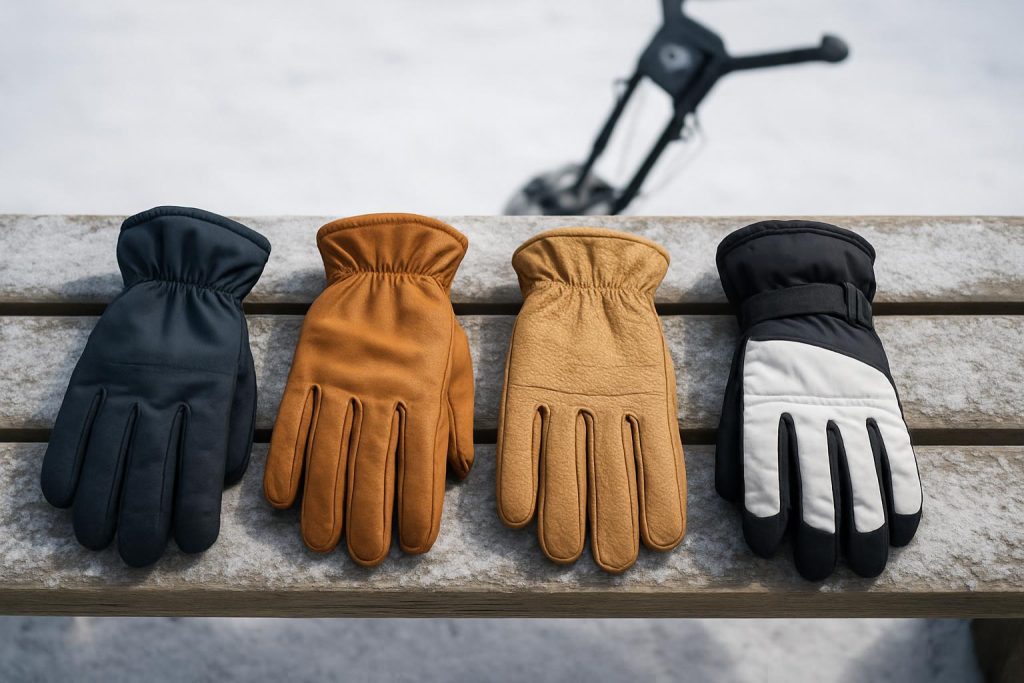
Running a snow blower in freezing wind is tough on hands. Wet fabric, numb fingers, and clumsy grip slow everything down. The right gloves change that. They stay dry, trap heat, and keep your control steady on the handles. Below you will find clear guidance on what to look for and four proven picks that balance warmth, waterproofing, grip, and durability for the 2026 season. I will also share fit and care tips that matter in real use.
How to choose snow blower gloves in 2026
Waterproofing and windproofing
Snow and slush soak gloves fast. Look for a waterproof membrane and a shell that resists wet-out. Windproof fabric matters just as much because wind strips heat. Leather that is treated to repel water also helps, especially on high-wear palms.
Warmth and insulation
Good winter work gloves use synthetic insulation that traps heat without absorbing moisture. Heavier insulation is warmer but bulkier. Balance warmth with dexterity based on your climate. In heavy lake-effect snow or long runs, go warmer.
Grip and control
Snow blower handles get slick. Textured palms and fingers improve safety and reduce hand fatigue. Reinforced leather in the palm and thumb crotch is ideal because it resists abrasion from levers, paddles, and pull cords.
Dexterity versus bulk
Too bulky and you fumble with chutes and controls. Too thin and you lose heat. If you frequently need to adjust shear pins, cables, or your phone, pick a glove with slimmer fingers or plan a liner plus medium glove combo.
Cuff length and snow seal
Gauntlet cuffs that cinch over jacket sleeves block blowing powder. Short knit cuffs seal well under a coat but can collect snow if the sleeve rides up. Choose based on your coat style and how deep you typically work.
Durability and abrasion
Snow blower work is rough on seams and palms. Leather reinforcements on palm, fingers, and knuckles extend life. Double stitching and tough shell fabric reduce blowouts in midseason.
Useful extras
Pull tabs help with on and off. One-handed wrist cinches seal out drafts. A soft nose wipe panel is practical in the cold. Touchscreen tips help if you need maps or alerts, but they rarely work well when soaked, so plan accordingly.
The 4 best snow blower gloves in 2026
Carhartt WP Waterproof Insulated Gloves
These are a winter standby for a reason. The shell sheds wind, a waterproof insert blocks slush, and the insulation keeps hands warm through long driveway passes. The palm and fingers have grippy overlays that hold steady on plastic or rubber handles.
Why it helps: Reliable waterproofing and a snug wrist closure keep meltwater out when clearing near the street or when blowing into high piles. The palm pattern gives secure control over auger and drive levers with less squeeze pressure.
Best for: Mixed storms with wet snow and wind. Early mornings when the blower kicks up slush and you need a glove that stays dry from start to finish.
Potential downsides: Bulk limits fine finger movement for tiny latches or phone taps. Drying overnight can take longer if the glove gets soaked inside from sweat.
Fit and sizing notes: The fit runs secure with a mid-length cuff. If between sizes, I think sizing up works better in deep cold so you keep a thin liner inside without compressing insulation.
Care tips: Air dry fully between sessions. Do not put on direct heat. I think a light DWR spray on the shell midseason helps bead meltwater longer.
I think these are the no-drama pick when you want a solid blend of warmth and waterproofing without a premium price tag. I have used them in heavy, wet slush at the end of the driveway and the membrane kept my hands dry while the palm grip stayed firm on vibrating handles.
Wells Lamont HydraHyde Leather Winter Work Gloves
This pair blends water-resistant treated leather with solid insulation and a work-first build. The HydraHyde leather resists water better than typical cowhide while keeping the tough feel that grips pull cords and resists abrasion on metal edges.
Why it helps: Treated leather palms and fingers hold up to repetitive handle pressure and chute adjustments. The water resistance is baked into the leather, so it lasts longer than surface-only treatments.
Best for: Cold, dry powder or mixed snow where you want leather durability and dependable grip. Long sessions where abrasion can chew up synthetic palms.
Potential downsides: Not as instantly waterproof as full membrane designs in deep slush. Leather needs occasional conditioning to prevent stiffening after repeated wet cycles.
Fit and sizing notes: The glove breaks in after a couple of uses. I think a true-to-size fit gives the best control. If your jacket sleeves are short, pair with a gaiter or choose a gauntlet-cuff glove.
Care tips: Brush off salt. Air dry slowly. Use a leather conditioner designed for waterproof-treated hides a few times per season to maintain flex and water shedding.
I think these feel more confident on a stubborn pull start and when steering a heavy two-stage unit over packed snow. The palm feedback is better than most synthetic work gloves, and the wear life is strong if you do basic care.
Kinco 1927KW Lined Pigskin Work Gloves
Kinco pigskin gloves are a winter classic for outdoor work. Pigskin stays more flexible when wet than many cowhides, and the HeatKeep style thermal lining traps warmth well. The knit wrist seals under a coat cuff to keep powder out of the glove.
Why it helps: Rugged leather palm and fingers handle chute cranks and lever presses without shredding. The knit cuff is fast to pull on and keeps drafts from sneaking in during windy runs.
Best for: All-around driveway and sidewalk clearing in cold, dry climates. People who prefer the feel and durability of real leather over synthetics.
Potential downsides: In heavy, wet slush the lack of a true waterproof membrane can let moisture in during long sessions. Not ideal if your blower kicks a lot of mist.
Fit and sizing notes: Slightly roomy out of the bag and then they settle as the leather forms to your hand. I think a snugger initial fit is better, because pigskin loosens a bit with use.
Care tips: Knock off ice, dry slowly, and apply a light waterproofing wax or cream if you work in frequent wet snow. Do not overcondition or you will soften away some abrasion resistance.
I think this is the best value leather option for consistent cold and for users who want a simple, tough glove with good warmth and strong tool feel. It is not a slush glove, but for most midwinter storms it works hard and lasts.
Velazzio Ski Gloves with 3M Thinsulate
These ski-style gloves bring a full waterproof membrane, robust insulation, and a long gauntlet cuff that seals over your jacket. The result is warm, dry hands even when the blower throws wet snow and wind straight at you.
Why it helps: The membrane keeps meltwater out, while the long cuff and dual cinches lock down the snow seal. The palm has a grippy texture that keeps your hand anchored without a death grip.
Best for: Deep, windy storms and wet snow. Users who want maximum weather protection and do not mind a little extra bulk.
Potential downsides: Less tactile feel than leather. Bulk can slow quick small adjustments, and touchscreen use is limited once the glove is damp.
Fit and sizing notes: Go true to size if you like a secure fit under the gauntlet. Size up for a liner if your area sits in single digits often. The gauntlet works best over a jacket sleeve with a smooth cuff.
Care tips: Air dry thoroughly. Reapply a DWR spray to the fabric shell midseason if you notice wet-out. Keep the gauntlet drawcords free of ice so they cinch smoothly.
I think this is the warmest option here when wind is howling and slush is flying. The over-cuff seal is excellent for keeping wrists dry, and the membrane holds up through long, steady runs.
Quick comparison guide
Warmest overall: Velazzio Ski Gloves with 3M Thinsulate for deep cold and wind.
Best waterproof work feel: Carhartt WP Waterproof Insulated Gloves for slush and vibration control.
Best leather durability: Wells Lamont HydraHyde Leather Winter Work Gloves for repeated abrasion.
Best value leather: Kinco 1927KW Lined Pigskin for cold, dry storms and long wear life.
Layering and setup for bitter cold
Use a thin liner on the coldest days
A light synthetic or merino liner adds warmth without much bulk. Pair with a slightly roomier main glove so insulation is not compressed. Swap a dry liner mid-session if needed.
Seal the wrist
Cold sneaks in at the cuff. With short cuffs, pull your coat sleeve over and snug the wrist cinch. With gauntlets, set your coat sleeve under the gauntlet and tighten both adjusters. Check the seal before you start.
Manage sweat
Overheating leads to damp liners, which chill you fast when the wind picks up. Start slightly cool and take a one-minute break to vent if your hands feel sweaty.
Care, cleaning, and maintenance
Drying
Air dry at room temperature. Open cuffs, remove liners if possible, and stand gloves upright to let moisture escape. Avoid radiators or direct heat that damages insulation and membranes.
Fabric shell upkeep
When snow stops beading, refresh the shell with a light DWR spray. Shake off salt and brush away grit from seams that can cut stitching over time.
Leather upkeep
For Wells Lamont and Kinco, use a compatible leather conditioner sparingly to prevent stiffness and maintain water resistance. Wipe away road salt after each session to avoid drying and cracking.
Common mistakes to avoid
Running with the wrong cuff setup
Snow down the wrist ruins warmth fast. Set the cuff once, then test by swinging the handles and checking for gaps.
Using cotton liners
Cotton holds water and chills. Use synthetic or merino that stays warm when damp and dries quickly.
Over-gripping the handles
A death grip increases hand fatigue and cold. Let the glove grip do the work. Reduce pressure and keep circulation moving.
Skipping midseason upkeep
Five minutes of drying, brushing, and light waterproofing keeps gloves warm and strong for the rest of winter.
Conclusion
Snow blower work demands gloves that block water, fight wind, grip well, and stay warm without constant fuss. Carhartt WP nails waterproof utility. Wells Lamont HydraHyde brings leather toughness with solid heat. Kinco 1927KW offers classic value and durable comfort in cold, dry storms. Velazzio Ski Gloves deliver maximum warmth and sealing for deep and wet days. Choose based on your climate and how you work, set the cuff seal correctly, and maintain the shell and leather. The right pair turns a freezing chore into a steady, efficient routine.
FAQ
Which glove is warmest for deep cold and wind
Velazzio Ski Gloves with 3M Thinsulate are the warmest option here when wind is howling and slush is flying.
What is the best pick for wet slush with lots of vibration
Carhartt WP Waterproof Insulated Gloves deliver reliable waterproofing and secure grip for steady control in slush.
Which gloves last longest against abrasion
Wells Lamont HydraHyde Leather Winter Work Gloves offer strong leather durability and palm feedback for long wear.
Are leather gloves good in heavy wet snow
Leather gloves like Kinco 1927KW and Wells Lamont HydraHyde handle abrasion well, but full membrane designs stay drier in heavy wet slush.
Should I use a liner with these gloves
Use a thin synthetic or merino liner on the coldest days and size the main glove to avoid compressing insulation.