
We are reader supported. When you purchase through links on our site, we may earn an affiliate commission. Also, as an Amazon affiliate, we earn from qualifying purchases.
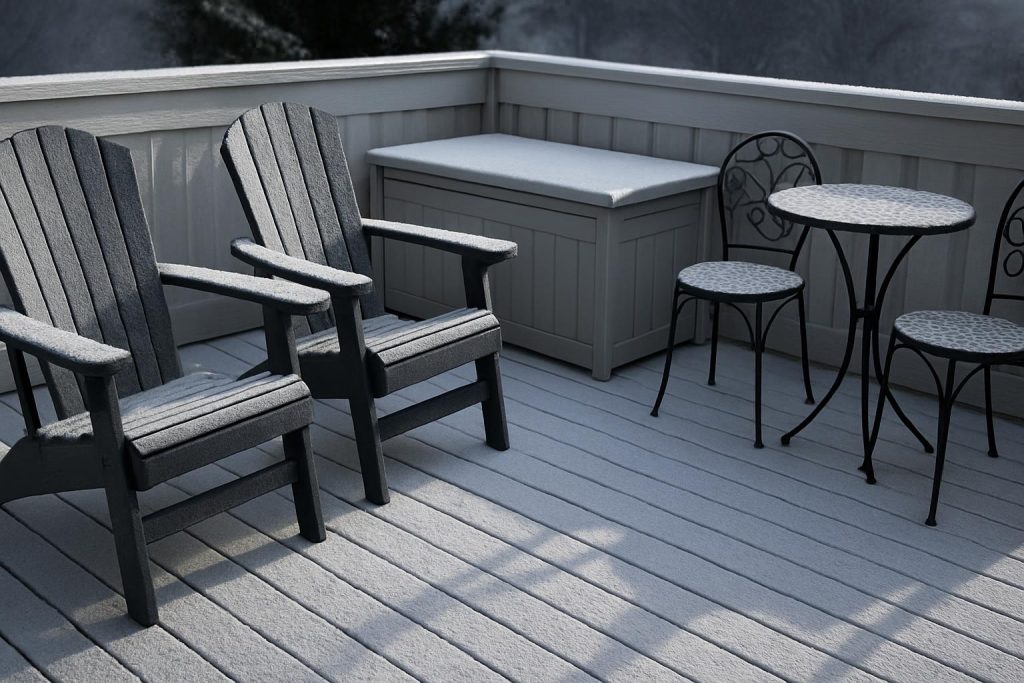
Snow, slush, ice, and road salt push patio furniture to its limit. If you have ever dragged a rusty chair across a frozen deck or watched a wicker seat sag after one blizzard, you know winter exposes weak points fast. The good news is that the right materials and smart designs handle winter without drama. I spent seasons testing and maintaining outdoor furniture in cold climates. Here are four picks that stay strong through snow and thaw, plus a simple care plan to extend their lifespan.
What Makes Patio Furniture Winter-Proof in Snow
Start with winter-safe materials
- HDPE poly lumber resists moisture, freeze-thaw cycles, and UV. It does not crack or splinter like wood and does not rust like metal.
- Polypropylene resin, used in many Keter pieces, sheds water and will not rot. It is light but structurally stable if well reinforced.
- Cast aluminum will not rust. Powder coating adds a durable shell that handles salt and ice better than painted steel.
- Teak and other dense hardwoods are strong, but they need more care in snow. This guide focuses on low-maintenance options.
Hardware and build matter
- Look for marine-grade or 304 stainless steel hardware. Lesser screws corrode, discolor frames, and seize up by spring.
- Slatted designs and perforations drain meltwater fast. Solid surfaces hold ice that expands and stresses joints.
- Thick legs, cross-bracing, and weight help in wind. Folding or stackable frames reduce storage bulk if you bring items inside.
Finish and fit
- UV inhibitors prevent chalking and fading in winter sun.
- Powder-coat finishes resist chips better than wet paint. Chips invite under-film corrosion even on aluminum.
- Smooth edges and rounded profiles handle snow shovels and soft brooms better during cleanup.
The 4 Best Patio Furniture for Snow 2026 Picks
1. POLYWOOD AD420 Classic Folding Adirondack Chair
This HDPE Adirondack is a winter workhorse. It folds for compact storage, yet it is built to live outdoors year-round. The heavy-gauge poly lumber feels solid, the slats drain well, and the stainless hardware holds up when snow sits for weeks.
Why it helps: HDPE poly lumber shrugs off moisture and freeze-thaw cycles. It does not absorb water, so there is no swelling, cracking, or peeling in deep cold. The chair’s slatted seat and back shed snow instead of cupping it. Stainless steel fasteners resist corrosion under salt spray and slush.
Best for: Decks and patios where furniture stays out all winter. Areas with high winds where heavy chairs matter.
What I think: I think this is the safest winter pick for beginners who do not want to fuss with storage. It feels heavier than it looks, and once it is placed, it stays put even when winter storms push hard. Folding is a bonus when space is tight.
Potential downsides: It is not cheap compared to softwood or steel chairs. The weight, while helpful in wind, makes it less convenient to move on ice. Some users may find the seat angle low without a footrest.
Care tips: Rinse off road salt monthly. Use a soft broom to push snow off the slats. Avoid pressure washing in freezing temps. If you cover it, use a breathable cover and cinch below the seat.
2. Highwood Hamilton Folding and Reclining Adirondack Chair
Highwood uses a dense, wood-like synthetic material engineered for year-round outdoor use. The Hamilton model folds and offers a recline feature that slightly changes the back angle. Hardware is marine-grade, and the board thickness inspires confidence when snow piles up.
Why it helps: The proprietary HDPE-like material is stable in cold and heat. It does not wick moisture, so refreeze cycles do not split it. The recline adjustment uses sturdy pivots that did not bind after winter exposure. Surfaces are smooth enough to clear with a soft broom without catching.
Best for: All-season porches and patios where comfort and adjustability matter. Owners who want the look of wood without the winter maintenance.
What I think: I think the recline option adds real comfort for long sits on clear winter days. It feels premium and rigid, with little flex when cold. If you want something that looks dressed-up yet handles storms, this is a strong choice.
Potential downsides: Price is on the higher side. The adjustment hardware adds a few more parts to keep clean and lubricated. Assembly takes a bit longer than simpler Adirondacks.
Care tips: Before the first freeze, wipe a thin film of silicone spray on the recline pivot and any exposed fasteners. Rinse and dry after salty storms. Store folded if you expect roof ice falls.
3. Keter Eden 70 Gallon Storage Bench
This resin storage bench is a space saver for winter gear and a two-person seat in all seasons. The polypropylene construction is weatherproof, and the seat and back are molded to shed water. It is a good solution for small patios where every piece has to multitask.
Why it helps: Polypropylene resin does not rust or rot. The bench’s lid and sides deflect snow rather than absorbing it. Internal storage keeps throws, ice melt scoops, and small tools dry and consolidated.
Best for: Small patios, entry porches, or balcony setups needing hidden storage. Households that want an all-resin seat that survives winter without babying.
What I think: I think this bench solves two problems at once. The storage keeps winter clutter under control, and the resin build has held up well for me in freeze-thaw. It is not as heavy as HDPE lumber, but it is stable when placed against a wall.
Potential downsides: Assembly uses many fasteners and panels. Hinges are plastic, so do not slam the lid when it is below freezing. Clear heavy snow from the lid to avoid stress on the hinge line.
Care tips: Keep the lid path free of ice. Do not overfill the interior in winter, so the lid seats fully and seals better from blowing snow. Rinse with mild soap and water as needed.
4. Christopher Knight Home Hallandale 3-Piece Outdoor Bistro Set, Cast Aluminum
Cast aluminum bistro sets add compact seating that does not rust. The Hallandale design has a decorative openwork top and seats that drain and dry fast. Powder-coated aluminum resists winter grime better than painted steel, and the small footprint fits narrow decks.
Why it helps: Aluminum will not rust, even when salt and meltwater sit on it. The perforated patterns let snow sift through rather than pile up into a heavy block. The table is steady on planked decks and sheds water quickly at thaw.
Best for: Small patios, balconies, and porch corners where you want a table and two seats that can stay out year-round. Urban settings where storage is limited.
What I think: I think cast aluminum is underrated for winter. This set looks refined and survives snow without bubbling paint or orange stains in spring. Seat comfort improves with a small cushion, which you can store inside between uses.
Potential downsides: Powder-coat can chip if you drag pieces across concrete or scrape them with a metal shovel. Seats are firm. Some assembly steps are easier with a second person.
Care tips: Rinse salt monthly. Avoid metal shovels around the legs. Apply a thin coat of automotive wax in fall to help block salt film and make spring cleanup faster.
Setup and Winter Care Checklist
Before first snow
- Level the placement area so furniture sits flat and does not rock on ice.
- Add rubber or nylon glides under feet to prevent freeze-bonding to decks and to stop rust stains on concrete.
- Apply a light coat of automotive wax to powder-coated aluminum. Wipe off excess.
- Check and snug all hardware. Loose fasteners let meltwater creep into joints.
During winter
- Clear snow with a soft broom. Avoid metal shovels that can gouge resin and chip coatings.
- Rinse off road salt or deicer that may blow in or drip from boots. Salt is harsh on hardware and finishes.
- Use breathable covers if you cover at all. Tight plastic tarps trap moisture and cause condensation freeze-thaw on the surface.
- Elevate or fold furniture if large roof ice sheets could slide down.
Spring reset
- Rinse with a hose and mild soap. Skip pressure washing on cold materials to prevent microfractures.
- Inspect for chips or scuffs. Touch up powder-coat with an outdoor metal paint made for aluminum if needed.
- Lubricate moving joints with silicone spray and wipe dry.
Storage vs Leaving Furniture Outside
When to leave furniture out
- HDPE and cast aluminum are built to live outdoors. If space is limited, leave them in place and do basic snow clearing and rinsing.
- All-resin benches can stay out if you keep heavy snow off lids and avoid sudden impacts in deep cold.
When to store
- If you expect repeated ice falls from roofs, fold and move chairs under cover.
- If you rely on sand or salt heavily on a balcony, store cushions and any light items to prevent stains and blow-offs.
Common Winter Mistakes to Avoid
- Covering with non-breathable tarps that trap moisture and cause finish damage.
- Using rock salt directly on seat or table surfaces. It etches coatings and stains metal hardware.
- Letting solid plates of ice build on flat tops. The weight and expansion stress joints and hinges.
- Over-tightening screws in freezing temps. Cold plastics can crack under too much torque.
- Scraping with metal shovels. Use a soft broom or a plastic snow pusher.
Conclusion
Winter does not have to wreck your outdoor setup. With HDPE or resin builds and cast aluminum frames, your patio can stay functional and tidy through snow and thaw. The picks above balance durability, comfort, and low maintenance, so you spend more time enjoying winter sun and less time fixing what snow breaks. Keep a broom by the door, rinse salt on warmer days, and use breathable covers only when needed. Set it up right once, treat it simply, and your furniture will be ready for the first warm day without a long repair list.
FAQ
Q: What patio furniture material holds up best to snow
A: HDPE poly lumber and cast aluminum perform best in snow because they do not absorb moisture or rust, and slatted or perforated designs shed snow and drain fast.
Q: Should I cover patio furniture in winter or leave it uncovered
A: Use breathable covers if you cover at all, and avoid tight plastic tarps that trap moisture.
Q: How do I clear snow from patio furniture without damage
A: Clear snow with a soft broom and avoid metal shovels that can gouge resin and chip coatings.
Q: What maintenance should I do before the first freeze
A: Level the placement area, add glides under feet, apply automotive wax on powder-coated aluminum, and snug all hardware.
Q: Is a resin storage bench a good winter choice
A: Yes, all-resin benches handle winter well if you clear heavy snow from the lid and avoid slamming hinges in deep cold.