
We are reader supported. When you purchase through links on our site, we may earn an affiliate commission. Also, as an Amazon affiliate, we earn from qualifying purchases.
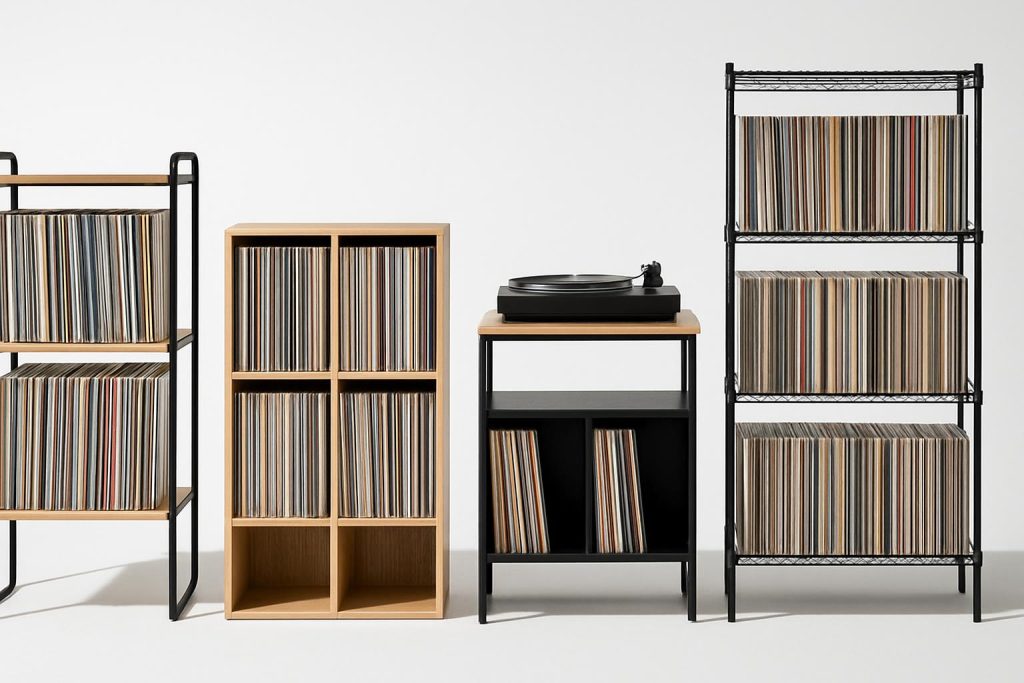
Storing vinyl records in 2026 is about more than finding a place to stack sleeves. It is about consistent support across the full jacket, enough depth so corners do not curl, and weight capacity that will not sag over time. The picks below prioritize dimension fit, stability, and expandability. If you are building your first setup or upgrading from makeshift bookcases, this guide shows exactly what to consider, then reviews four shelves that do the job with less fuss and fewer risks.
How to choose shelves for vinyl records in 2026
Depth and clearance come first
Standard LP jackets need interior depth a bit over 12 in. Shallow bookcases can bow jackets and catch corners. Aim for shelf or cube interiors of at least 12.5 in. This gives safe clearance for outer sleeves and occasional gatefolds. If a product does not list interior depth, check buyer photos or ask the seller. A safe rule for beginners: if it is under 12 in deep, skip it for LP storage.
Weight capacity matters more than you think
Vinyl is heavy. A single linear foot can weigh many pounds depending on pressings and sleeves. Weak shelves sag first in the center. Look for thick shelves, metal framing, or solid supports under each shelf. Adjustable metal racks and purpose-built LP racks handle weight best. When in doubt, distribute weight across more shelves rather than packing one cube to the maximum.
Stability and safety are nonnegotiable
Upright, fully loaded shelves can be top-heavy. Prioritize units with broad footprints, cross-bracing, and included anti-tip brackets. Use wall anchors with every upright furniture piece. Level the feet so the structure does not rock. For tall racks, set the heaviest records on the lowest levels to lower the center of gravity.
Materials that treat records well
Engineered wood, metal frames, and finished edges are fine for jackets. Avoid rough unfinished lumber that can scuff sleeves. If you choose wire shelving, add shelf liners so jackets do not imprint over time. Keep any unit away from direct heat, and allow airflow behind the jackets. Stable temperature and moderate humidity protect vinyl and sleeves.
Modularity and future growth
Collections grow. Choose a system you can scale. Stackable cubes, adjustable metal racks, and units with add-on shelves save money and floor space later. Planning for extra capacity reduces overstuffing, which often leads to ring wear and seam splits.
The 4 best shelves for vinyl records
1) Pangea Audio Vulcan LP Storage Rack
Why it helps: This is a dedicated LP rack built around the correct dimensions. The shelves have the right depth for 12 in records with dust sleeves, and the frame is reinforced to resist flex. The open design keeps airflow consistent, which sleeves appreciate long-term. Assembly is straightforward and the structure locks in tight without wobble once squared up.
Best for: Medium to large collections, listeners who want a purpose-built solution that looks clean next to audio gear.
Capacity: Each LP shelf tier holds a robust run of albums before any hint of strain. Expect about a hundred or more standard-weight LPs per shelf depending on outer sleeves and pressing thickness. You can add tiers or pair two racks side by side as your collection grows.
What I think: I think this is the easiest way to get a set-and-forget rack that respects jacket size and record weight. It feels secure, does not drift out of square, and the shelves do not telegraph sag even with regular use. The look is understated, so it disappears visually and lets spines remain the focus.
Potential downsides: Open sides leave records exposed at the ends. Simple metal bookends or side panels solve that. On hard floors, add felt pads to keep it from sliding while you flip through a packed shelf. Factor in wall anchoring if you go higher than waist height.
Setup tips: Build it exactly where you plan to use it. Level the feet before loading vinyl. Start with your heaviest records on the bottom shelf. Use thin shelf liners only if your jackets are sliding too freely; otherwise leave surfaces bare for better grip.
2) Way Basics Vinyl Record Cube Storage
Why it helps: These lightweight cubes are designed for the depth vinyl needs. They use an eco-friendly board material that is simple to assemble without tools. The interior clearance is generous enough for jackets with outer sleeves, and the square format makes browsing easy. Stack them as a grid and you have a simple wall of records without committing to a large furniture piece.
Best for: Starters and renters, small to mid-size collections, anyone who needs modular growth and quick assembly with minimal tools.
Capacity: A single cube manages a moderate block of records comfortably. Plan conservatively per cube so the panels stay true over years, not months. Adding a second column instead of overloading one cube keeps stress low and alignment clean.
What I think: I think these shine for people who like to reorganize or move often. The grid look is clean, and replacing one cube is easier than replacing a full cabinet. They also make it simple to separate genres or keep a now-playing section in its own cube.
Potential downsides: These are not made for wet spaces or heavy abuse. Avoid stacking them too high without a wall anchor. If you live in high humidity, keep airflow and dehumidification in mind so the material stays stable. I also keep weight balanced side to side on each row to prevent subtle leaning.
Setup tips: Use the included backers for squareness. Anchor the top row to the wall. If stacking three or more high, stagger seams for better strength. Add thin non-slip pads under the bottom row to prevent creeping on smooth floors.
3) Novogratz Concord Turntable Stand
Why it helps: This stand combines a stable top for your turntable with deep record cubbies below. The compartments are designed to fit LPs correctly, so there is no fighting with corners. Cable management is straightforward, and the cabinet footprint suits living rooms where a full rack would look too industrial.
Best for: Small spaces and living rooms where the turntable is part of the furniture. Ideal for collections that live in rotation rather than deep archive quantities.
Capacity: The lower cubbies hold a solid stack of essential records. Treat it as your daily driver selection, with overflow on another shelf or nearby cubes. The top keeps the deck at a usable height, and the lower mass helps the cabinet feel planted.
What I think: I think this is the right pick when you need a tidy, integrated look with enough storage for favorites. The proportions suit modern apartments, and the shelves meet the depth test that many media stands fail. It is also a good entry option if you are moving off a dinner table or desk setup.
Potential downsides: Veneer can chip if you rush assembly. Lay parts on a blanket and pre-sort hardware. Use the anti-tip bracket. The cabinet is not meant for a giant archive, so plan an additional shelf if your buying habit ramps up.
Setup tips: Assemble near the final spot. Adjust the feet to remove any wobble before adding the turntable. Use a thin isolation mat under the deck if your floor bounces. Keep the heaviest box sets at the bottom and leave a finger-width of headroom above records for easy flipping.
4) Amazon Basics 5-Shelf Heavy Duty Storage Shelving Unit, 18 in Deep
Why it helps: Adjustable wire shelving with 18 in depth gives you ample clearance for vinyl, sleeves, and even protective outer jackets. The posts and shelves handle heavy loads without complaint. This is the most flexible option for odd rooms, basements, and growing collections. Height between shelves adjusts in small increments, so you can dedicate a level to box sets or add shallow levels for 7 in records.
Best for: Large or fast-growing collections, utility rooms, and anyone who wants a workhorse that can be reconfigured at any time.
Capacity: Each shelf can take serious weight when assembled correctly. Load the lower shelves first. Distribute albums across levels rather than maxing one shelf to its limit. Expect to store much more here than on typical living room furniture.
What I think: I think this is the most budget-friendly path to serious capacity. It is not the most design-forward, but it stays square, holds weight, and adjusts as your needs change. With a few accessories, it becomes a near-perfect archive solution.
Potential downsides: Wire grids can mark jacket edges if you slide sleeves across them repeatedly. Use thin shelf liners or rigid boards under each row. The look is industrial, so it suits studio corners or spare rooms more than curated living areas. It is tall, so I always anchor the top to a stud.
Setup tips: Add clear polycarbonate or plywood liners cut to shelf size. Install adjustable feet or casters rated for the load. Keep at least a couple inches behind the rack for airflow and easy cable routing if you store gear nearby. Place the rack on a level surface and use a small level while assembling to square it up.
How many records fit and how to load them safely
For quick planning, a cube interior around 13 in generally fits about 50 to 70 standard-weight LPs if you include outer sleeves. A long 36 in shelf can hold two to three times that, but avoid packing so tight that jackets catch or warp when you pull them. Aim for a little wiggle room so air moves and spines are readable.
Always store LPs vertically. Leaning causes slow warping and ring wear. When a section is half-full, add a temporary spacer such as an unused bookend or a piece of rigid foam to keep the row upright. Rotate heaviest box sets to lower shelves. If you hear a shelf creak or see a line of light between a shelf and its upright supports, remove weight and reassess immediately.
Organization tips that make daily use easier
Sort by what you reach for most
Keep current rotation at arm height. File by artist, then year for that artist. Separate 7 in and 10 in formats to dedicated levels so they do not disappear between 12 in sleeves. Use simple dividers or labeled bookends to mark decades or genres.
Protect and maintain sleeves
Outer sleeves add gentle glide and reduce scuffs. Inner anti-static sleeves protect vinyl faces. Keep sunlight off spines to prevent fading. Dust shelves and spines lightly each month to stop grit from migrating into sleeves.
Anchor, level, and keep room climate stable
Use anti-tip brackets for any upright piece. Level feet to keep stress even. Aim for steady indoor humidity and a comfortable room temperature. Keep units away from radiators and avoid pressing records tight against a wall that can carry seasonal moisture.
Who should choose which shelf
If you want a dedicated, furniture-grade rack that focuses on vinyl first, pick Pangea Audio Vulcan LP Storage Rack. If you are just starting and value modular growth without committing to a full cabinet, pick Way Basics Vinyl Record Cube Storage. If you need a compact, living-room-friendly stand that also hosts a turntable, pick Novogratz Concord Turntable Stand. If you need maximum flexibility and capacity on a budget, pick Amazon Basics 5-Shelf Heavy Duty Storage Shelving Unit, 18 in Deep.
Conclusion
The right shelf keeps records straight, supported, and accessible. In 2026, the best options balance correct depth, strong load handling, and room to grow. Purpose-built LP racks like the Pangea deliver long-term stability. Modular cubes like Way Basics scale cleanly as your tastes change. Integrated stands like the Novogratz Concord streamline compact rooms. Adjustable metal racks from Amazon Basics build high-capacity archives without strain. Choose the format that matches your room and listening style, then anchor it, level it, and load it with care. Your collection will look better and last longer.
FAQ
Q: What shelf depth is ideal for storing vinyl records
A: Aim for interior depth of at least 12.5 in so jackets and outer sleeves clear without corner damage.
Q: How many LPs fit in a typical 13 in cube
A: Expect about 50 to 70 standard-weight LPs if you use outer sleeves and leave a little breathing room.
Q: Is wire shelving safe for vinyl
A: Yes, but add thin shelf liners or rigid boards so jackets do not imprint on the wire grid and slide cleanly.
Q: Should I anchor my record shelves to the wall
A: Yes, always anchor upright furniture and especially taller racks to prevent tipping under load.
Q: What is the best way to load records to avoid warping
A: Store LPs vertically with light side pressure, avoid overpacking, and keep the heaviest box sets on the lowest shelves.