
We are reader supported. When you purchase through links on our site, we may earn an affiliate commission. Also, as an Amazon affiliate, we earn from qualifying purchases.
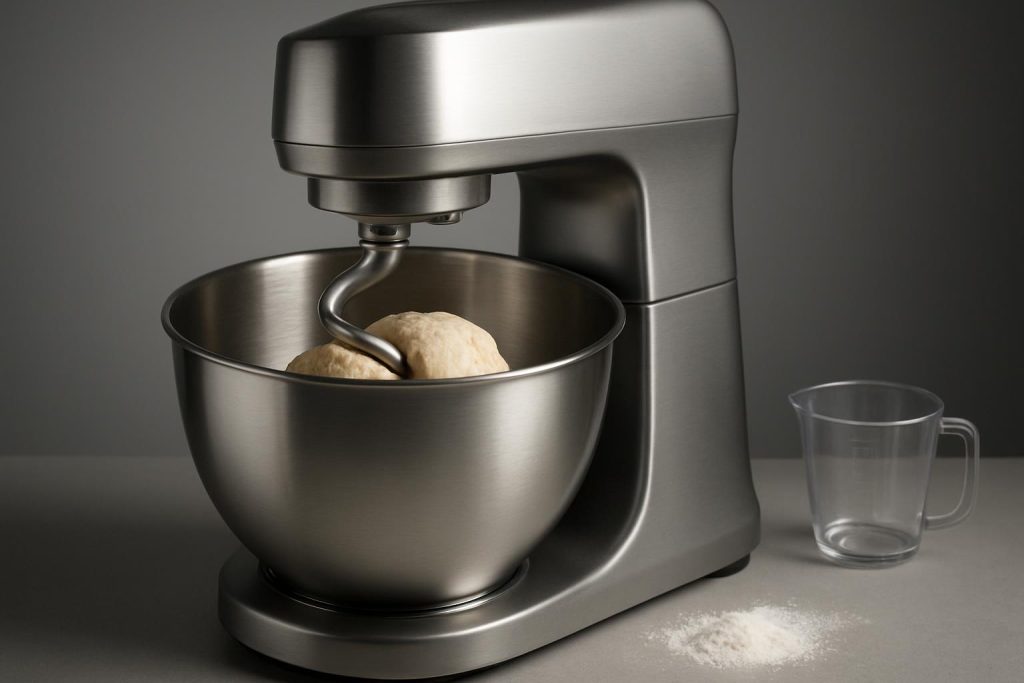
Roti dough is simple but demanding. Atta is low hydration and dense, so a stand mixer must deliver steady torque at low speeds, knead evenly without overheating, and keep the dough from riding up the hook. If you want soft, pliable rotis without hand kneading, the right mixer makes a real difference. Below I narrowed the field to four mixers that consistently handle stiff dough and daily use. I focus on bowl size, motor design, hook geometry, and real usability details that matter at home.
Quick take The 4 best stand mixers for roti dough in 2026
– Best overall power and capacity Ankarsrum Original 6230 7.4 qt
– Best value for big batches Bosch Universal Plus 6.5 qt
– Best mainstream pick KitchenAid Professional 600 Series 6 qt
– Best premium bowl lift Kenwood Chef Titanium XL 7 qt
What to look for before you buy
Capacity and batch size
For roti, most households mix 300 to 800 g of atta per batch. A 6 to 7 qt bowl gives headroom for hydration, kneading, and cleanup. Small tilt head mixers under 5 qt struggle with dense dough and tend to walk or stall on larger batches.
Low speed torque matters more than peak watts
High wattage looks impressive but the control system and gearing decide how the machine behaves at speed 1 or 2. You want a mixer that holds RPM without surging, protects the motor, and keeps the dough moving along the bowl wall.
Dough hook design
Spiral hooks and center post systems move dough down and through rather than slapping it around. C shaped hooks can work but usually need more scraping. For roti, a spiral or Ankarsrum style roller and scraper minimize overheating and produce smooth dough fast.
Bowl lift vs tilt head
Bowl lift frames are stiffer and keep the head locked, which reduces bounce when kneading stiff dough. Tilt head is easier to access but can flex under load. For frequent roti, bowl lift or bottom drive designs are safer picks.
Overload and cooling
Look for thermal protection and bowls that do not trap heat. Roti dough kneads quickly, but long runs with stiff dough can overheat small gearboxes. A short rest mid knead is healthy for the dough and the motor.
The 4 best stand mixers for roti dough
Ankarsrum Original 6230 7.4 qt
Why it helps The Ankarsrum uses a unique rotating bowl with a roller and scraper, plus an optional dough hook for heavy bread. This setup excels at low hydration doughs like roti because it kneads by stretching and folding along the bowl wall rather than beating the dough. Torque delivery is smooth and consistent at low speeds.
Best for Large families, weekly meal prep, and anyone who wants ultra smooth roti dough with minimal heat buildup.
Key specs 7.4 qt stainless bowl, 600 W motor with electronic speed control, wide speed range, metal gearbox, includes roller and scraper with additional hook available. Weighty base for stability. Quiet compared to most high power mixers.
Roti dough performance The roller presses the dough gently against the bowl while the scraper continually folds it back. This keeps hydration even and prevents dough from climbing. Typical roti dough reaches a supple, non tacky state in about 5 to 8 minutes at low speed depending on hydration and batch size. The open bowl makes it easy to drizzle in water or oil a teaspoon at a time, which I think is ideal when dialing in atta consistency.
Setup and usability You place the roller a short distance from the bowl rim and let the dough self correct. There is a small learning curve to position the roller and set speed. After two or three batches it feels natural. The bowl is open on top, so scraping and checking gluten development is effortless.
Cleaning and care The stainless bowl, roller, and scraper wipe clean quickly. There are fewer tight crevices than most planetary head mixers. The weight and size mean you will likely give it a permanent spot on the counter.
Potential downsides Higher price than mainstream mixers. Tall profile under low cabinets. The mixing style is different and needs a short adjustment period. Heavier than average.
What I think For regular roti makers, this has the most forgiving workflow. The dough temperature stays stable, gluten develops evenly, and I spend less time scraping. If budget allows and you want a long term machine, this is the top pick.
Bosch Universal Plus 6.5 qt
Why it helps Bottom drive power with a center dough hook moves stiff dough from the middle to the outside and back. The wide bowl gives dough room to circulate, and the motor manages low RPM torque without pulsing.
Best for Big batches at a fair price, especially if you also bake bread. Great choice if you need to make dough for 12 to 20 rotis in one go.
Key specs 6.5 qt bowl, 800 W motor, geared transmission, suction cup feet, optional stainless bowl available, plastic or metal bowls depending on bundle. Comes with dough hook and whisks in most kits.
Roti dough performance With 400 to 900 g of atta the Bosch maintains steady kneading at speed 1 or 2. Dough does not climb the post and rarely needs scraping. From mix to smooth ball is often 6 to 9 minutes, and the motor stays cool. The large bowl makes hydration adjustments simple, and the splatter lid is handy for keeping flour dust down.
Setup and usability Light for its capacity and easy to store. The bottom drive design keeps the countertop clear around the bowl. Adding water or oil is easy through the lid opening. Small batches under 250 g of flour may need a quick manual fold or two to keep contact with the hook.
Cleaning and care Parts separate quickly. The center post and bowl base need an extra wipe to clear flour paste, but the smooth plastics clean up fast. Stainless bowl variants resist staining.
Potential downsides More parts to store than a traditional planetary mixer. The standard plastic bowl can show wear over time. Very small batches sometimes do not engage well without stopping to scrape once.
What I think Best value for families who batch prep. It handles roti dough confidently, doubles as a serious bread mixer, and does not demand as much counter space as its capacity suggests.
KitchenAid Professional 600 Series 6 qt
Why it helps The bowl lift frame and spiral dough hook generate a strong kneading action that suits low hydration dough better than smaller tilt head models. Attachments and parts availability are excellent.
Best for Home cooks who want a familiar planetary mixer that can still handle regular roti nights.
Key specs 6 qt stainless bowl, 575 W motor, all metal gears in most current units, 10 speeds, spiral dough hook included. Heavy and stable with a locking bowl lift mechanism.
Roti dough performance The Pro 600 mixes 300 to 700 g of atta comfortably at speed 1 to 2. The spiral hook pulls dough down, reducing bowl climb. Expect about 6 to 10 minutes to a smooth, elastic dough depending on hydration. For very stiff dough, I like to start with a brief mix, rest for 10 minutes, then finish kneading. This keeps the motor relaxed and yields softer rotis.
Setup and usability The bowl lift arms hold position under load, which keeps the head from bouncing. Headroom is tighter than a tilt head, but the spiral hook engages well. Attachments for grinding or rolling can expand the workstation if you cook broadly.
Cleaning and care The bowl and hook clean quickly. Flour can collect around the bowl arms and under the head, so a quick brush or damp cloth pass helps. Keep an eye on motor heat with successive batches and give a short rest as needed.
Potential downsides Can warm up on long, stiff dough sessions. Not as quiet as premium units. The sweet spot is mid size batches 300 to 700 g flour. Very small batches may need a quick scrape.
What I think A reliable mainstream choice that many kitchens already trust. If you want one machine for everything and roti is on the menu a few times a week, this is a sensible pick with good parts support.
Kenwood Chef Titanium XL 7 qt
Why it helps A high power motor with robust bowl lift architecture and a well shaped spiral hook gives steady torque and consistent kneading. The larger bowl helps stiff dough circulate without slapping the sides.
Best for Power users who want premium build, more headroom than 6 qt, and strong low speed control for dense dough.
Key specs Around 7 qt capacity, powerful motor commonly above 1400 W depending on exact variant, metal body, variable speed control with soft start, sturdy spiral dough hook. Lighting on some variants improves visibility inside the bowl.
Roti dough performance With 400 to 900 g of atta, the Kenwood kneads at low speed smoothly without hunting for RPM. The spiral hook keeps dough circulating and reduces climb. For stiff doughs it shows less strain than many mid range mixers. I think the extra bowl space gives more even hydration and quicker cleanup.
Setup and usability The head is solid and the bowl lift is reassuring under load. Controls feel precise. The footprint is sizable, so measure your counter depth and cabinet clearance.
Cleaning and care Stainless bowl and hook clean up easily. The heavy body is best left on the counter. The finish resists staining with normal care.
Potential downsides Premium pricing. Heavier than typical home mixers. Accessories can add cost if you expand later.
What I think If you want a traditional planetary mixer with near commercial feel and you make rotis for a crowd, this is a strong long term investment.
Buying guide for roti dough mixers
Bowl capacity and geometry
Choose 6 qt or larger. Room in the bowl prevents compacted dough lumps and makes small hydration tweaks easier. Wider bowls improve circulation and reduce dough ride up on the hook.
Motor and control logic
Look for electronic speed control that prevents surging when the dough stiffens. Soft start avoids flour blasts and protects gears. Continuous duty ratings and thermal protection are signs of a robust design.
Hook type and shaft design
– Spiral hooks move dough downward and inward. Best for stiff doughs.
– Center post systems like Bosch move dough in a circular flow path with good contact.
– Roller and scraper like Ankarsrum stretch rather than beat, which keeps dough cool.
Frame stiffness
Bowl lift frames and bottom drive bases resist flexing under load. Less flex means better gluten development and less head bounce.
Noise, heat, and longevity
All mixers make noise, but lower RPM torque and metal geartrains often reduce harshness. Heat is the enemy of both motors and dough. Short kneading cycles with brief rests extend life and improve texture.
Service and parts
Availability of hooks, bowls, and gaskets matters. Popular models like KitchenAid and Bosch have wide parts ecosystems. Premium brands like Ankarsrum and Kenwood offer durable components with strong support.
How to mix roti dough in a stand mixer
Batch size
Start with 300 to 500 g of atta until you learn the machine. Large batches are fine once you know the dough circulation pattern.
Hydration and mixing order
Combine atta and about 55 to 65 percent water depending on brand and climate. Start low and add a teaspoon at a time. Add salt and optionally a teaspoon of oil for softer rotis.
Knead time and speed
Use speed 1 to 2 only. Mix until the dough looks ragged, rest 10 minutes to let the flour hydrate, then knead 3 to 6 minutes until smooth and elastic. Stop sooner than you think to avoid overworking.
Monitoring the dough
The dough should clean the bowl sides but stay soft to the touch. If it smears on the bowl, add a teaspoon of flour. If it tears or rides the hook, add a teaspoon of water and let the machine pull it down.
Rest and roll
After kneading, cover and rest 15 to 30 minutes. This relaxes gluten and makes rolling thin rotis easier.
Which one should you pick
– Choose Ankarsrum if you want the smoothest, coolest knead and plan to make roti often for years.
– Choose Bosch Universal Plus if you want big batch strength and strong value.
– Choose KitchenAid Pro 600 if you prefer a familiar ecosystem and make mid size batches.
– Choose Kenwood Chef Titanium XL if you want premium build and bowl lift strength with extra capacity.
Conclusion
Roti dough rewards consistent low speed torque and smart bowl design. All four mixers here can deliver soft, pliable dough without hand kneading. The right choice depends on batch size, counter space, and budget. Focus on capacity, low speed stability, and hook design. Keep speeds low, rest the dough, and make small hydration adjustments. With that approach, you will get reliable, soft rotis day after day.
FAQ
Q Is a bowl lift mixer better than a tilt head for roti dough
A Bowl lift frames are stiffer and keep the head locked, which reduces bounce when kneading stiff dough. For frequent roti, bowl lift or bottom drive designs are safer picks.
Q How big should the bowl be for roti dough
A Choose 6 qt or larger. Room in the bowl prevents compacted dough lumps and makes small hydration tweaks easier.
Q What speed should I use to knead roti dough in a stand mixer
A Use speed 1 to 2 only. Mix until the dough looks ragged, rest 10 minutes, then knead 3 to 6 minutes until smooth and elastic.
Q Which mixer is the best value for big batches
A Bosch Universal Plus is the best value for big batches because the bottom drive power and wide bowl keep stiff dough moving without strain.
Q What hook style works best for roti dough
A Spiral hooks and center post systems move dough efficiently and reduce climb, while the Ankarsrum roller and scraper stretch the dough gently and keep it cool.