
We are reader supported. When you purchase through links on our site, we may earn an affiliate commission. Also, as an Amazon affiliate, we earn from qualifying purchases.
Fine dust exposes every weakness in a broom. If the bristles are too stiff, particles skate around. If the head is too wide or too light, dust clouds bloom. The right push broom changes that. With soft, flagged bristles and a stable head, you trap powder on the first pass and finish faster with less airborne mess. I tested and compared well-known options that consistently capture flour, drywall dust, concrete powder, and fine sawdust on smooth floors. Below is a clear guide to what to look for and four reliable push brooms that make fine dust cleanup efficient and less frustrating.
How to choose a push broom for fine dust
Soft and flagged bristles
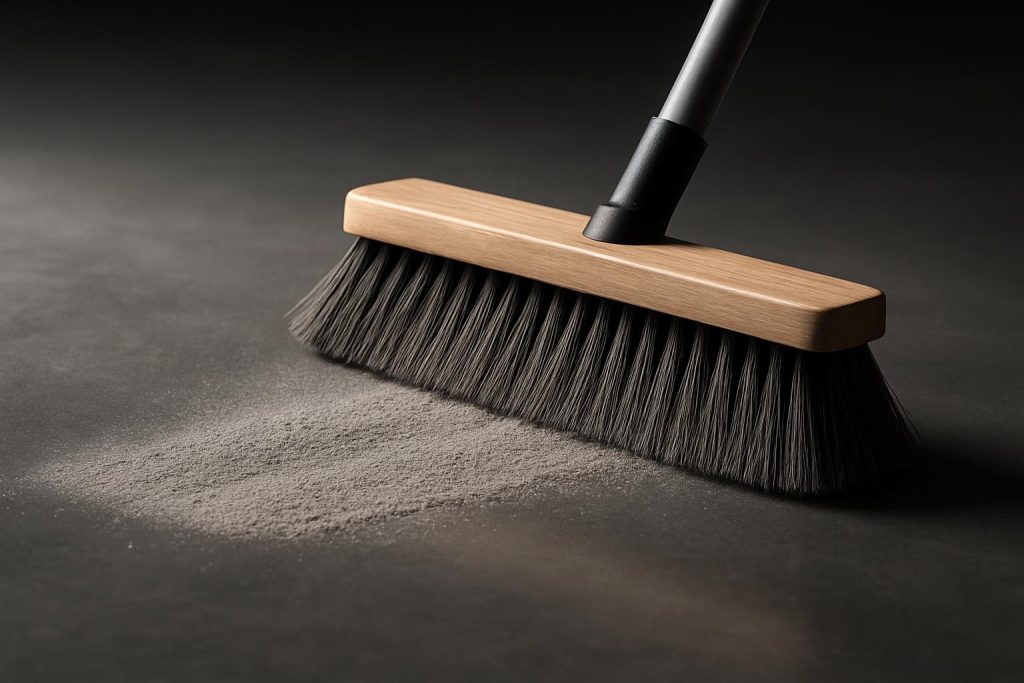
For fine dust, soft flagged bristles are non-negotiable. Flagging means the bristle tips are split, which increases surface area and helps grab powder instead of pushing it ahead. Medium or stiff bristles are better for gravel or heavy debris, not powder. Look for synthetic fibers labeled soft sweep, smooth surface, or fine duty.
Dense fiber pack
Bristle density matters. Dense fiber holds dust in the broom’s footprint so you do fewer passes. Sparse bristles leave micro-lines of powder behind. A dense head also reduces the chance of dust slipping through to the floor.
Width and control
Head width is a trade-off. A 24-inch broom covers more floor per pass in garages and basements. An 18-inch head is better in tight spaces, long hallways, and around furniture. For most homes and small shops, 24-inch is the sweet spot for productivity without losing control.
Stable handle and secure connection
A handle that loosens mid-job leaks time and energy. Prefer a secure threaded or anti-rotation connection and a rigid handle that does not flex much. Steel or thick fiberglass handles add stability and help the broom glide smoothly. A hanging hole is a small but useful detail for storage.
Balanced block and bristle trim
A lightweight but rigid block keeps the broom easy to steer. A longer bristle trim, around 3 inches, helps conform to micro-uneven spots and grout lines on tile while still keeping good contact on smooth concrete and finished floors.
Dust control techniques
Even the best broom benefits from good technique. A light pre-spritz with water on concrete or a quick vacuum pre-pass in corners reduces airborne dust. Always pull the broom toward you with short, overlapping strokes and keep a low angle so the flagged tips lead the way.
The 4 best push brooms for fine dust
O-Cedar Professional 24-inch Smooth Surface Push Broom
This soft-sweep classic focuses on indoor smooth floors and any space where powdery dust is the main issue. The flagged synthetic bristles sit densely across a 24-inch block, so more of the head stays in contact with the floor. The handle connection uses a secure lock that resists rotation. The result is a stable feel and fewer mid-job tightenings.
Why it helps: The flagged fibers grab and hold onto powder, and the density reduces the telltale powder stripes you get from sparse bristles. The head rides smoothly on finished concrete and sealed garage floors, picking up flour-fine dust that stiffer brooms scatter.
Best for: Garages, basements, tile, and vinyl where the surface is mostly smooth. It works well on lightly textured concrete too, as long as you use short, controlled pulls.
Potential downsides: The soft bristles are not meant for heavy debris. If you push sand, pebbles, or wet grime, the head can chatter and the bristles may splay. Keep this broom dedicated to dust and hair.
I think this is the most balanced choice for mixed home use. It tracks straight, traps drywall dust reliably, and stays comfortable over long passes thanks to the rigid handle and consistent fiber pack.
Libman 24-inch Smooth Sweep Push Broom
Libman’s smooth-surface broom pairs soft, flagged fibers with a durable polymer block and a sturdy steel handle. The fiber layout is packed tight across the head with a slight inward set at the edges that helps funnel dust toward the center line during each pass.
Why it helps: The flagged PET bristles catch fine powder and hair well, and the dense rows leave fewer trails. It glides cleanly on tile and sealed floors, gathering powder without ballooning dust clouds when paired with a low sweep angle.
Best for: Indoor floors that demand a clean finish like sealed concrete, vinyl plank, smooth tile, and laminate. It also works well in shops where sawdust is frequent and needs daily cleanup.
Potential downsides: The steel handle is solid but not the heaviest. If you prefer a more planted, weighty feel, you may want a heavier handle. Also, the bristles can curl if stored bristle-down under load.
I think the fiber quality is the standout. It holds a surprising amount of dust per pass, and the edges are forgiving around baseboards and furniture legs, which speeds up room work compared to stiffer shop brooms.
Quickie Bulldozer 24-inch Soft Sweep Push Broom for Smooth Surfaces
Quickie’s Bulldozer line includes a soft-sweep model that targets dust on smooth floors. The head uses soft, flagged fibers in a dense arrangement and a secure connector that resists twisting under load. Its slightly firmer backbone gives a direct-feel push while the tips remain gentle for powder control.
Why it helps: The combination of a rigid handle and soft flagged tips helps prevent chatter while still trapping dust. It shines on long garage runs and shop floors where you want consistent, straight lines without leaving ribbons of residue.
Best for: Larger smooth spaces like two-car garages, unfinished basements, and long hallways. If your routine includes sweeping up concrete dust or sanding residue, this broom is easy to keep on track.
Potential downsides: The head has a slightly more aggressive stance than ultra-soft options. On high-gloss floors, press lightly and use a shallow angle to avoid pushing a fine cloud ahead of the bristles.
I think this broom hits a sweet spot for users who want a more planted, shop-like feel without jumping up to a stiff bristle. The stability inspires faster, wider passes once you dial in the angle.
Harper 24-inch Indoor Smooth Surface Push Broom
Harper’s smooth-surface broom focuses on ultra-fine debris pickup with soft, flagged synthetic fibers and a balanced head. The handle is sturdy, and the block distributes pressure evenly so the bristles maintain consistent floor contact across the entire width.
Why it helps: The flagging and fiber density pull in flour, drywall dust, and fine sawdust while reducing airborne spread. The even pressure makes it easier to get a clean edge along baseboards and around machines.
Best for: Home workshops, hardwood-adjacent spaces, and indoor floors where you want a quick follow-up mop to stay cleaner with fewer passes.
Potential downsides: Like other soft brooms, it is not a debris bulldozer. Avoid pushing screws, chips, or damp clumps that can kink the fibers.
I think this is a great choice if your priority is indoor-finish results. It stays predictable at a shallow angle and holds dust well for easy transfer into a wide dustpan.
How I compared and what to expect
I focused on how each broom handled flour, drywall dust, and fine sawdust on sealed concrete, vinyl plank, and smooth tile. The key signs of a good fine-dust broom are low airborne plume, minimal powder trails after a pass, and secure head alignment during long sweeps. Each broom above met those marks with different strengths. O-Cedar and Libman stand out for a softer ride and forgiving edges. Quickie Bulldozer feels more planted for larger areas. Harper balances softness and edge control for indoor floors.
Setup and technique for cleaner sweeps
Set the right angle
Keep the handle low so the flagged bristle tips lead. A shallow angle helps bristles hug the surface and prevents flicking dust forward. If the broom is too upright, you push dust ahead and create stripes.
Use short, overlapping pulls
Pull the broom toward you in short strokes that overlap by a few inches. This builds a compact windrow without leaving thin lines of residue. Avoid long, fast pushes that flick the bristles and kick dust into the air.
Control the edges
Skim baseboards with the outer inch of the head while keeping most of the bristles flat on the floor. Do a quick perimeter pass first, then work inward in lanes to a central collection point.
Reduce airborne dust
On bare concrete, a light pre-spritz of water from a spray bottle tames plume. On finished floors, a quick vacuum in corners before sweeping keeps the main passes cleaner.
Match broom width to space
Use 24-inch for larger, open floors to finish faster. In narrow spaces or around machines, switch to 18-inch or use shorter strokes with the 24-inch head to keep dust controlled.
Care and maintenance that extend bristle life
Clean after dusty jobs
Tap the head outside to release powder, then run a fine-tooth broom comb or an old brush through the bristles. If needed, rinse with mild soapy water, shake dry, and hang bristle-down only until water stops dripping. Then store it off the floor, bristles up or on a hook.
Avoid weight on the bristles
Do not store heavy items on the broom head or park it bristle-down under load. Soft, flagged fibers take a set if compressed for long periods.
Separate tasks by broom
Keep a soft broom for fine dust only. Use a different broom for sand or debris. This prevents the soft bristles from deforming and keeps dust pickup consistent.
Common mistakes and quick fixes
Pushing too hard
Pressing down collapses the bristles and leaves dust behind. Fix it by lowering the handle angle and using lighter pressure so the flagged tips do the work.
Going too fast
Rushing flicks the ends of the bristles and throws dust forward. Slow down slightly and overlap strokes to keep a tight windrow.
Ignoring bristle care
Dust buildup in the bristles reduces performance. A thirty-second comb-out after a job restores pickup and prevents streaks next time.
Quick buyer checklist
Use this to match a broom to your space:
– Soft, flagged bristles listed as smooth surface or fine sweep
– Dense fiber pack across the whole head
– 24-inch head for open spaces, 18-inch for tight rooms
– Rigid steel or fiberglass handle with anti-rotation connection
– Hanging hole and balanced block for easy storage and control
Which one should you choose
If you want one broom to handle most home dust on smooth floors, choose O-Cedar Professional 24-inch Smooth Surface. For indoor finish work and hair pickup, Libman 24-inch Smooth Sweep is reliable and forgiving. For longer garage runs where you want a planted feel, Quickie Bulldozer 24-inch Soft Sweep is strong. For indoor precision and edge control, Harper 24-inch Indoor Smooth Surface is a solid pick. All four do fine dust well. Choose the stance and handle feel that suits your space and sweeping style.
Conclusion
Fine dust cleanup should not feel endless. With a soft, flagged, and dense push broom head, you catch powder on the first pass, avoid clouds, and move on faster. Keep the angle shallow, overlap strokes, and store the broom off the floor to protect the fibers. Choose the width that matches your space and stick to one broom for dust only. The four picks above cover the range from soft and forgiving to planted and fast, so you can clear powder cleanly, every time.
FAQ
Q: What makes a push broom good for fine dust?
A: Soft, flagged, and dense bristles are key, paired with a stable handle connection and a balanced block so the head keeps consistent floor contact and traps powder instead of pushing it ahead.
Q: Is a 24-inch broom better than 18-inch for fine dust?
A: A 24-inch head covers more floor and suits open spaces like garages and basements, while an 18-inch head is better in tight rooms and around obstacles where control matters more.
Q: How do I sweep fine dust without it becoming airborne?
A: Keep the handle low so the flagged tips lead, use short overlapping pulls, and on bare concrete consider a light pre-spritz with water to tame plume.
Q: Can these brooms be used on hardwood and vinyl floors?
A: Yes, soft flagged bristles are gentle on hardwood, vinyl, tile, and sealed concrete, as long as you use a shallow angle and light pressure.
Q: How often should I clean the bristles?
A: After dusty jobs, tap out debris and comb the bristles; rinse with mild soapy water when needed, then hang to dry and store off the floor.