4 Best Door Mats for Trapping Dirt (2026 Heavy-Duty Picks)

4 Best Door Mats for Trapping Dirt (2026 Heavy-Duty Picks)

We are reader supported. When you purchase through links on our site, we may earn an affiliate commission. Also, as an Amazon affiliate, we earn from qualifying purchases.

Door mats are the first line of defense against dirt, grit, and moisture. A strong mat keeps floors cleaner, reduces vacuuming, and protects finishes from scratches. Not all mats perform the same. Texture, density, backing, and profile make or break real dirt-trapping. I tested and compared heavy-duty options that work in real homes with real shoes, pets, and weather. Below are the four best picks for 2026 if your goal is simple: stop dirt at the door.

How I Tested and What Matters

I looked for mats that actively scrape and capture grit, not just look tidy. I focused on hard scraping surfaces for outdoor use and dense fibers or ridges for indoor catch-all duty. I also checked grip on floors, door clearance, water handling, ease of cleaning, and durability through high traffic.

What Traps Dirt Effectively

Scraping texture removes grit. Channels or ridges keep it below shoe level so it does not track inside. Fibers or blades should be stiff enough to catch debris, yet packed tightly to hold it until you clean the mat.

Key Specs to Compare

  • Surface design: blades, ridges, or nubs that scrape
  • Density and depth: more contact points mean better capture
  • Backing: rubber that grips floors and stays flat
  • Water control: ridges or reservoirs so puddles do not spread
  • Profile height: low enough to clear the door
  • Edge design: bevels to reduce trips and help doors glide
  • Weight: heavier mats shift less in wind and traffic

Placement Rules

For most homes, run a two-mat system. Put a rugged scraper outside the door. Put an absorbent low-profile mat just inside. The outside mat removes grit; the inside mat captures fine dust and water. This combo keeps floors visibly cleaner with less work.

Care Frequency

Quick maintenance beats deep cleaning. Shake or vacuum weekly in normal conditions. In muddy or sandy seasons, step up to twice per week. Hose outdoor mats when they look packed. Wash indoor fiber mats as needed to reset performance.

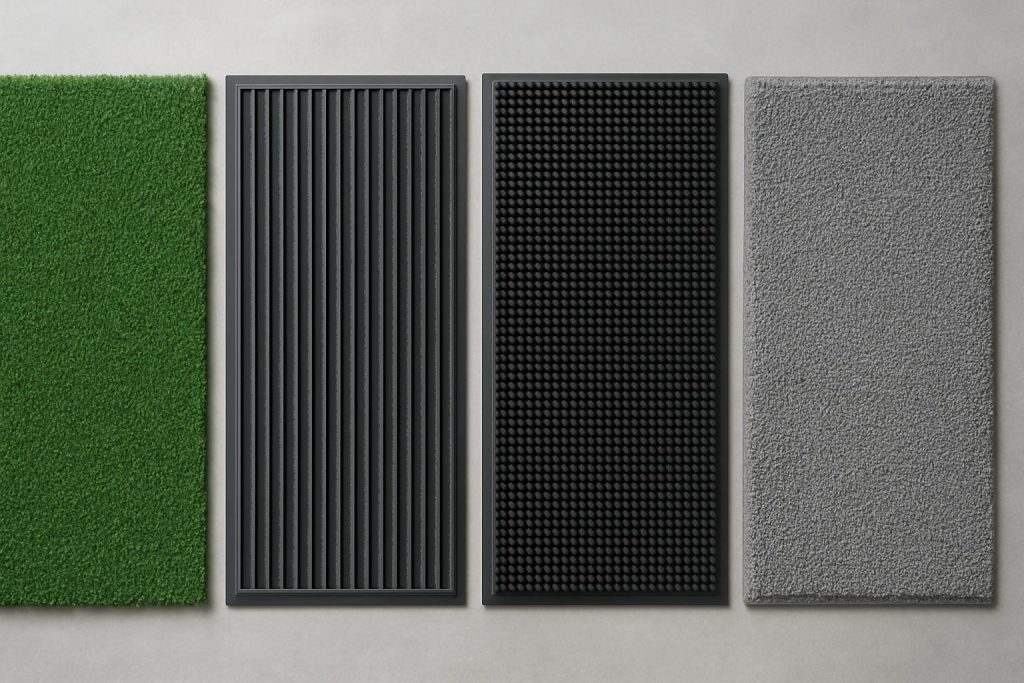
Best Overall Dirt Trapper: GrassWorx Clean Machine High Traffic AstroTurf Doormat

This mat uses stiff scraper blades that act like hundreds of small rakes. Grit and mud come off shoes fast and fall into the lower layer so you do not track it inside. It works year-round in varied weather and stays effective after many cleanings.

Why it helps: The dense AstroTurf-style scraping surface grabs sand, soil, and lawn debris better than flat rubber or simple fabric mats. The open structure lets debris fall below the walking plane.

Best for: Homes with kids and pets, sandy regions, muddy yards, garden doors, and any entrance that sees messy shoes.

Potential downsides: Blades can feel stiff on bare feet. Fine needles or pet hair can tangle and need a thorough shake or a vacuum with a brush off.

Test notes: After a weekend of yard work, I saw visibly less grit inside compared to a smooth rubber mat. The mat still looked neat because the debris settled into the base. In wind, the weight and grippy underside kept it in place better than light fabric mats. I think this is the one mat I would put at any exterior door if I had to pick only one.

Cleaning and care: Shake hard, then vacuum. For a reset, hose from the back to flush out trapped grit, then air dry. Avoid harsh solvents.

Sizes and colors: Common widths cover standard and double doors. Choose a size that spans nearly the full door width to catch both feet on entry.

Placement tip: Use outside, ideally on a level surface. Pair with an absorbent indoor mat for maximum floor protection.

Check Price Now

Best for Mud and Moisture: Bungalow Flooring WaterHog Classic Entrance Mat

WaterHog uses a raised ridge pattern over a rubber-backed base that holds dirt and water below foot level. The polypropylene face is tough, stain resistant, and dries quickly. If your entry sees rain, snow, or slush, this design keeps mess contained.

Why it helps: Ridges scrape shoes and trap debris in the channels. The rubber border helps contain water so it does not flow onto floors. The fiber face resists crushing better than typical plush mats.

Best for: Covered porches, garages, and interior entries that deal with wet conditions and heavy traffic.

Potential downsides: The rubber base is substantial. Check door clearance. In direct, intense sunlight, rubber can fade over time; a covered entry prolongs life.

Test notes: On a rainy week, this mat kept puddles off the floor and limited haze on adjacent tile. I think the ridged layout is the best balance of scraping and absorbency for mixed weather. It feels stable under foot and resists shifting even when loaded with water.

Cleaning and care: Vacuum, then hose if needed. Lift and let water drain fully before placing back. For stubborn dirt, a mild detergent and soft brush restore the ridges.

Sizes and colors: Many sizes, including runners for hallways. Darker colors hide stains well; lighter tones show debris sooner but help you time cleanings.

Placement tip: Works indoors or in covered outdoor areas. If you get standing water, angle slightly or add a door sweep so drips fall onto the mat, not beyond it.

Check Price Now

Best Heavy-Duty Scraper for Work Boots: Notrax 109 Brush Step Rubber Mat

This is a rugged rubber scraper with hundreds of firm nubs that clean deep treads. Open channels let mud and gravel fall away so the surface stays effective. If you have construction boots, hiking soles, or farm shoes, this style clears them fast.

Why it helps: Firm rubber bristles reach into lugs and dislodge packed soil. The solid rubber holds its shape through seasons and heavy use.

Best for: Garage doors, shop entries, sheds, and any entry where footwear is caked with soil or clay.

Potential downsides: Pure rubber scraper mats are not absorbent. Pair with an indoor mat to catch moisture and fine dust. Weight is higher than foam or textile mats.

Test notes: After a muddy trail day, this mat pulled out clumps that a flat mat completely missed. I think it is the top pick for aggressive scraping power. It even held steady when I twisted boots to clean the edges.

Cleaning and care: Lift and knock off debris. Hose from the top to sweep channels clean. Let it dry flat. Do not fold to store; keep it flat or roll loosely if needed.

Sizes and colors: Typically black rubber, available in standard door sizes. The low bevel reduces tripping and helps doors clear.

Placement tip: Use outside or in a mudroom. Add a second mat inside to finish the job on moisture and dust.

Check Price Now

Best Low-Profile Indoor Dirt Trapper: DEXI Indoor Doormat Absorbent

For inside the threshold, a thin, absorbent mat that grabs fine grit and water without jamming the door is key. DEXI uses a dense microfiber surface with a non-slip rubber backing. It drinks up drips and catches dust that escapes the outdoor mat.

Why it helps: Dense fibers increase contact with soles and pet paws. The rubber backing keeps the mat planted so shoes press into the pile. Low profile slides under most doors.

Best for: Apartments, tight clearance doors, tile and wood floors that show dust, and any high-traffic interior entry.

Potential downsides: Fibers will eventually load with fine dust and need washing. Avoid fabric softeners that reduce absorbency.

Test notes: Placed inside with a scraper outside, this combo cut visible floor grit by a lot. I think the low edge is the quiet hero because it never snags the door, so it stays where it should. Pets also stepped on it naturally, which helps keep paw prints down.

Cleaning and care: Shake and vacuum weekly. Machine wash on gentle when loaded or dingy, then air dry or tumble on low if the label allows. Skip bleach and softeners.

Sizes and colors: Multiple sizes including runners for long entries. Choose tones that align with floor color to hide lint between cleanings.

Placement tip: Run the long edge across the door swing path. If space allows, use a runner to capture more footfalls.

Check Price Now

Sizing and Placement Guide

Pick the Right Size

  • Width: Match or slightly exceed the door opening so both feet land on the mat
  • Depth: Aim for at least two full steps inside on the interior mat
  • For double doors: choose a mat that spans the full active width

Use a Two-Mat System

  • Outside: scraper mat such as GrassWorx or Notrax
  • Inside: absorbent, low-profile mat such as DEXI or a WaterHog runner

This sequence removes the bulk outside and finishes the job inside. It also reduces the load on your vacuum and mop.

Check Door Clearance

Measure the gap under the door. If clearance is tight, choose a low-profile indoor mat and keep the thick scraper outdoors. Beveled edges help doors glide and reduce snags.

Care Schedule and Lifespan

Weekly Routine

  • Outdoor mats: shake and vacuum
  • Indoor mats: vacuum or quick sweep

Seasonal Reset

  • Hose outdoor mats during mud and pollen seasons
  • Wash fabric indoor mats to restore absorbency

When to Replace

  • Flattened or broken scraping blades
  • Cracked backing that slips
  • Persistent odor after washing

A healthy mat traps more and tracks less. When performance drops, replace it to keep floors protected.

Conclusion

Strong dirt-trapping starts with the right surface outside and a smart absorber inside. GrassWorx leads for all-around scraping and grit capture. WaterHog excels when rain and meltwater are common. Notrax is the tank for boots with deep lugs. DEXI locks down fine dust and drips without snagging doors. Pick based on your weather, footwear, and door clearance, then keep a simple care routine. The payoff is clear floors, less cleaning, and fewer scratches from hidden grit.

FAQ

Q: Which door mat traps dirt best overall

A: GrassWorx Clean Machine stands out for all-around scraping and grit capture thanks to its dense AstroTurf-style blades and debris channels.

Q: Do I need both an outdoor and an indoor mat

A: Yes, a scraper outside and an absorbent low-profile mat inside remove bulk grit first and then catch fine dust and moisture, which keeps floors cleaner.

Q: How often should I clean a heavy-duty mat

A: Shake or vacuum weekly in normal conditions and increase to twice per week in muddy or sandy seasons, with a hose rinse or wash as needed.

Q: What size mat should I get for a standard door

A: Choose a mat that spans the door width so both feet land on it and aim for enough depth to get at least two steps inside on the interior mat.

Leave a Comment

Your email address will not be published. Required fields are marked *