
We are reader supported. When you purchase through links on our site, we may earn an affiliate commission. Also, as an Amazon affiliate, we earn from qualifying purchases.
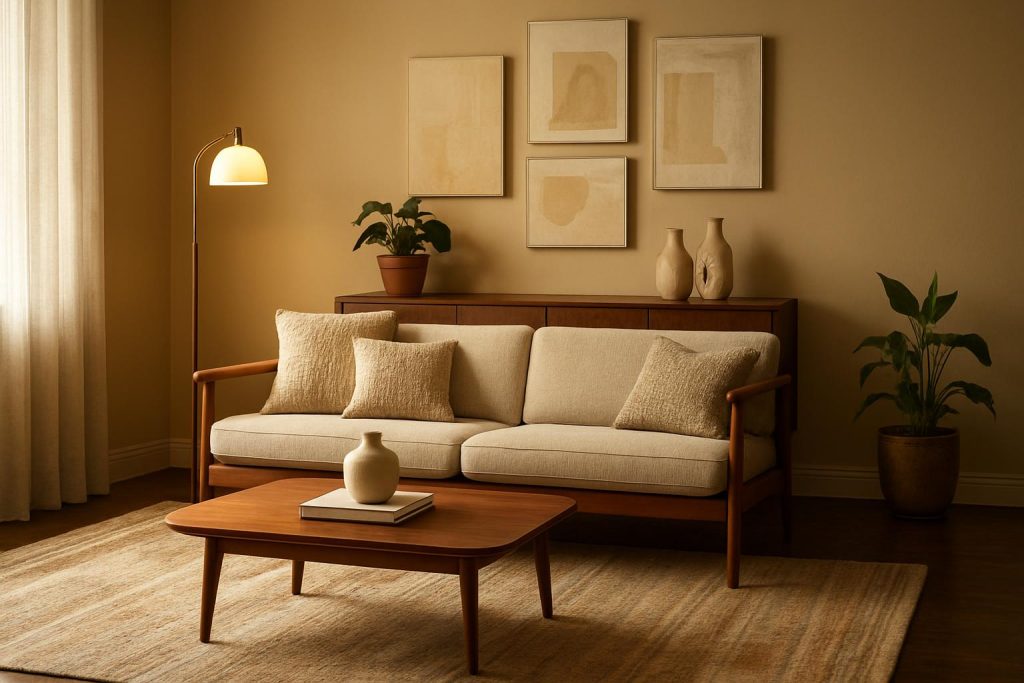
Vintage decor gives your living room depth, comfort, and personality. It feels collected, grounded, and welcoming. You can build it step by step, even with a small budget and little experience. This guide breaks the process into clear moves you can follow today.
Introduction
Vintage does not mean clutter or chaos. It means choosing pieces with age, quality, and story, then arranging them with intention. Start small, learn as you go, and focus on function first. The result is a room that looks cared for and lived in, not staged or trendy.
What Vintage Really Means
Vintage usually refers to items at least 20 years old, often between the 1920s and the 1990s. The goal is not to recreate a specific year. The goal is to use older pieces to add texture, patina, and character to a modern life. Vintage decor balances practical comfort with visual interest. It respects the past without getting stuck in it.
Start With A Clear Plan
Define the mood
Pick a simple mood to guide choices. Cozy library, light and airy, bold and graphic, or calm and refined. Write it down. Every pick must support that mood.
Measure and map
Measure the room, windows, doors, and main wall sections. Note outlets and vents. Sketch a quick floor plan. Mark traffic paths so seating and tables do not block movement.
Inventory and anchor
List what you already own. Keep what has good lines, solid wood, or real metal. Choose one anchor piece to build around. It can be a sofa, rug, or credenza. Let that anchor set scale and color direction.
Build A Cohesive Color Palette
Neutrals as a base
Use a calm neutral base. Think warm whites, oatmeal, greige, or soft gray. This prevents visual noise and lets vintage features stand out.
Pick simple accents
Layer one to two accent colors pulled from a rug or artwork. Repeat them around the room in textiles, art, or ceramics. Keep accents consistent so the room reads as one story.
Unify wood and metal tones
Repeat wood and metal tones for unity. If you have a medium walnut credenza, echo that tone in frames or a side table. If you add brass, repeat it in a lamp, a frame, or hardware.
Choose Key Vintage Furniture
Sofa and seating
Comfort comes first. If the vintage sofa frame is great but cushions are tired, keep the frame and refresh the foam or fabric. A modern sofa can also anchor vintage decor. Add period chairs to bring in shape and detail. Aim for one deep seat for lounging and one upright seat for reading.
Coffee and side tables
Choose a coffee table with durable surface and rounded corners if space is tight. Nesting tables and C tables add flexible surfaces without crowding. Wood, stone, or smoked glass all work if repeated elsewhere.
Storage that adds presence
A vintage credenza, apothecary cabinet, or barrister bookcase grounds the room. Use closed storage for visual calm and open shelves for styled vignettes. Make sure doors and drawers glide smoothly.
Layer Textiles For Warmth
Rugs
A vintage or vintage-style rug sets the palette and anchors furniture. Choose a rug large enough so front furniture legs sit on it. Flatweaves are easy to clean. Wool wears well and softens sound.
Throws and pillows
Use solid textures next to patterned pieces. Mix two scales of pattern at most. Linen, wool, velvet, and cotton add depth. Keep inserts plush but not overstuffed.
Curtains
Hang curtains high and wide to lift the ceiling line. Simple linen or cotton panels frame vintage windows and soften hard edges. If privacy is needed, add sheer underpanels.
Lighting That Sets The Tone
Use three layers
Plan ambient, task, and accent lighting. A ceiling light or two for general glow. Table or floor lamps for reading. Picture lights or small lamps for mood.
Vintage finds
Hunt for brass floor lamps, ceramic table lamps, or milk glass shades. Mix heights to avoid flat light. Aim for warm bulb temperatures for a cozy tone.
Safety and updates
Check sockets and cords, replace brittle wiring, use low heat LED bulbs, and have a professional rewire fixtures that seem unsafe.
Art, Mirrors, And Wall Details
Gallery walls with order
Build a gallery from a shared element such as black frames, gilt frames, or similar mat sizes. Keep consistent spacing. Start with the largest piece and work outward.
Mirrors that amplify
An oversized vintage mirror adds light and expands space. Place it across from a window or a lamp to bounce light. Secure heavy mirrors to studs.
Picture rails and sconces
Picture rails let you adjust art without patching walls. Vintage sconces add character while freeing table space. Keep finishes coordinated with other metals in the room.
Style With Character Pieces
Collections with a point
Display a focused collection like ceramic vases, old cameras, or vintage books. Group by color, height, or material. Avoid scattering small items across every surface.
Books and trays
Use stacked books to add height variations on tables. Corral remotes and coasters on a tray. This keeps surfaces functional and tidy.
Greenery
Plants soften hard lines and bridge eras. Use simple terracotta, aged brass, or stone planters to tie into the vintage palette.
Mix Eras With Intention
Set a dominant era
Anchor one dominant era, add a secondary era for contrast, keep silhouettes simple, repeat materials, and limit the number of different finishes in one view. For example, mid-century as the base with a traditional rug and a modern lamp can feel balanced.
Repeat shapes
Echo curves or straight lines across pieces. If your sofa has clean lines, choose a curved lamp or round table to soften the geometry.
Balance textures
Pair rough with smooth. Old wood next to polished brass. Nubby linen with soft velvet. This creates depth without relying on more color.
Small Living Rooms Strategy
Scaled pieces
Choose leggy furniture to open floor space. Avoid bulky arms and overstuffed cushions. Use nesting tables that tuck away when not in use.
Vertical storage
Wall mount shelves or picture ledges for art and books. Use tall cabinets instead of wide ones. Mirrors and light curtains keep the space bright.
Clutter control
Hide cables. Use baskets for throws. Limit styling on surfaces to essentials plus one accent. Space to breathe makes vintage elements shine.
Budget Sourcing And Buying Tips
Where to look
Try thrift stores, estate sales, flea markets, charity shops, online classifieds, and local auctions, and shop early in the day for the best selection. Ask sellers about delivery or hold options.
Check quality fast
Sit on chairs, open drawers, and check for wobble. Look for dovetail joints, solid wood, and real veneers. Glass should be chip free. Lamps should feel stable.
Negotiate and transport
Be polite and firm. Bundle items for a better price. Measure your car and bring blankets and straps. Protect corners and legs during transport.
Quick DIY Updates
Paint and stain
Clean, sand lightly if safe, and prime before paint. Use wood conditioner before stain for even color. Test finishes on the back or underside.
Hardware swaps
Change knobs, pulls, and lamp finials to shift the style. Match screw spacing to avoid new holes. Keep old hardware in a labeled bag in case you switch back.
Simple reupholstery
Swap seat covers on dining chairs with basic tools. For sofas and armchairs, start with slipcovers if full upholstery is not in budget. Favor durable fabrics with tight weaves.
Cleaning And Care For Vintage
Wood care
Dust with a soft cloth. Clean with a damp cloth and mild soap, then dry fully. Feed wood with paste wax or conditioner sparingly. Avoid silicone polishes. Keep wood out of direct sun and away from heat sources.
Upholstery and rugs
Vacuum gently with an upholstery tool. Blot spills quickly with a clean cloth. Rotate rugs every few months. Use pads to reduce wear and prevent slipping.
Brass and metals
Dust first. If tarnished, test a gentle metal polish on a small area. Many prefer a soft patina, so avoid over polishing. Dry and buff to finish.
Layout And Flow
Conversation first
Arrange seating so people face each other, not only the TV. Keep a table within reach of every seat. Leave clear walkways at least wide enough for easy movement.
Balance and symmetry
Use pairs when the room needs order, like matching lamps on a credenza. Break symmetry with one unique piece for energy. Adjust until the room feels steady, not stiff.
Keep It Evolving
Rotate and edit
Swap art seasonally. Move a chair from one corner to another. Edit surfaces monthly to prevent buildup. A living room gains character when it changes with you.
Stay consistent
As you add pieces, check against your mood, palette, and materials. Let quality guide you. Fewer strong pieces beat many weak ones.
Conclusion
A character filled vintage living room is built on clear planning, a tight palette, and a few strong pieces. Layer textiles, art, and lighting with care. Mix eras with intention and repeat materials to hold it together. Keep comfort first. Maintain and edit over time. The room will feel personal, warm, and complete without rushing.
FAQ
Q: How do I start planning a vintage living room?
A: Start by defining the mood you want, measure the room, map traffic paths, list what you own and what you need, pick an anchor piece, and build a simple color palette around it.
Q: What colors work best for a vintage-inspired living room?
A: Use a calm neutral base, layer one to two accent colors pulled from a rug or artwork, and repeat wood and metal tones for unity.
Q: How can I mix different vintage eras without clutter?
A: Anchor one dominant era, add a secondary era for contrast, keep silhouettes simple, repeat materials, and limit the number of different finishes in one view.
Q: What are good places to find budget vintage pieces?
A: Try thrift stores, estate sales, flea markets, charity shops, online classifieds, and local auctions, and shop early in the day for the best selection.
Q: How do I safely use vintage lighting?
A: Check sockets and cords, replace brittle wiring, use low heat LED bulbs, and have a professional rewire fixtures that seem unsafe.