
We are reader supported. When you purchase through links on our site, we may earn an affiliate commission. Also, as an Amazon affiliate, we earn from qualifying purchases.
Smart organizing does not require expensive bins or custom shelves. With a few dollar store basics and a clear plan, you can cut visual clutter, make every space easier to use, and keep your home tidy with less effort. This guide shows simple, repeatable systems that work in real life. You will see fast wins, then build on them room by room. Start small, complete one micro zone, and move forward with confidence.
Plan First So Every Dollar Works Hard
Map One Micro Zone At A Time
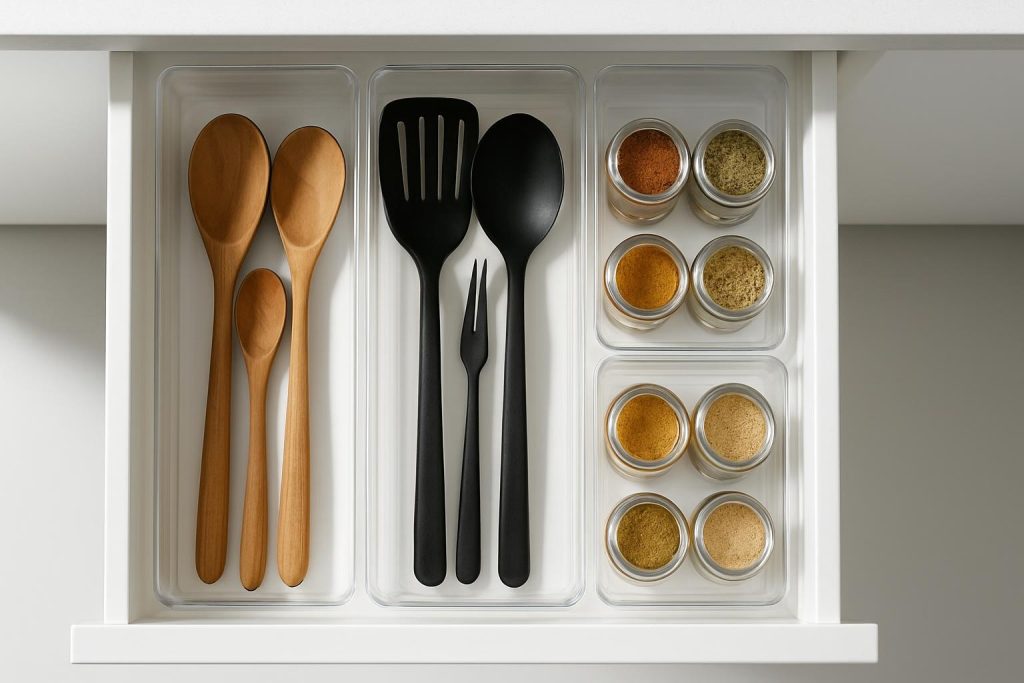
Pick a small area you use daily. Choose something you can finish in under one hour. Examples include a kitchen drawer, the bathroom sink cabinet, or the entry shoe area. Clear it, group like items, declutter obvious extras, then measure the space. Shop the dollar store with exact sizes in mind. This prevents random buys that do not fit.
Choose Clear Or Opaque Intentionally
Use clear bins when you need quick visual access, like in the fridge, pantry, and kids art supplies. Use opaque or woven bins when you want hidden storage for things that are not daily, like seasonal decor or extra toiletries. One choice reduces visual noise. The other speeds up grabbing what you need.
Label For Speed And Accountability
Make simple labels with masking tape and a permanent marker. Add a date if the contents rotate. For a cleaner look, use chalkboard stickers or printable labels from the dollar store. Place labels on the same corner or edge every time so your eye knows where to look. A label is a small step that prevents backsliding.
Entryway That Resets Itself
Create A Drop Zone That Clears In Seconds
Use a small tray for keys and sunglasses. Add a slim bin or mail sorter on a shelf for incoming papers. Keep a trash can nearby for flyers. Place a hook rail for everyday bags and light jackets. Keep the floor clear so quick vacuuming is easy.
Control Shoes With Open Bins
Set one low bin per person near the door. Choose bins with handles for easy grab and go. If you have more shoes than bins, store only the current season here and move the rest to closets. Label each bin by name to prevent pileups.
Add Small Wins For Rain And Pets
Hang adhesive hooks for umbrellas and dog leashes. Place a shallow boot tray for wet shoes. Keep a microfiber cloth in a small caddy to wipe paws and drips before they enter the house.
Kitchen Systems That Save Time
Pantry Zones That Guide Your Hand
Group pantry items by use. Make bins for breakfast, baking, snacks, pasta and rice, and canned goods. Use clear bins with labels on the front. Keep bulk items in larger containers from the dollar store if they seal well. If not, use original packaging inside a bin to corral and contain spills.
Spices That Stay In Order
Use a tiered shelf if available. If not, line up spices in a shallow bin and store them label side up like files. Add a second bin for extras. Keep daily spices at the front and lesser used at the back.
Fridge That Tells You What To Eat
Use clear bins for produce, dairy, and snacks. Place a small bin labeled Eat First for leftovers and perishable items. Add flexible placemats as shelf liners to catch spills. Keep one bin for meal prep items so dinner steps start faster.
Under Sink That Does Not Collapse
Install a small tension rod to hang spray bottles. Place two bins: daily cleaning and backup supplies. Use a narrow file sorter for cutting boards, trays, or pot lids on the side. Keep only one open sponge and one backup to avoid excess.
Bathroom Calm Without Clutter
Countertop Clear Strategy
Use one small tray to hold daily items like toothbrush, face wash, and lotion. Everything else goes into drawers or bins. A clear counter is fast to clean and sets the tone each morning.
Drawer Dividers That Fit
Use small modular trays from the dollar store to create custom sections. Group by use: dental, hair, skincare, cosmetics. Keep only what fits the sections. If a section overflows, edit.
Vertical Storage For Bottles
Mount a narrow spice rack on the wall for skincare bottles if your lease allows. Use adhesive hooks inside cabinet doors for hair tools and brushes. Coil cords with small Velcro ties and store in a labeled pouch.
Shower Order That Lasts
Use a rust resistant caddy or separate corner bins for each person. Keep only current products. Place a squeegee on a hook to reduce water marks and cleanup time.
Closet That Holds Its Shape
Simple Hanger Rules
Use the same style of hanger for a clean look. Group clothes by type, then by color. Add a closet bin for accessories like hats and belts. Store out of season items on a high shelf in labeled boxes.
Small Items In View
Use clear shoe boxes for shoes and small accessories. Label the front. For scarves, attach shower curtain rings to a sturdy hanger and thread scarves through each ring. Keep jewelry in small divided trays in a drawer to prevent tangles.
Bottom Of Closet That Works
Use two low bins for grab and go shoes and gym gear. Keep a lint roller and fabric shaver in a small caddy on the shelf for quick refresh before work.
Bedroom Surfaces That Stay Tidy
Nightstand With A Limit
Place a small tray for glasses, watch, and lip balm. Use a shallow drawer organizer for chargers, earplugs, and hand cream. Keep only one book or notepad on the surface. Anything else goes to a bin in the closet.
Dresser That Sorts Itself
Use soft fabric bins or drawer dividers for socks, underwear, and accessories. Fold items to the same size and file them upright so you can see each piece at a glance.
Kids Room That Teaches Habits
Color Coded Bins
Assign one color per category such as blocks, cars, dolls, and art. Use picture labels for pre readers. Keep bins low and open to make cleanup fast. If bins overflow, rotate toys to a high shelf.
Books And Puzzles That Survive Play
Use plastic book bins to store books face forward. Place puzzles and small games in zipper pouches with the front label visible. Store pouches upright in a bin like files.
Laundry Room Quick Wins
Supplies Within Reach
Use clear jars or bins for pods, clothespins, and dryer balls. Label the front. Keep stain treatment items together in a handled caddy you can carry to any room.
Lost Sock Station
Mount small clips on a board or use a narrow bin labeled Single Socks. Once a week, match or release. A simple station ends the search.
Home Office That Reduces Friction
Paper Flow That Starts And Ends
Use three stackable trays or magazine files labeled In, To Do, and File. Empty the In tray daily. Empty the To Do tray twice a week. File at the end of the week. Keep a small shredder or a trash bin nearby.
Tech And Cables Under Control
Use zipper pouches for chargers and small devices. Label each pouch by device type. Attach adhesive cable clips to the back edge of the desk to park charging cords.
Desk Drawer That Holds Only Work
Use small trays for pens, sticky notes, and clips. Keep one of each type in the top drawer and store extras in a backup bin on a shelf. Refill from the backup when needed.
Craft And Hobby Storage That Invites Use
Small Parts That Stay Sorted
Use ice cube trays, bead organizers, or pill boxes for beads, fasteners, and sequins. Store them inside a larger clear bin with a label on top and side.
Tools You Can See
Use adhesive hooks for scissors and rulers. Store glue, tape, and cutting tools in a handled caddy. Keep current projects in a magazine file so you can put them away fast between sessions.
Garage And Utility On A Budget
Light Duty Hardware System
Sort screws, nails, and anchors into small lidded containers. Label by size and type. Store them together in a larger bin. Use S hooks for light tools on a wire shelf. For heavy items, stick with proper wall mounts and anchors as needed.
Cleaning Gear In One Grab
Assemble a main cleaning caddy with glass cleaner, all purpose cleaner, disinfectant wipes, microfiber cloths, and a scrub brush. Keep it on an easy to reach shelf so routines do not stall.
Car Organization That Prevents Mess
Trash And Wipes Ready
Use a small plastic container with a flip lid as a trash bin and line it with a grocery bag. Keep disinfecting wipes in a lidded container in the side door for quick cleanups.
Back Seat Order
Use a soft caddy for snacks, books, and small toys. Keep a zipper pouch for registration, insurance, and a pen in the glove box. Refill the caddy weekly to prevent packaging buildup.
Labeling That You Will Actually Do
Fast Labels With What You Have
Masking tape and a marker beat no labels. Write in bold letters and place in the same spot on every bin. When you upgrade, switch to chalkboard stickers or printable labels, but keep the same naming and placement style.
Simple Naming Rules
Use clear names based on action or category. Examples include Breakfast, Baking, School Supplies, Toiletries, and Backup. Avoid clever titles. Plain language speeds use for all family members.
Maintenance That Keeps Results
Daily Ten Minute Reset
Set a timer for ten minutes after dinner. Return items to their bins, wipe counters, and empty the Eat First bin into a plan for tomorrow. A short daily reset prevents weekend overwhelm.
One In One Out
When a new item arrives, remove one similar item. This rule maintains capacity without constant decluttering. Keep a small donation bin in a closet and drop items in as you go.
Seasonal Edit
At the start of each season, scan entry, closets, and kitchen. Swap seasonal items, clean bins, refresh labels, and note anything that did not work. Adjust container sizes if a category grew or shrank.
Smart Buying At The Dollar Store
High Value Staples
Look for clear bins with handles, drawer organizers, zipper pouches, small jars, turntables if available, adhesive hooks, tension rods, placemats for shelf liners, magazine files, and small caddies. These items repeat across rooms and solve many problems.
Fit And Function Over Aesthetics
Measure before you shop. Test lids and handles in the store. Choose sturdy items for daily use and lighter items for backups or decor. Keep a tight color palette like white, clear, or black for a coordinated look.
Put It All Together In One Afternoon
Start With One Success Path
Pick your entry or a high traffic kitchen drawer. Follow the steps. Clear. Group. Edit. Measure. Buy targeted bins. Label. Place items. Do a five day test. Adjust. Then move to the next micro zone. Momentum grows with each small win.
Conclusion
Dollar store organizing works when you plan small, use repeatable containers, and label clearly. Build zones that guide daily habits. Choose clear bins for visibility and opaque bins to hide backup. Maintain with a short daily reset and a seasonal edit. Keep your system simple so everyone can follow it without thinking. The result is a calm home that stays tidy without high costs or complex setups.
FAQ
Q: How do I start organizing with a small budget
A: Tackle one micro zone like a kitchen drawer or the entry shoe area. Clear it, group items, edit extras, measure, then buy only the bins that fit. Small wins build momentum.
Q: What dollar store items are most versatile
A: Clear bins with handles, drawer organizers, zipper pouches, small jars, adhesive hooks, tension rods, placemats for shelf liners, magazine files, and small caddies. These repeat across rooms and solve many problems.
Q: How do I keep my system from falling apart
A: Label every bin, run a daily ten minute reset, use one in one out for new items, and do a seasonal edit to adjust sizes and categories. Simple rules keep order.
Q: How can I make dollar store bins look high end
A: Stick to a tight palette like clear, white, or black, repeat the same style, and place labels in the same spot on each bin. Consistency elevates the look.
Q: When should I use clear bins versus opaque bins
A: Use clear bins when you need fast visual access, like in the fridge or pantry. Use opaque or woven bins to hide backups or seasonal items and reduce visual noise.