
We are reader supported. When you purchase through links on our site, we may earn an affiliate commission. Also, as an Amazon affiliate, we earn from qualifying purchases.
Orchids look delicate on a table, but can you eat them safely at home. The short answer is yes, some orchids are edible, but only if you choose the right species and the right source. Most florist orchids are not food safe. If you want to use orchids in your kitchen, you need clear rules for safety, taste expectations, and simple ways to prepare and store them. This guide walks you through what is safe, what to avoid, and easy methods you can try today.
Can You Eat Orchids
The short answer
Yes, certain orchids are edible. The safest choices are orchids grown specifically for food. Do not eat orchids sold for decoration, because they are often treated with long-lasting pesticides.
Parts people eat
Common edible parts include petals, whole flowers, stems from specific species, and vanilla seed pods. Avoid leaves and roots unless a species is traditionally used that way and you have a reliable source.
Orchids commonly used as food
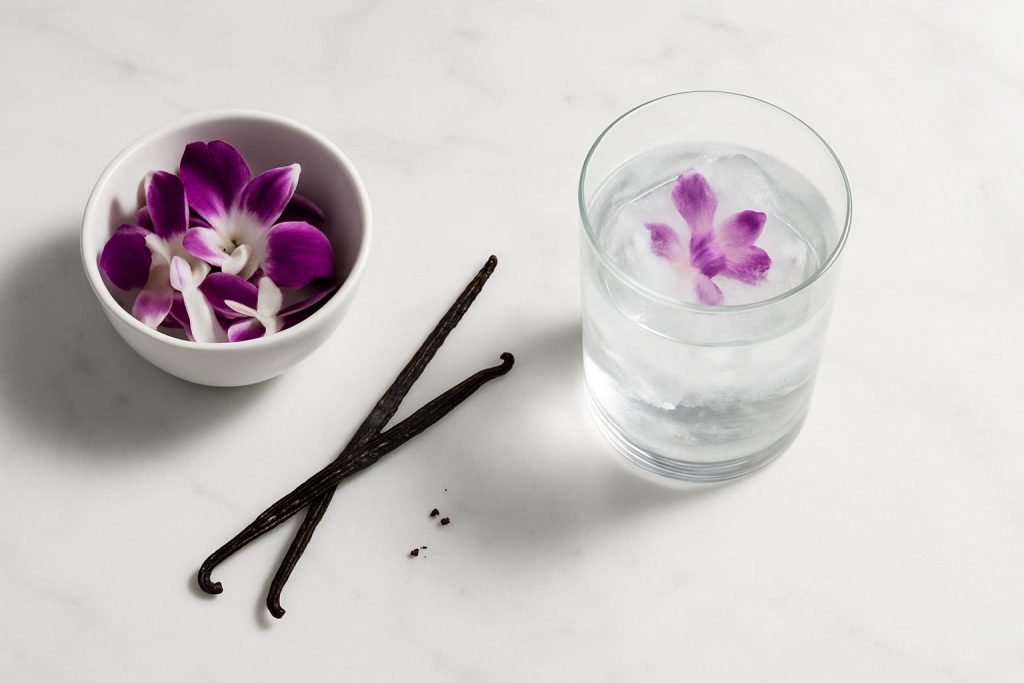
Vanilla planifolia. The vanilla bean is the cured fruit of an orchid. It is safe and widely used.
Dendrobium species. In parts of Asia, edible-grade Dendrobium flowers and stems appear in teas, soups, and as garnishes. Only buy from trusted edible flower suppliers.
Orchis species tubers as salep. Ground dried tubers have been used to make a traditional drink and chewy ice cream. Harvesting wild orchids is often illegal and unsustainable, so only use legally sourced cultivated products.
Many other orchids are not confirmed for food use. When in doubt, do not eat it.
Safety First: When Orchids Are Not Safe
The pesticide problem with florist orchids
Florist and garden-center orchids are grown as ornamental plants. They are often treated with systemic pesticides and fungicides that move into plant tissues and can persist for months. Washing cannot remove systemic chemicals. Never eat petals or any parts from florist orchids or from plants with unknown treatment history.
Foraging and legal issues
Do not forage orchids. Many species are protected. Misidentification is easy, and habitat damage is common. Foraging can also introduce contaminants like heavy metals and pollutants.
Allergies and medical cautions
If you have food allergies, start with a very small amount. Stop if you notice itching, swelling, or stomach upset. If you are pregnant, breastfeeding, on blood sugar medication, or have chronic kidney or liver disease, avoid herbal orchid products and teas unless your clinician confirms safety for you.
Pets and children
Keep edible flowers out of reach of pets and young children until plating. Dogs and cats may chew plants. Non-edible varieties and pesticide residues pose risks.
How To Source Edible Orchids
Buy edible-grade only
Purchase from suppliers who label orchids as edible and grow them for food use. Ask about growing practices. Look for organic or no-spray methods. Choose suppliers that ship refrigerated and pack flowers in food-grade containers.
Avoid supermarket floral departments and craft stores. These are ornamental, not edible.
Grow your own the right way
If you want a homegrown supply, start with plants intended for edible use from day one. Use organic potting media. Use only food-safe pest controls. Do not use systemic pesticides. Keep a log of any treatments. If you ever used systemic products, do not consume that plant.
Labeling and kitchen organization
Set a clear rule in your kitchen. Only containers labeled Edible are allowed on the prep counter. Store edible orchids in a designated box on the top refrigerator shelf to prevent drips or cross-contamination. Date the container and use within 2 to 4 days.
How Do Orchids Taste and Feel
Flavor notes by type
Dendrobium petals. Mild, slightly sweet, cucumber-like. Good as a fresh garnish.
Vanilla bean. Strong, warm, and sweet with many aroma compounds after curing.
Salep products. Earthy and floral, used for thickening and chew in traditional recipes.
Texture and heat
Most edible petals are crisp and water-rich. Heat softens them fast. A quick dip in tempura batter preserves shape for a short time. Long cooking tends to wilt and dull the color. Add petals at the end of hot dishes.
Nutrition basics
Orchid petals are mostly water with trace fiber and micronutrients. They add visual appeal with minimal calories. Vanilla beans add flavor and some antioxidants when used in syrups or infusions.
Prep And Cleaning Workflow
Quick cleaning steps
Wash your hands and clean your sink and board before handling edible flowers.
Rinse flowers gently in cold running water. Do not soak, which can waterlog petals.
Lay on a clean towel and pat dry. Air dry for 5 minutes until surface moisture is gone.
What to remove
Use petals and the full flower on edible species if your supplier confirms the whole blossom is edible. If unsure, remove the central column and any tough green base. Discard bruised or browning petals.
Storage tips and shelf life
Line a shallow container with a dry paper towel. Spread flowers in a single layer. Place another towel on top. Close with a loose lid to allow slight airflow. Store in the refrigerator, not the crisper if humidity is high. Use within 2 to 4 days for best quality.
Ways To Use Orchids In Food And Drinks
Raw uses
Salads. Scatter petals over greens with a light citrus dressing.
Garnish. Place whole edible flowers on cakes, pavlovas, or panna cotta right before serving.
Ice cubes. Freeze single petals or small flowers in distilled water for clear cubes that look clean in drinks.
Hot uses
Tea. Steep edible Dendrobium flowers in hot water for 5 to 7 minutes. Add honey if desired.
Soup and broth. Add a few flowers to hot broth just before serving for a mild floral note.
Tempura. Dip whole edible-grade blossoms in a light batter and fry briefly until crisp.
Sweet uses
Candied petals. Coat with pasteurized egg white or aquafaba, dust with superfine sugar, and dry until crisp.
Syrups. Infuse vanilla beans in simple syrup to flavor coffee, tea, and desserts.
Savory uses
Rice and grain bowls. Toss dry petals through warm rice just before plating.
Spring rolls. Layer petals with herbs and vegetables for color and crunch.
Simple Beginner-Friendly Recipes
Citrus Orchid Salad
Ingredients. 4 cups mixed greens, 1 cup edible Dendrobium petals or small flowers, 1 orange segmented, 1 small cucumber sliced, 2 tablespoons olive oil, 1 tablespoon lemon juice, salt and pepper.
Steps. Whisk olive oil, lemon juice, salt, and pepper. Toss greens and cucumber with dressing. Plate. Add orange segments. Scatter orchids on top. Serve at once.
Candied Orchid Petals
Ingredients. 1 cup edible orchid petals, 1 pasteurized egg white lightly whisked or 3 tablespoons aquafaba, 1 cup superfine sugar.
Steps. Brush each petal lightly with egg white or aquafaba. Dust with sugar on both sides. Place on a rack. Dry at room temperature 12 to 24 hours until crisp, or dry in an oven at 90 to 95 Celsius with the door ajar for 30 to 60 minutes. Store airtight with a silica gel packet up to one week.
Orchid Ice Cubes
Ingredients. Edible small orchid blossoms, distilled water.
Steps. Fill an ice tray one third with water. Freeze until slushy. Place one blossom in each cavity. Top with water. Freeze solid. Pop out and store in a freezer bag. Use in lemonade or clear cocktails.
Simple Dendrobium Tea
Ingredients. 1 tablespoon dried edible Dendrobium flowers or 3 fresh blossoms, 250 ml hot water, optional honey.
Steps. Rinse flowers quickly. Steep in hot water for 5 to 7 minutes. Strain. Sweeten to taste. Drink warm.
Cleaning And Food Safety Tips From A Home Kitchen Perspective
Prevent cross-contamination
Use a clean cutting board and knife only for edible flowers. Do not prep flowers on the same board as raw meat, poultry, or seafood. Wash tools with hot soapy water after use.
Timing matters
Plate orchids at the last minute. They wilt in heat and humidity. Keep them refrigerated until service. Move them from fridge to plate to table quickly.
Safe sweet coatings
Use pasteurized egg whites for candied petals. If avoiding eggs, use aquafaba. Avoid raw unpasteurized eggs in coatings for food safety.
Common Mistakes To Avoid
Using florist orchids
Do not use flowers from bouquets or houseplants bought at garden centers. These are not food safe.
Soaking flowers
Do not soak petals. They absorb water, lose texture, and spoil faster.
Storing wet
Do not seal wet flowers in airtight containers. Moisture causes rot. Always dry before storing and allow minimal airflow.
Cooking too long
Do not simmer petals for long periods. Add near the end to protect color and texture.
Sustainability And Ethics
Choose cultivated sources
Buy from growers who cultivate orchids for edible use. Support farms that avoid wild harvesting. Ask suppliers about growing practices and certification.
Salep considerations
Traditional salep relies on wild orchid tubers in some regions. This has reduced wild populations. Many countries restrict export of true salep. If you want the flavor or texture, choose ethically produced alternatives or modern stabilizers and buy from legal, cultivated sources if available.
Quick Checks And FAQs
Can you eat any orchid. No. Only eat confirmed edible species from edible-grade sources.
Are Phalaenopsis petals safe. Do not assume they are safe. Many reports are anecdotal. Use only edible-grade orchids labeled for consumption.
Can I eat my houseplant orchid if I have never sprayed it. No. It may have been treated before purchase with systemic products. Treatment history is unknown.
Do you need to remove the center of the flower. If unsure, use petals only and remove the central column and tough base.
How long do edible orchids last. 2 to 4 days refrigerated, dried and candied petals last longer.
Do orchids add nutrition. Mostly water and trace nutrients. They add beauty and mild flavor more than calories.
Step By Step Kitchen Workflow You Can Repeat
Before shopping
Decide how you will use orchids. Choose one cold dish and one drink. Plan to plate on the same day you buy them.
Buying
Order edible-grade orchids from a trusted supplier. Request overnight shipping with cold packs. Confirm no systemic pesticides.
Receiving and storing
Inspect for freshness. Remove any wilted pieces. Line a container with a dry towel. Layer flowers gently. Label with the date. Refrigerate at 1 to 4 Celsius.
Prep day
Clean tools and surfaces. Rinse and dry flowers. Prepare your dish. Add orchids last. Serve immediately.
Taste Pairing Ideas That Work
With citrus and herbs
Pair petals with lemon, orange, mint, or basil. The acid and aroma lift the mild floral notes.
With creamy bases
Garnish panna cotta, cheesecake, or coconut puddings. The contrast makes colors stand out and keeps texture fresh.
With light proteins
Add at service to poached shrimp, steamed fish, or tofu bowls. Do not cook the petals in the pan.
Troubleshooting
Petals look bruised
Cause. Too much handling or waterlogging. Fix. Handle by the base, rinse briefly, pat dry, and store with airflow.
Flowers turned brown in the fridge
Cause. Excess moisture and cold damage. Fix. Dry thoroughly before storing. Use a towel liner. Store away from the coldest airflow.
No flavor
Cause. Expect mild taste. Fix. Use them for texture and color, and rely on dressings, herbs, and citrus for flavor balance.
Budget And Planning Tips
Buy only what you will plate
Plan servings. Expect 1 to 2 small flowers or 6 to 8 petals per plate. Leftovers lose quality fast.
Stretch with mixed garnishes
Combine orchids with mint sprigs, citrus zest, and seasonal berries. You will use fewer flowers without losing impact.
Use vanilla efficiently
Split the pod, scrape seeds, and use the pod to make syrup or vanilla sugar. Store used pods in sugar to extract more aroma.
When To Skip Orchids
Unverified source
If you cannot confirm food-safe growing, skip them.
Severe allergies or sensitive guests
If anyone has a history of severe food allergies or unknown triggers, avoid edible flowers for that event.
High temperature service
If the dish must stay hot for long, choose a different garnish that holds up to heat.
Conclusion
You can eat orchids safely if you choose the right species and the right source. Vanilla beans are widely used and safe. Edible-grade Dendrobium flowers and legally sourced salep products appear in traditional cuisines. Do not use florist orchids or any plant with unknown treatment. Keep a clean prep setup, rinse gently, dry well, and store cold with airflow. Add petals at the end for best color and texture. Start with a simple salad and ice cubes, then try candied petals. Follow these steps and you bring orchids to the table safely, beautifully, and with confidence.